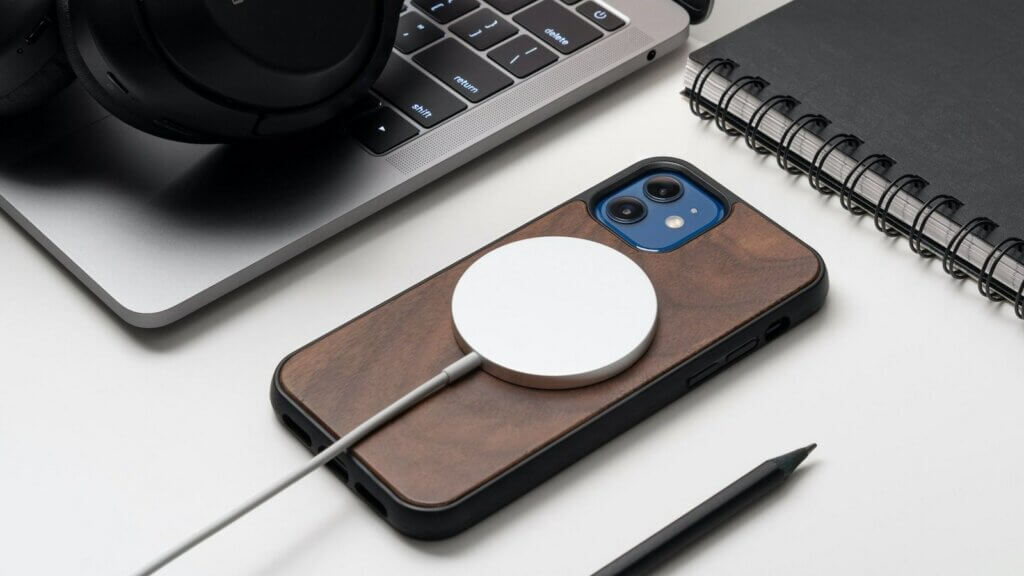
Do Magsafe Cases Work With Wireless Charging

Hey, you! Let's talk MagSafe and wireless charging, shall we? Ever wonder if your super-snazzy MagSafe case actually works with wireless chargers? Like, does it really deliver the goods? Or is it just another marketing gimmick designed to steal our precious dollars? Don't worry, we've all been there.
So, the burning question: Do MagSafe cases work with wireless charging? The short answer? Usually, yes. But, as always, there's a "but" bigger than my pile of laundry. Let's dive in!
The Magic of MagSafe (and Magnets!)
MagSafe, you see, uses magnets. Pretty simple, right? These magnets in your iPhone and the case (if it’s a MagSafe case, that is!) perfectly align your phone with a compatible wireless charger. No more guessing if you’ve hit the sweet spot! Remember the days of waking up to a phone at 12% because it wasn't quite centered on the charging pad? Ugh, the horror!
Must Read
That magnetic connection also allows for faster wireless charging compared to standard Qi wireless charging. Think of it like this: the magnets ensure a super-efficient power transfer. It's like a tiny, perfectly orchestrated dance between your phone and the charger. A dance of power! Okay, maybe I’m getting carried away…
Case Closed (Maybe?)
Here's where things get a little bit nuanced. Not all cases are created equal. Shocking, I know! A super-thick, non-MagSafe case? Yeah, that's probably going to block the wireless charging signal like a brick wall. Don't even bother trying, you'll just be disappointed.
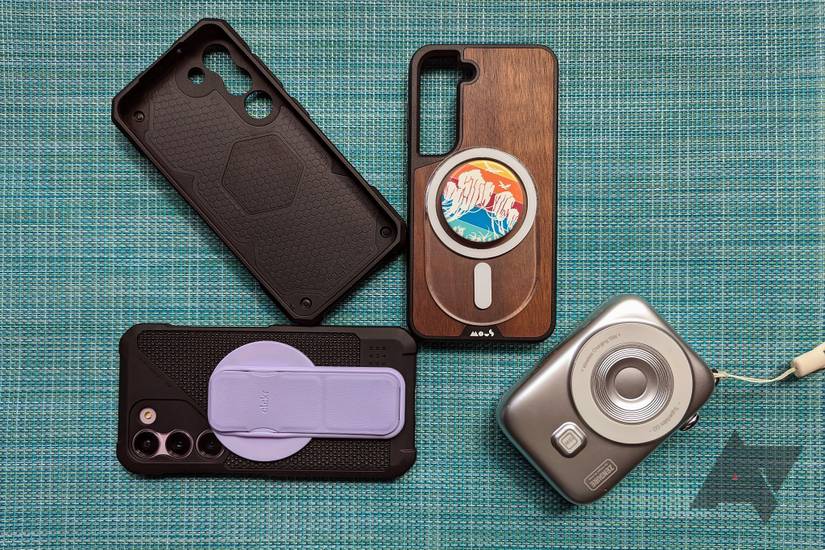
But a MagSafe case? Well, the magic is in the magnets, remember? They're designed to work with wireless chargers. Most quality MagSafe cases have a built-in magnetic ring that allows the charging signal to pass through. Hallelujah!
However, and this is a big however, the quality of the case matters. A cheap, poorly made MagSafe case might have weak magnets, or the materials could interfere with the charging process. You get what you pay for, folks! So, invest in a reputable brand to avoid wireless charging woes.

Things to Consider (Because Life Isn’t Always Easy)
Okay, so you've got a fancy MagSafe case. Great! But before you start celebrating, keep these things in mind:
- The Charger Matters: Not all wireless chargers are created equal either! Make sure your charger is compatible with MagSafe and supports the charging speed your iPhone needs. A wimpy charger won't give you that super-fast charging goodness.
- The Case Thickness: Even with MagSafe, a super-thick case could still impede charging. If your phone is getting unusually hot or charging very slowly, try removing the case to see if it makes a difference.
- Foreign Objects: Metal objects between your phone and the charger? Bad news! They can block the charging signal and even damage your charger. So, clear the area!
So, Does it Really Work?
Alright, let's recap. MagSafe cases generally work with wireless charging. But the devil is in the details. The quality of the case, the charger, and even the thickness of the case can all affect the charging process.

To maximize your chances of wireless charging success:
- Invest in a high-quality MagSafe case from a reputable brand.
- Use a MagSafe-compatible wireless charger.
- Avoid super-thick cases.
- Keep your charging area clear of metal objects.
Following these tips will hopefully ensure a smooth and efficient wireless charging experience. Now go forth and charge wirelessly, my friend! And if all else fails, there's always the trusty Lightning cable. But where's the fun in that?
Happy charging!