Do Led Lights Use Less Energy
Ever found yourself staring at your electricity bill, wondering how it got quite so hefty? Or perhaps you've heard friends chatting about "going LED" and saving a bundle. Well, you're not alone! The topic of whether LED lights actually use less energy is not just a dry technical fact; it's a fun, relatable conversation that touches on our wallets, our homes, and even our planet. It's popular because everyone uses lights, and everyone loves saving money and being a bit kinder to the environment. Understanding LEDs is like unlocking a little secret to a more efficient and brighter home, without needing a degree in electrical engineering!
So, who can benefit from diving into this topic? Pretty much everyone! For beginners, understanding LEDs is a fantastic first step into the world of energy efficiency. It's an easy win that delivers noticeable results. For families, the benefits are even clearer: imagine fewer trips to the store for replacement bulbs and, most importantly, a noticeably smaller electricity bill each month. Plus, LEDs run cooler, which can be a relief in the summer and a safety bonus around little hands. For the slightly more tech-savvy or hobbyists, exploring LEDs opens up a world of smart lighting, customizable colors, and dimming options that can transform any space into a personalized haven. It’s about more than just light; it’s about creating an atmosphere.
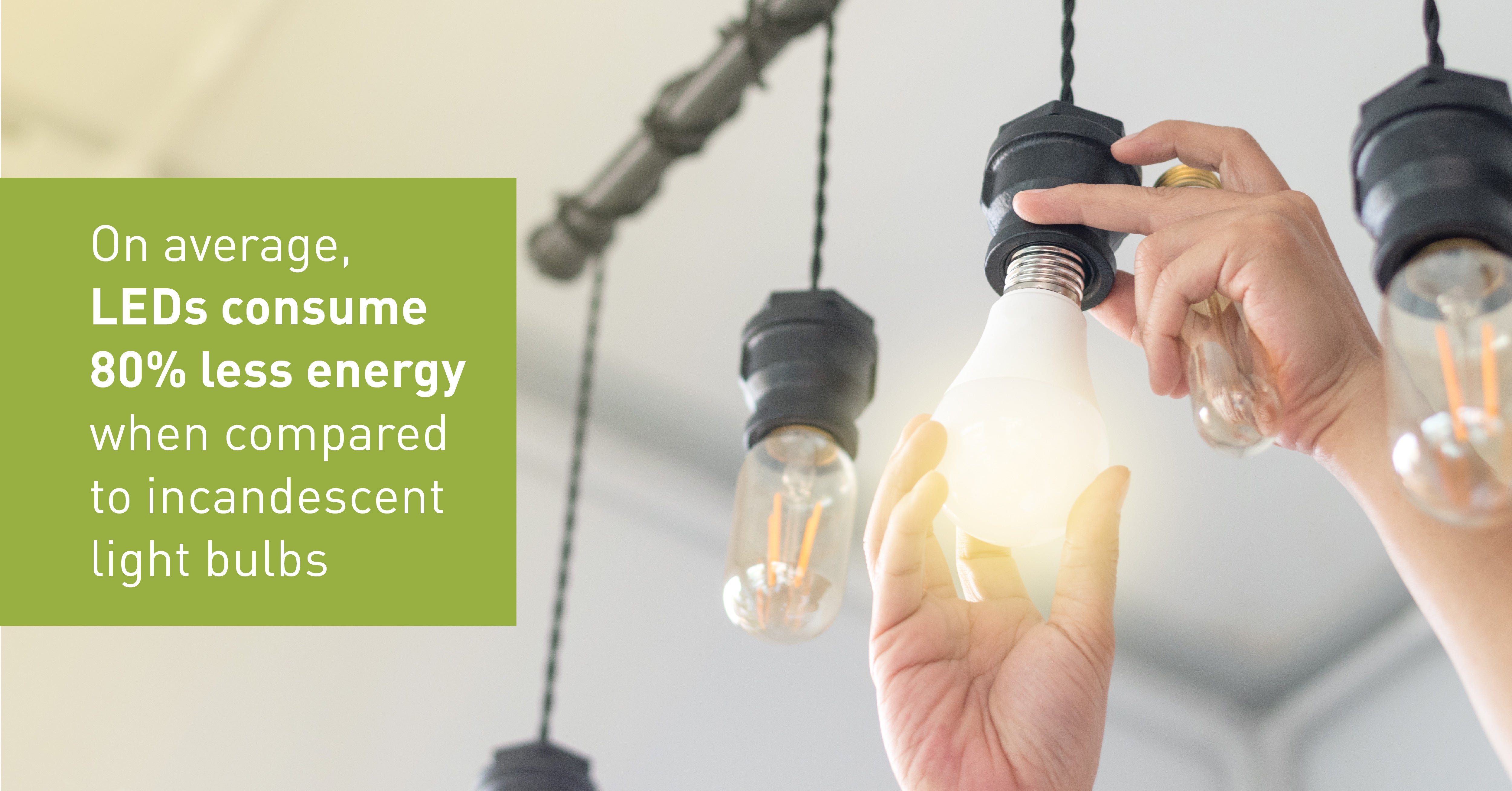
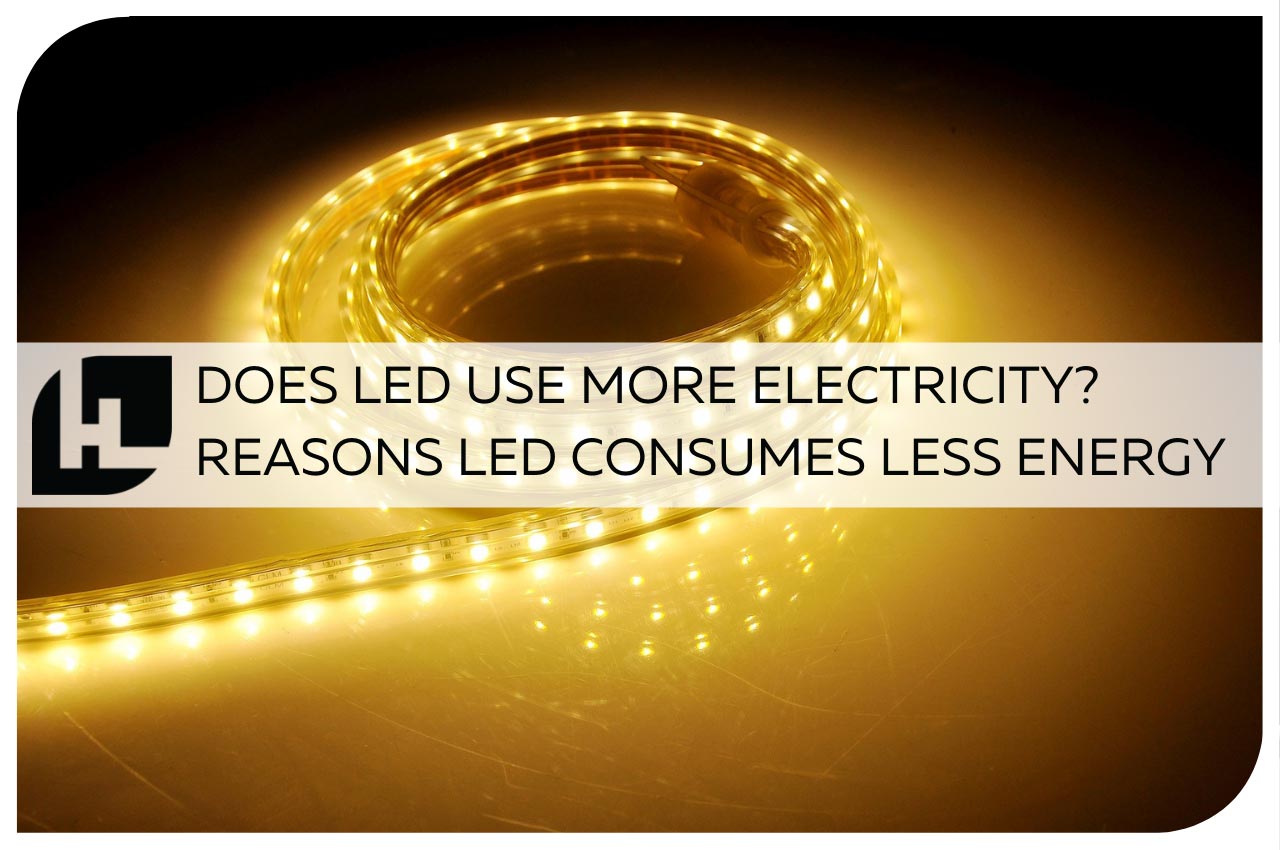
When we talk about LEDs using less energy, we're really talking about a significant difference. Traditional incandescent bulbs waste a lot of energy producing heat, not light. LEDs, on the other hand, are incredibly efficient. For instance, a typical 60-watt incandescent bulb can be replaced with an LED that uses only 8-12 watts, while producing the same amount of light (measured in lumens). That's a huge reduction! This applies to all sorts of lights in your home: from the standard A19 bulbs in your lamps, to recessed ceiling lights, under-cabinet strip lighting, and even decorative string lights. You can find LED versions for almost every lighting need, including smart bulbs that you can control with your phone or voice assistant, adding both efficiency and convenience.
Must Read
Ready to get started and reap the benefits? It’s super simple! Here are some practical tips: First, don't feel like you have to replace every bulb at once. Start with the lights you use most often and for the longest periods – perhaps in your living room or kitchen. Second, when buying, remember to look at lumens (how bright the light is), not just watts (how much energy it uses). An 800-lumen LED is roughly equivalent to a 60-watt incandescent. Third, consider the color temperature, usually measured in Kelvin (K). Lower numbers (2700K-3000K) give a warm, yellow light, while higher numbers (4000K-5000K) produce a cooler, whiter light. Choose what suits your preference and the room's function. Finally, don't forget your outdoor lighting! Replacing those can lead to even bigger savings.
Ultimately, the answer is a resounding yes, LED lights use significantly less energy, and understanding this simple fact offers immense value. Making the switch is one of the easiest and most impactful ways to save money, reduce your carbon footprint, and enjoy better, longer-lasting light in your home. It’s a smart choice that brings tangible enjoyment and value into everyday life.