Do Led Light Bulbs Save Energy

Have you ever stopped to ponder the humble light bulb? It's something we use countless times a day, often without a second thought, until it burns out. But in recent years, a new kind of glow has taken over our homes and cities: the LED. You see them everywhere, from your smartphone screen to streetlights, and undoubtedly, you've heard the buzz about them saving energy. But here's the fun question: do LED light bulbs really save energy, or is it just clever marketing?
Exploring this isn't just about saving a few bucks; it's about understanding a quiet revolution in how we light our world, and how that impacts our wallets and our planet. It’s a wonderfully accessible dive into practical physics and environmental consciousness, right in your living room!
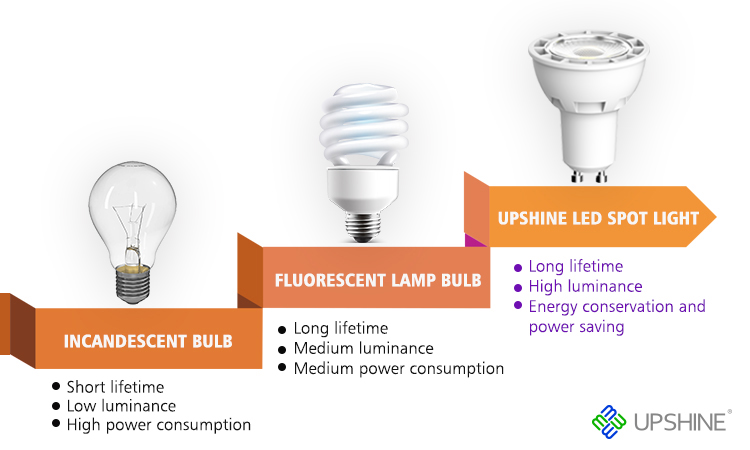
So, what’s the big idea behind LEDs? Their primary purpose is, of course, to illuminate, but they do it with remarkable efficiency. Unlike old incandescent bulbs that generate light by heating a filament until it glows (wasting a huge amount of energy as heat!), LEDs – which stands for Light Emitting Diodes – produce light through the movement of electrons in a semiconductor material. This process is far more efficient, meaning less energy is converted into heat and more into actual light. The benefits are numerous: they consume significantly less electricity, they last an incredibly long time (often tens of thousands of hours), and they are far more durable, as they don't have fragile filaments or glass components prone to shattering.
Must Read
The applications are everywhere, making them excellent examples for both daily life and even education. In our homes, replacing traditional bulbs with LEDs is one of the easiest ways to see an immediate impact on your electricity bill. Think about those often-forgotten basement lights, or the outdoor security lights that run for hours – switching those to LED can yield substantial savings. In schools, LEDs aren't just lighting classrooms; they’re central to STEM projects where students build simple circuits, experiment with different colors, or learn about the electromagnetic spectrum. Even traffic lights and car headlights have embraced LED technology for its reliability and energy efficiency, offering brighter, clearer, and safer illumination while drawing less power.
Want to explore this for yourself? It's delightfully simple! Start by taking a look at the light bulbs you currently have. Many older bulbs will list their wattage (e.g., "60W"), which indicates how much power they consume. Now, when you buy an LED replacement, you'll notice it will also have a wattage (e.g., "9W") but it will also state its lumens, which is the measure of brightness. An LED bulb that produces 800 lumens might only use 9 watts, while an old incandescent needed 60 watts for the same brightness! That's a massive energy saving right there! Try replacing just one frequently used bulb with an LED and keep an eye on your next electricity bill. You can also experiment with different "color temperatures" – from warm, cozy yellows to crisp, cool whites – to see how they change the feel of a room. It’s a tiny step with a surprisingly big impact, both for your home and the wider world.