
Do I Need An Electrician To Replace A Thermostat

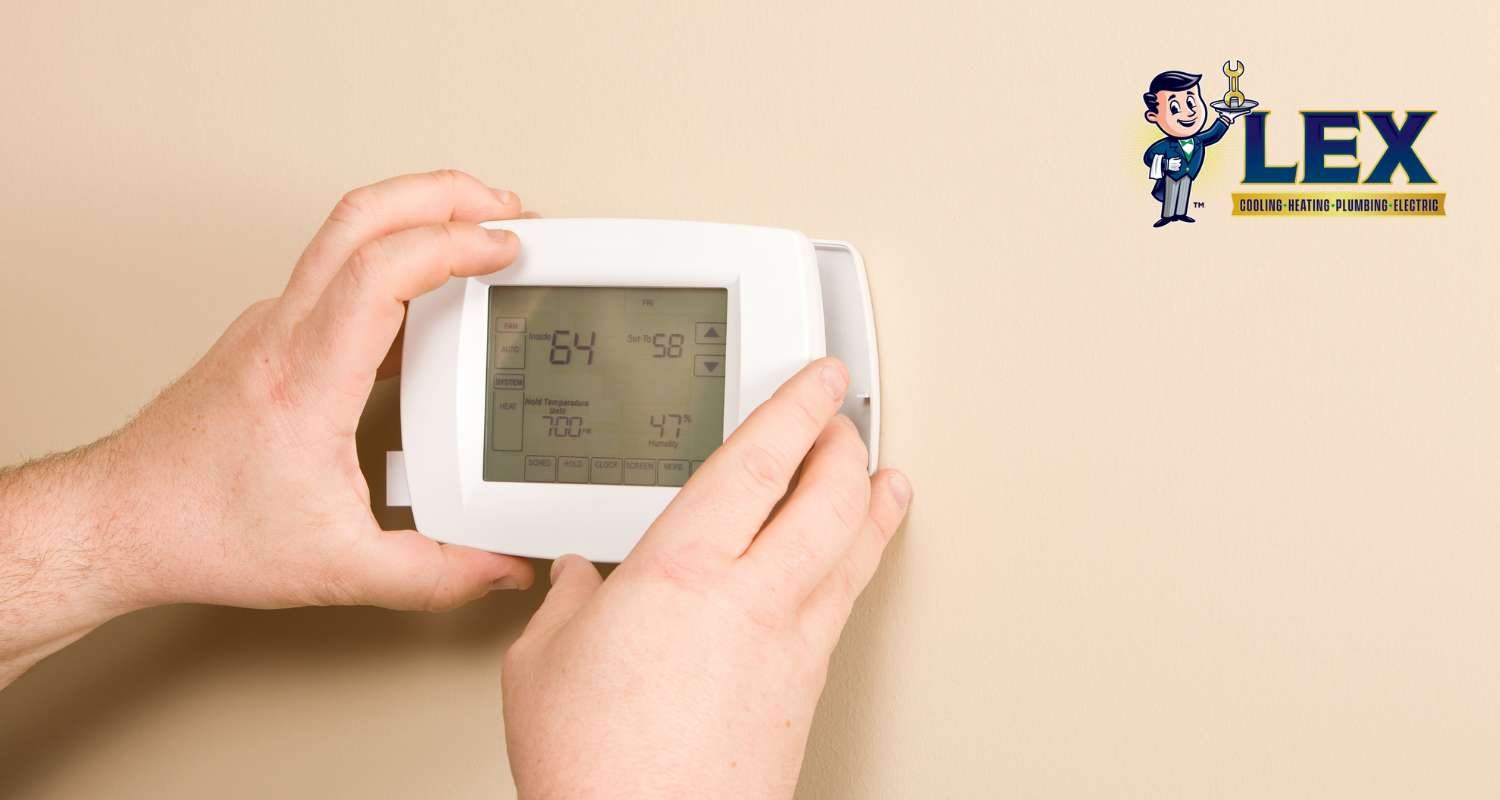
Okay, so you're staring at your thermostat, right? That little plastic box that's supposed to be the conductor of your home's internal temperature orchestra. But lately, it's been playing the wrong tune. Maybe it's stuck in arctic mode, even in July. Or perhaps it’s decided your home should perpetually mimic the surface of the sun. Either way, you're thinking, "Can I just swap this thing out myself?"
The short, slightly terrifying answer is: maybe. But let’s unpack that like a clown car full of technical jargon. We'll see if you are the ringmaster or one of the honking clowns.
The "Honey, I Shrunk the Voltage" Scenario
First, a surprisingly relevant historical fact: Did you know the word "electricity" comes from the Greek word for amber? True story! Thales of Miletus discovered static electricity by rubbing amber. Now, I'm not suggesting you rub your thermostat with amber (please don’t), but knowing the origins of electricity does make you sound smarter at parties, right?
Must Read
Anyway, back to the thermostat. The key question is: what kind of thermostat are we talking about? If it's an old-school, non-programmable thermostat with simple wires, you're probably in the "DIY hero" zone. These usually run on low voltage – think AA battery low, not "fry an egg on a sidewalk" low. We're talking 24 volts, usually. Less shocking than your mother-in-law's opinions. However, don't go poking around without turning off the power first. It's like poking a sleeping bear – you might wake it up, and it won't be happy.
The "High Voltage Hair-Raising" Horror Show
Now, if you're dealing with a high-voltage thermostat (120V or 240V), often used for electric baseboard heaters, think again. Seriously. Think long and hard. Then call an electrician. These things can deliver a jolt that’ll not only straighten your hair but possibly rewrite your DNA. We're talking "Thor's hammer" levels of ouch.

How do you tell the difference? Check the thermostat itself. It should have a voltage rating printed somewhere on the back or inside. If you see 120V or 240V, step away from the thermostat. Slowly. No sudden movements. And definitely no amber rubbing.
Even if it looks like a low-voltage system, if you're unsure, call an electrician. It’s cheaper than a trip to the emergency room. Trust me, ER bills make replacing a thermostat look like pocket change. Plus, an electrician will make sure everything's up to code, so you don’t accidentally burn down your house. That would be a real conversation starter at the next neighborhood barbecue, but not in a good way.
The "Color-Coded Confusion" Conundrum
Okay, let’s say you’re feeling brave (or foolish, depending on your perspective) and you’ve confirmed it’s a low-voltage system. Now comes the fun part: wiring. This is where things can get tricky. Wires are color-coded, and those colors are supposed to match up. But sometimes, previous owners (bless their hearts) decided to get creative with their wiring. Or maybe they were colorblind. Who knows?
Before you disconnect anything, take a picture! Lots of pictures! From different angles! Pretend you’re a paparazzi snapping photos of a celebrity thermostat. This will be your cheat sheet when you're trying to figure out where each wire goes on the new thermostat.
Ideally, the wires will be labeled with letters (R, W, Y, G, etc.). These letters correspond to specific functions (red for power, white for heat, yellow for cooling, green for fan, etc.). Your new thermostat will have matching terminals. Just connect the wires according to the labels.

But what if the wires aren’t labeled? Or what if the colors don’t match the expected functions? This is where you might need to consult the instruction manual (yes, read it!), or even better, Google is your friend. Search for wiring diagrams specific to your thermostat model. There are tons of helpful resources online.
The "Digital Delights (and Disasters)" Dilemma
Modern thermostats are often digital and programmable. These can be a bit more complicated to install, especially if they require a common wire (C-wire). The C-wire provides continuous power to the thermostat, which is necessary for some advanced features. If your old thermostat didn't have a C-wire, you might need to run a new wire from your furnace or air conditioner. This is generally a job for an electrician, unless you're really confident in your wiring skills.
The "When in Doubt, Call the Pros" Proclamation
Look, I'm all for DIY projects. There's a certain satisfaction in fixing things yourself. But when it comes to electricity, it's better to be safe than sorry. If you're uncomfortable working with wires, or if you're not sure what you're doing, call an electrician. It's a small price to pay for peace of mind (and avoiding electrocution).
Plus, you can tell your friends you hired a professional to install your thermostat. It makes you sound fancy. And who doesn't want to sound fancy?
So, there you have it. Replacing a thermostat can be a simple DIY project, or it can be a recipe for disaster. Just remember to take your time, be careful, and when in doubt, call a professional. And maybe keep a chunk of amber handy, just in case you need to impress someone with your knowledge of ancient Greek electricity experiments.