
Do I Need An Adapter Or Converter For Europe

So, you're jetting off to Europe? Lucky you! Cobblestone streets, amazing food, and... wait a second... electric outlets. Ugh. Let's talk about whether you need an adapter or converter for your trip. It's honestly less scary than figuring out the Paris Metro at rush hour (been there, done that, bought the overly-priced souvenir t-shirt).
First things first: What are we even talking about? An adapter? A converter? Are they the same thing? Nope! And using the wrong one can, at best, leave you with a useless device. At worst? Well, let's just say sparks aren't ideal on vacation. Or ever, really.
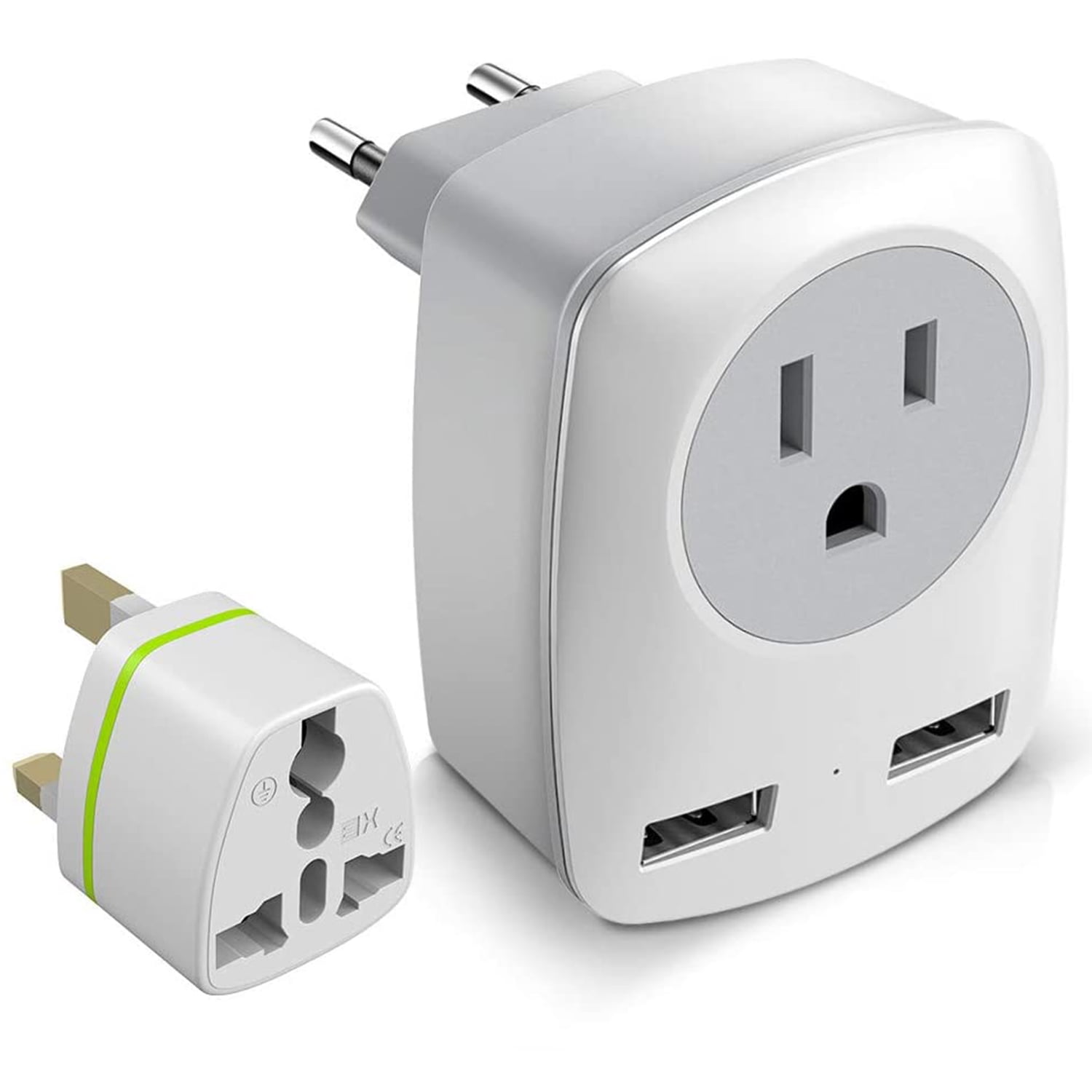
Adapters: The "Shape Shifters"
Think of adapters like tiny translators for your plugs. They only change the shape of the plug so it fits into the European outlet. That's it. No voltage transformation happening here. They're like those universal remotes that only sometimes work. You know the ones!
Must Read
Europe (most of it, anyway – looking at you, Switzerland!) uses a plug type that's different from North America, Australia, or the UK. So, if your hairdryer has flat prongs and Europe has round ones, you need an adapter. Easy peasy, right? Just make sure you get the correct type (Type C, E, or F are the most common). You can usually find a multi-adapter that covers all bases. Just a heads-up!
But! (And this is a BIG but) Adapters don't magically change the voltage. Which brings us to…
Converters: The "Voltage Vigilantes"
Converters, on the other hand, are like power brokers. They actually change the voltage. North America uses 110-120V. Europe generally uses 220-240V. That’s a pretty significant difference. Imagine trying to run your delicate phone charger on double the voltage! Poof!
Converters are usually bigger, bulkier, and more expensive than adapters. They're basically the bodyguards of your electronics. They step in and say, "Hey, Europe, play nice! We're lowering the voltage so this little guy doesn't get fried."

Do you need a converter? That depends on your devices! Look at the fine print on the power supply (the brick part of your charger). You should see something that says "Input: 100-240V." If it says that, your device is dual voltage and you're good to go with just an adapter! Woohoo!
If it only says "110-120V," then you need a converter. But honestly? In this day and age, most electronics (phones, laptops, tablets, cameras) are dual voltage. Manufacturers are smart like that.

So, What Do I Need? (The Cheat Sheet)
- Check your device's voltage! This is the golden rule. Seriously.
- Dual voltage (100-240V): Just an adapter! Celebrate with a croissant!
- Single voltage (110-120V): You need a converter. Or consider buying a dual-voltage version of the device before you go. Cheaper in the long run, probably.
- Hairdryers, curling irons, etc.: These are often not dual voltage. Check carefully! Travel-sized, dual-voltage versions are lifesavers (and space savers!)
Pro Tip: If you're staying in hotels, they often have USB charging ports built in. Score! Less to worry about.
Another Pro Tip: Don't cheap out on adapters/converters. Get a reputable brand. You don't want to set your hotel room on fire. Trust me, I’ve seen it happen (okay, not literally seen it, but I’ve heard the horror stories).
Final thought: When in doubt, err on the side of caution. It’s better to be safe than sorry (and stuck with a dead phone halfway through your trip!). Enjoy Europe! And may your outlets always be compatible!
