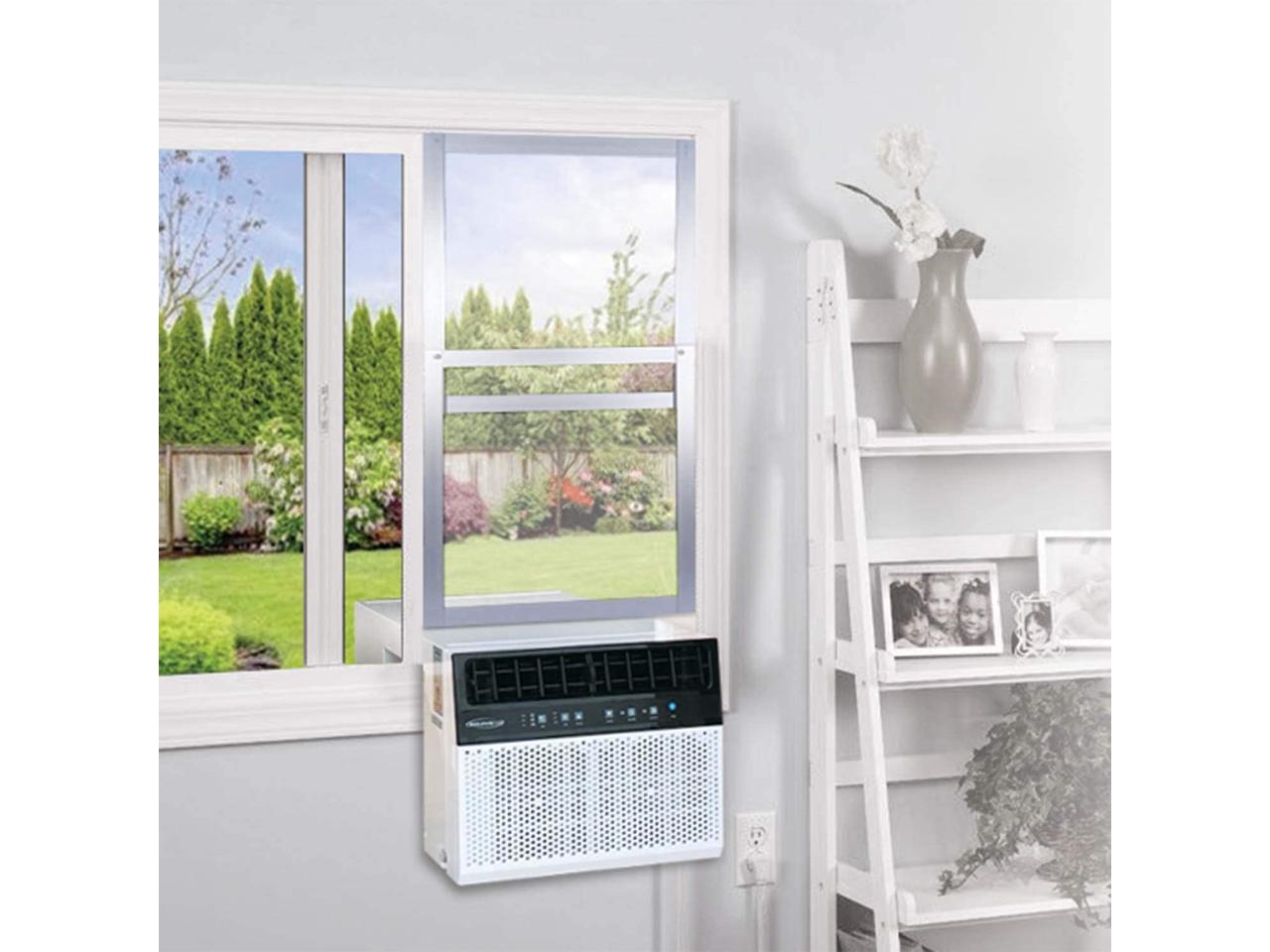
Do I Need A Window For Portable Air Conditioners
The summer heat is on, and you're dreaming of cool breezes and icy drinks. Maybe you've even considered a portable air conditioner. Smart move! These little wonders can be lifesavers, offering targeted cooling wherever you need it. But then the question pops up: Do I really need a window for a portable AC? Let's unpack this.
The Hot Air Issue: It's Basic Physics
Think of a portable AC like a diligent worker. It takes the hot air from your room, cools it down, and then... well, then what? That extracted heat has to go somewhere. This is where the window comes in.
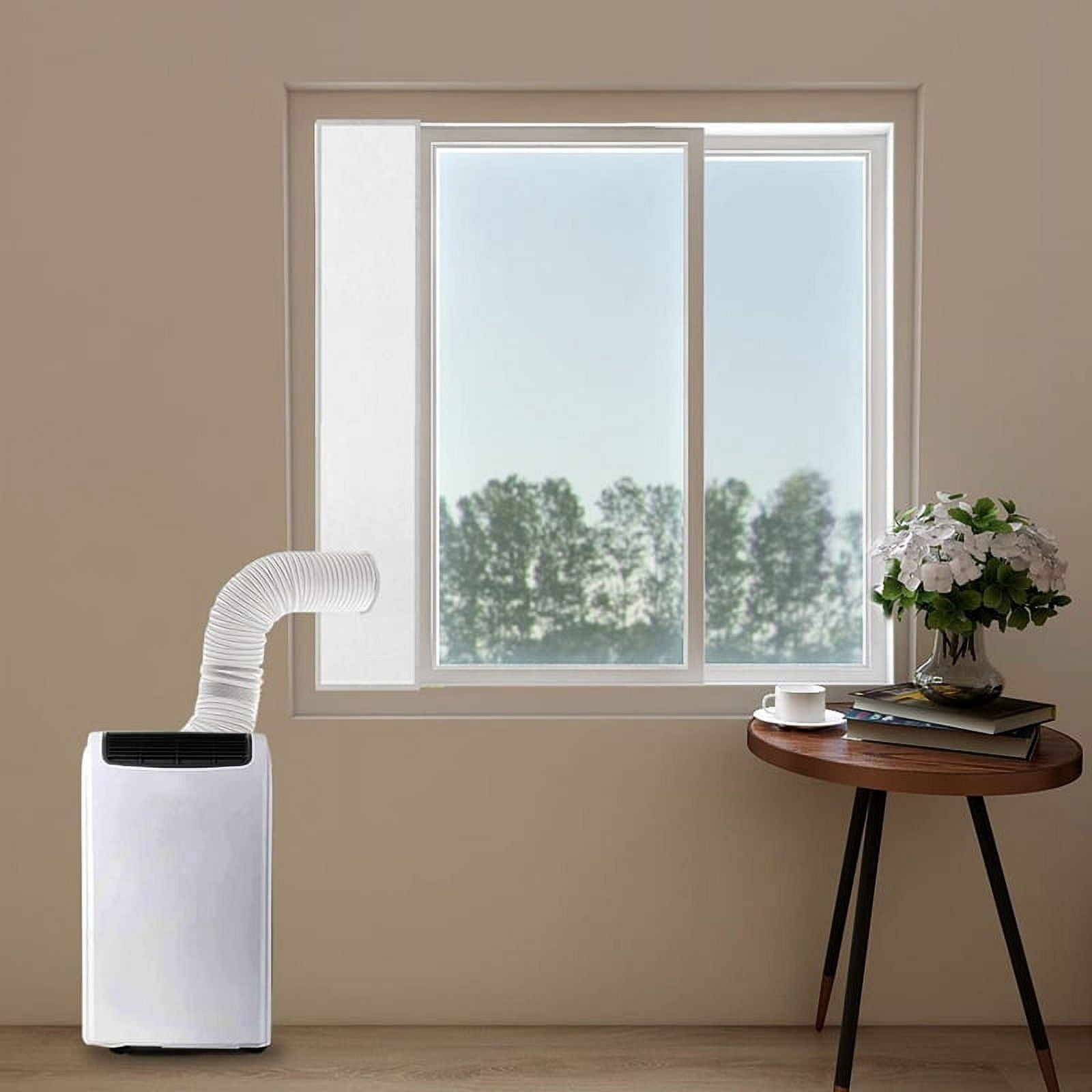
Most portable air conditioners have an exhaust hose – a big, flexible tube that vents the hot air outside. Without this venting, you'd just be cooling the air and then immediately reheating it. It's like trying to empty a bathtub with the tap running full blast. Not exactly efficient, is it?
Must Read
This venting usually involves a window kit: a panel that fits into your window opening and has a hole for the exhaust hose. It’s designed to keep the hot outside air out and the hot air from the AC in. This, dear reader, is why the window is crucial. Think of it as your AC's escape route to freedom from the tyranny of thermodynamics!
Windowless Wonders (Or Are They?)
Now, you might be thinking, "But I've seen windowless portable ACs!" Well, hold on. What you're likely seeing are actually evaporative coolers, also known as swamp coolers. They work on a different principle: evaporation.

Evaporative coolers use water to cool the air. They're more effective in dry climates because the evaporation process adds moisture to the air, creating a cooling effect. However, they don't actually remove heat from the room like a true AC does. They're more like a powerful, sophisticated fan. Plus, they can make a humid environment even stickier. So, know the difference! It's like confusing a Vespa with a Ferrari – both are Italian, but they offer vastly different experiences.
Alternatives and Hacks (Proceed with Caution!)
Okay, so you absolutely need to vent your portable AC's exhaust hose. But what if you really don't want to use a window? Here are a few (less ideal) alternatives:

- Wall or Door Venting: You can create a vent in a wall or door. This requires more work and might need professional installation, but it's a more permanent solution. Think of it as going full DIY – like the time you tried to build a bookshelf from scratch. (Hopefully, this project will be more successful!)
- Sliding Glass Door Kit: If you have a sliding glass door, you can find specialized kits designed to accommodate the exhaust hose.
- The "Improvised" Solution (Use with Caution): Some people try venting the hose into a drop ceiling or another room. This is not recommended. You're just moving the hot air around, not removing it, and could potentially damage your ceiling or create moisture problems. It’s like trying to hide the mess instead of cleaning it up – eventually, it’ll catch up with you.
Remember: Proper ventilation is key for efficient cooling and preventing moisture buildup. Shortcuts might seem tempting, but they can lead to bigger problems down the road.
Practical Tips for Window Venting
Here are some tips to maximize the efficiency of your window-vented portable AC:
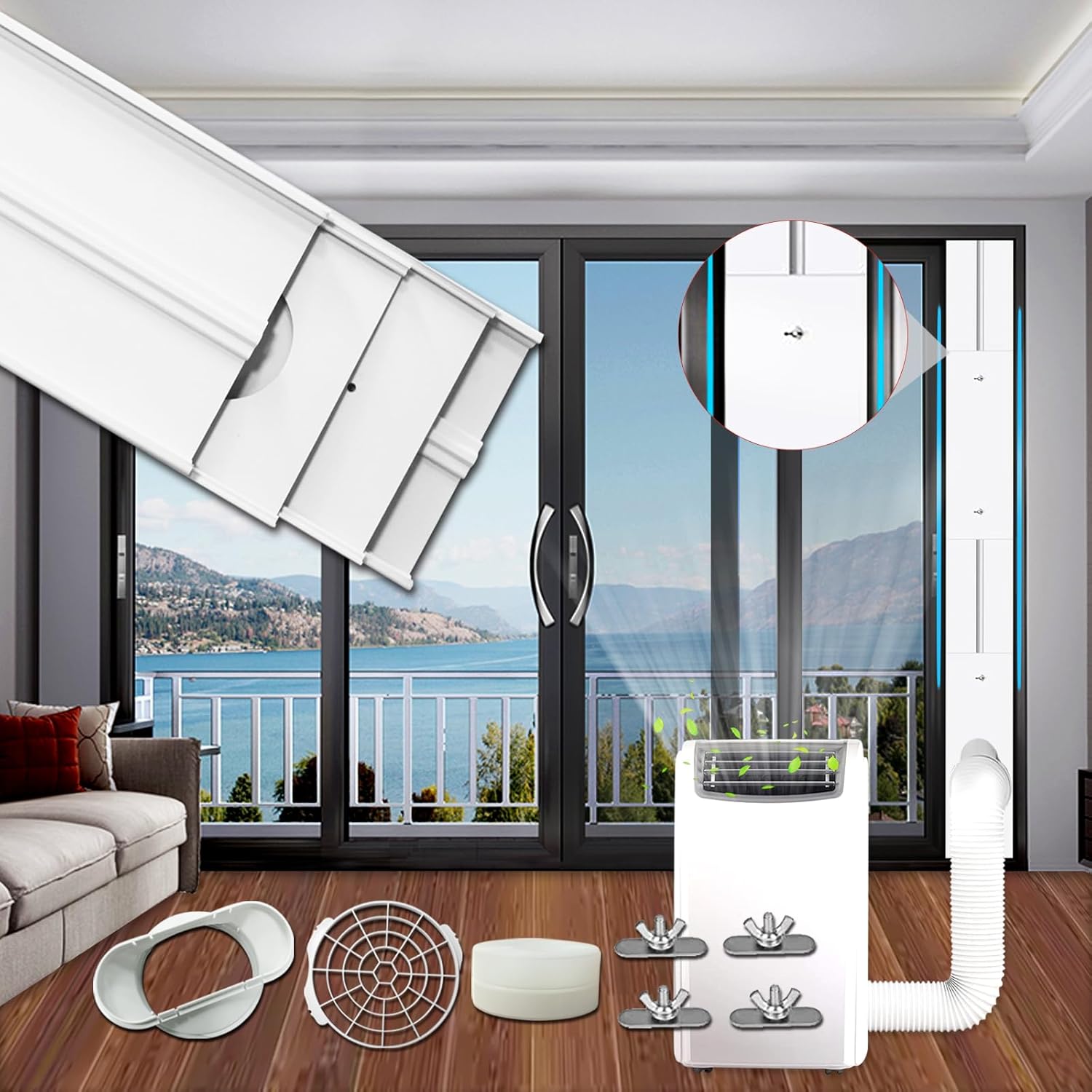
- Seal the Window Kit Properly: Use weather stripping or foam to seal any gaps around the window kit. This prevents hot air from leaking back into the room.
- Insulate the Exhaust Hose: The exhaust hose itself can radiate heat. Insulating it with a reflective material can help reduce this heat output.
- Close Doors and Windows: Keep the area you're cooling as isolated as possible. Close doors and windows to prevent hot air from seeping in.
- Consider Curtains or Blinds: During the hottest part of the day, close curtains or blinds to block direct sunlight, which can help reduce the load on your AC.
The Bigger Picture
Investing in a portable AC isn't just about escaping the heat; it's about creating a more comfortable and productive environment. It’s about making your home or office a haven where you can focus, relax, and thrive. It's about improving your overall well-being. And while the window is just one piece of the puzzle, it's a pretty crucial one. Think of it as the unsung hero of your summer cooling strategy.
In the grand scheme of things, the need for a window (or a suitable alternative) highlights a fundamental truth: everything is connected. Even something as simple as cooling a room requires understanding the principles of physics and considering the impact of our choices. It's a reminder that small details, when thoughtfully addressed, can make a big difference in our daily lives. So, vent wisely, stay cool, and enjoy the summer!