Do I Have To Pay An Estimated Electric Bill

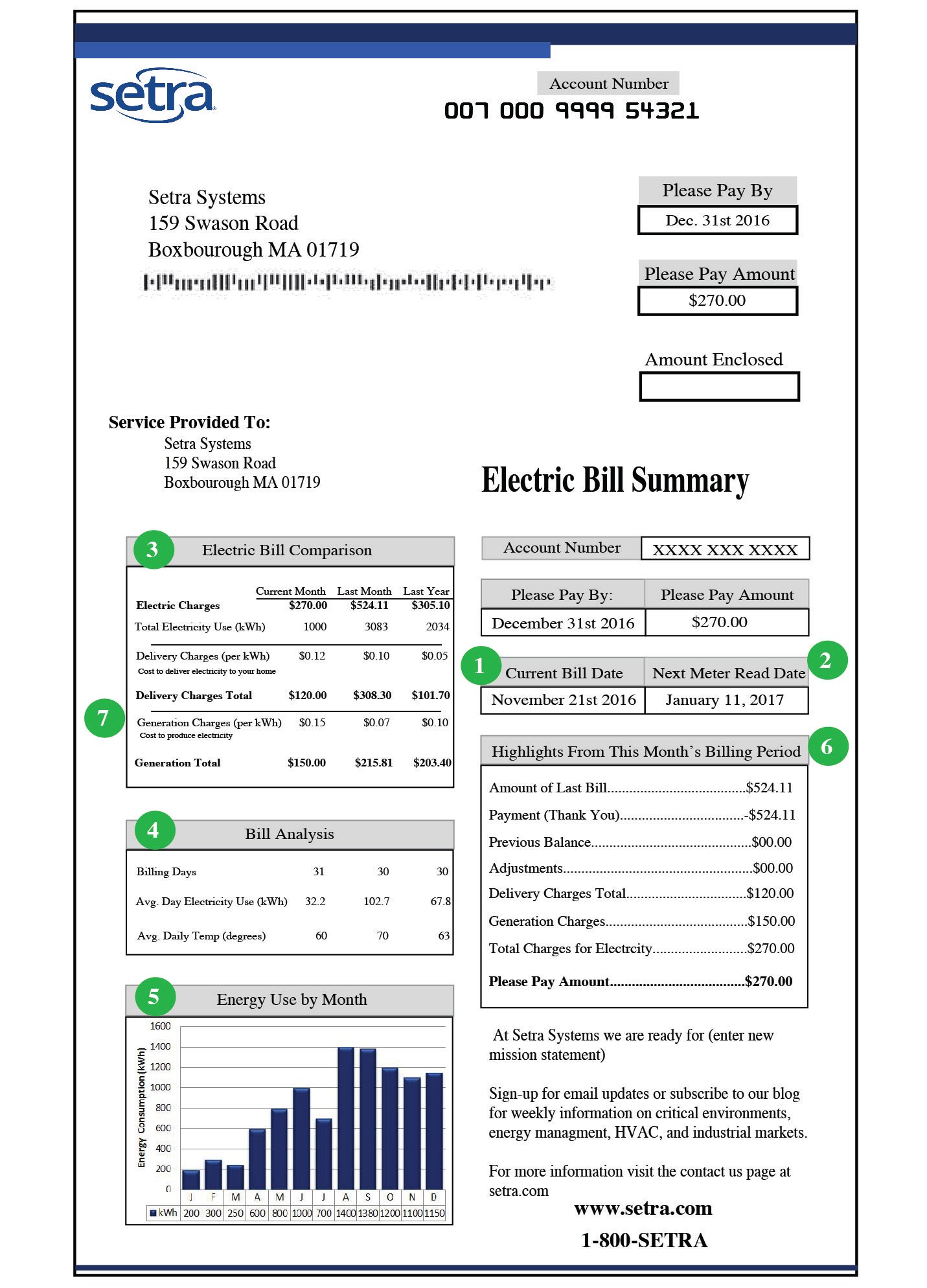
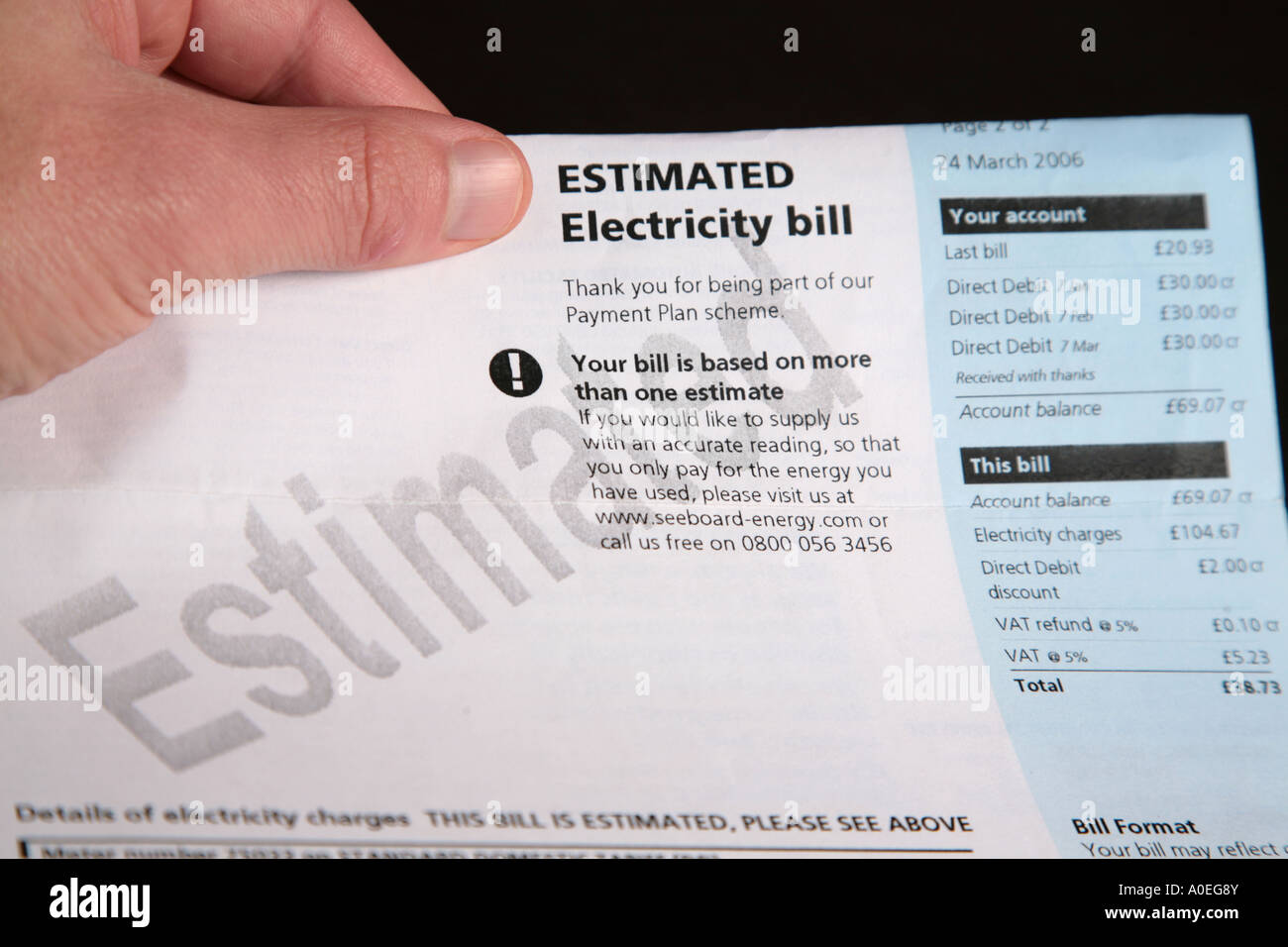
Ever stared at your electric bill and felt a pang of confusion, maybe even a little frustration, when you saw the words "Estimated Reading"? You're not alone! Understanding estimated electric bills is one of those everyday mysteries that, once solved, can save you money and a whole lot of hassle. Think of it as unlocking a secret level in the game of adulthood – a level where you have more control over your finances and a clearer understanding of your energy consumption.
So, what exactly is an estimated electric bill, and why does it even exist? The simple answer is that it's a bill based on an approximation of how much electricity you used, rather than an actual meter reading. Utility companies aim to read your meter every billing cycle. However, sometimes factors like locked gates, bad weather, or even just a busy schedule prevent them from getting an accurate reading. That's where the estimate comes in. They look at your past usage, the season, and even factor in local weather patterns to calculate a reasonable guess.
The purpose of this estimation is to keep the billing cycle going smoothly. Imagine if the electric company had to postpone everyone's bill every time they couldn't access a meter! Chaos would ensue. Estimated readings provide a continuous, albeit less precise, billing system. The benefit for you, the consumer, is that you still receive a regular bill and can budget accordingly. The downside, of course, is that the estimate might be higher or lower than your actual usage.
Must Read
This is where it gets interesting. Imagine you are a student learning about data analysis. You could use your own past electricity bills (both actual and estimated) as a real-world dataset. You could analyze trends, identify periods of high energy consumption, and even try to predict your future bills using statistical methods. In daily life, understanding how estimated readings work allows you to proactively manage your energy consumption. For example, if you know that next month's bill will likely be estimated, you might make a conscious effort to conserve energy, knowing that the next actual reading will reflect your efforts. You might decide to switch to LED bulbs, unplug phantom energy drains, or adjust your thermostat settings.
So, what can you do to navigate the world of estimated bills? Here are a few practical tips:
- Submit Your Own Reading: Many utility companies allow you to submit your own meter reading online or through a phone app. This ensures a more accurate bill.
- Track Your Usage: Keep an eye on your energy consumption from month to month. Look for patterns and investigate any unexpected spikes.
- Contact Your Utility Company: If you consistently receive estimated bills, or if you suspect your estimates are inaccurate, contact your utility company. They may be able to offer solutions, such as arranging for more frequent meter readings.
- Explore Smart Meters: If available in your area, consider switching to a smart meter. These meters transmit readings automatically, eliminating the need for estimations.
Understanding estimated electric bills isn't about becoming an energy expert overnight. It's about taking a little control and becoming a more informed consumer. By understanding the process, tracking your usage, and taking advantage of available tools, you can ensure that your bills are as accurate as possible and that you're paying a fair price for the electricity you use. So, next time you see "Estimated Reading," don't panic! Instead, use it as an opportunity to learn more about your energy consumption and take proactive steps to manage it.