Do Hurricanes Get Named In Alphabetical Order
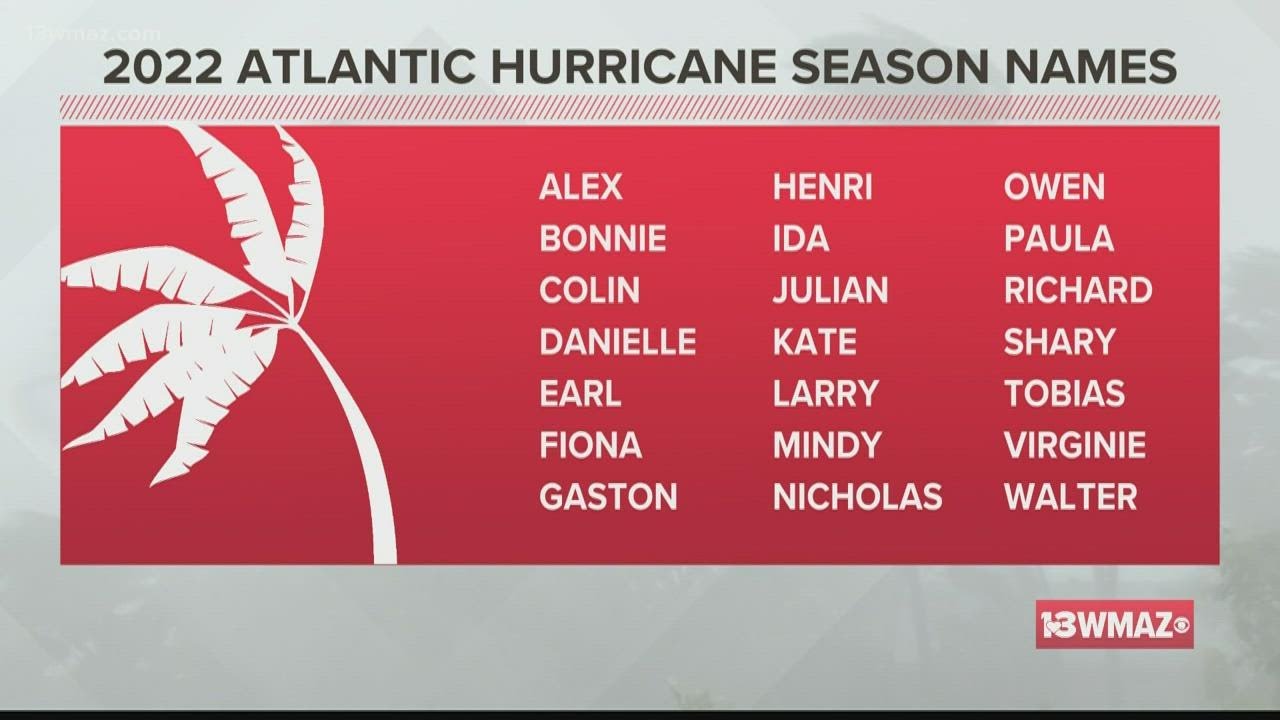
Ever wondered how hurricanes get their names? It seems like every summer, we're glued to weather reports, hearing about Hurricane Alex, then Bonnie, and so on. But is there a method to this madness? Does the National Hurricane Center just pull names out of a hat, or is there an actual system in place? The truth is, there's a fascinating and organized approach to naming these powerful storms, and understanding it can actually make those weather reports a little less daunting and a little more… well, interesting! Knowing how hurricane names work also helps us understand the urgency and potential impact of these storms, making us more informed and prepared.
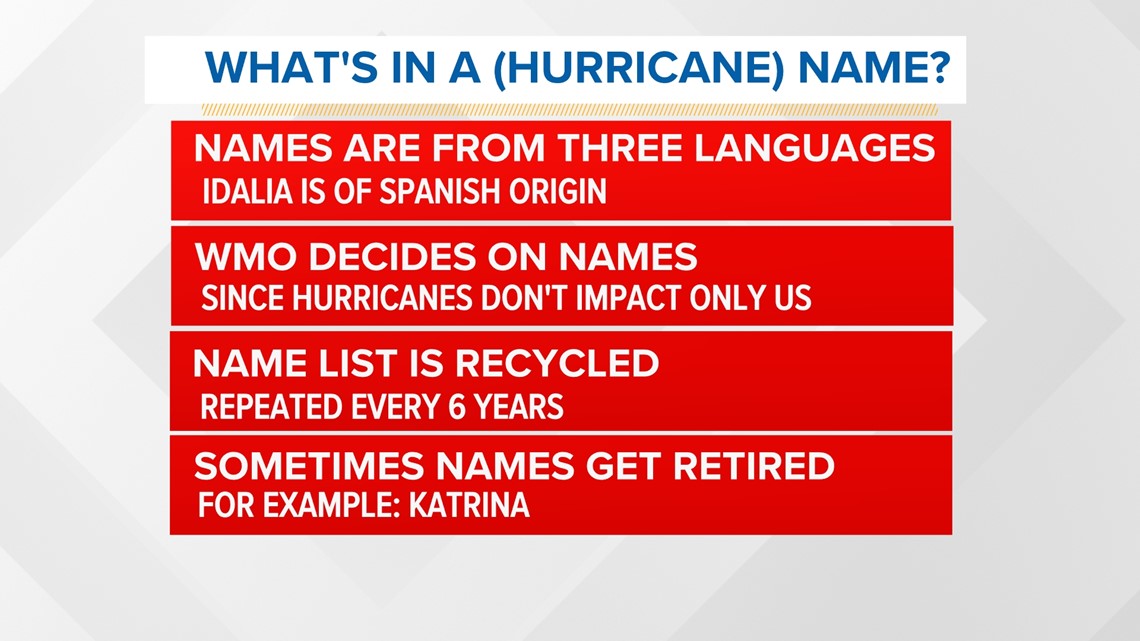
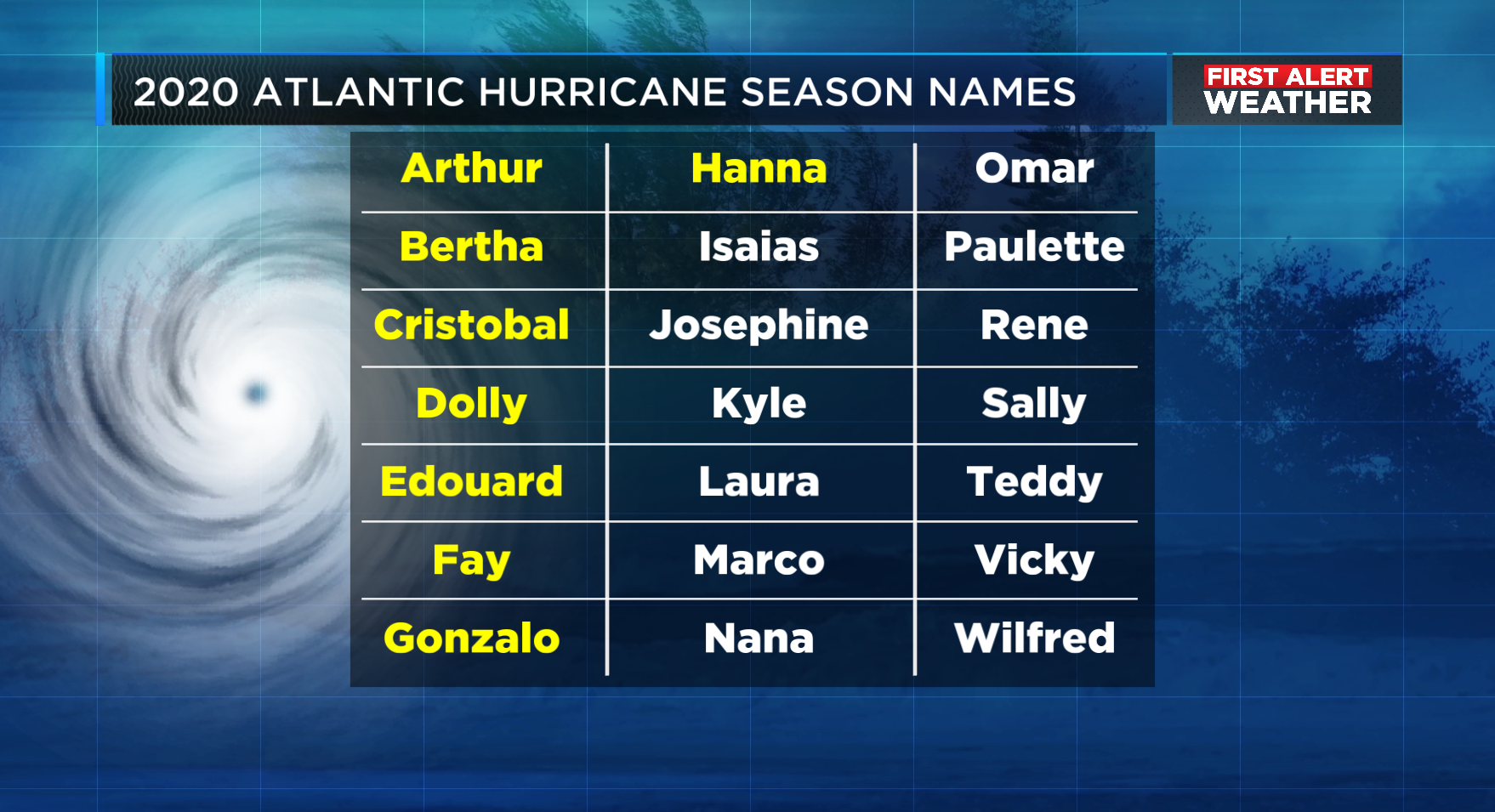
So, do hurricanes get named in alphabetical order? The short answer is: yes, mostly! The longer answer is a bit more nuanced. The World Meteorological Organization (WMO) maintains six lists of names, rotating them annually. This means the list used in 2024 will be used again in 2030. Each list contains 21 names, skipping the letters Q, U, X, Y, and Z. Why these letters? It's partly because there aren't many commonly used names that start with those letters, and also to avoid confusion.
Think of it this way: the first hurricane of the year gets a name starting with "A," the second with "B," and so on. So, if the first few storms of 2024 are named Alex, Bonnie, and Colin, you know exactly where we are in the progression of the season. This alphabetical order helps meteorologists and the public easily track and remember storms. It's a simple yet effective system that keeps everyone on the same page.
Must Read
But what happens if we run out of names on the list? Well, that's where things get even more interesting! When the pre-determined list is exhausted (meaning we've had more than 21 named storms in a year, which is thankfully rare!), a supplemental list is used. This list, adopted in 2021, uses a different set of names from the traditional list. Before 2021, Greek letters (Alpha, Beta, Gamma, etc.) were used, but this proved confusing and created translation issues internationally.
The purpose of this entire naming system is simple: communication and clarity. Giving hurricanes names allows for easier tracking, reporting, and recall. Imagine trying to discuss Hurricane #3 of 2024! A name is much more memorable and less prone to error. It also helps to avoid confusion when multiple storms are active in the same region at the same time. The benefits are clear: efficient communication, increased public awareness, and improved preparedness.
Finally, there's one more important aspect to consider: retired names. If a hurricane is particularly devastating and its name becomes associated with significant loss of life or property damage, the WMO may retire that name. This prevents its reuse in the future out of respect for those affected. So, names like Katrina, Harvey, and Maria will never be used again. This process highlights the seriousness and impact of these natural disasters, ensuring their memory is treated with the gravity it deserves.
So, next time you hear a hurricane name, remember the alphabetical order, the rotating lists, and the purpose behind it all. It's a fascinating system designed to help us all stay informed and safe during hurricane season.