Do Gaming Computers Use A Lot Of Electricity
Let's be honest, who doesn't love a good gaming session? Whether you're exploring vast open worlds, strategizing in real-time battles, or just unwinding with a casual puzzle game, gaming offers an escape, a challenge, and a connection to others. It's a modern-day form of entertainment that captivates millions, and for many, a high-powered gaming computer is the key to unlocking the full potential of these digital experiences.
Gaming isn't just about mindless fun, though. It offers a surprising number of benefits. For example, strategy games can significantly improve critical thinking skills and problem-solving abilities. Online multiplayer games foster teamwork, communication, and coordination. Even fast-paced action games can enhance reaction time and spatial reasoning. Furthermore, gaming can be a fantastic way to de-stress and connect with friends, especially in our increasingly digital world.
You see gaming computers applied in numerous ways beyond just entertainment. Game development itself relies heavily on powerful machines capable of running complex software and rendering intricate graphics. Professionals in fields like architecture and engineering use similar workstations to visualize designs and run simulations. Even the medical field utilizes high-performance computing for image processing and virtual reality training. Think of a surgeon practicing a complex procedure in a simulated environment – that's often powered by the same kind of technology found in a gaming PC.
Must Read
Now, let's address the elephant in the room: electricity consumption. It's true that gaming computers, with their dedicated graphics cards, powerful processors, and cooling systems, can draw a significant amount of power, especially when running demanding games. This has led to concerns about their environmental impact and the potential for higher electricity bills. So, do gaming computers use a lot of electricity? The answer is, it depends.
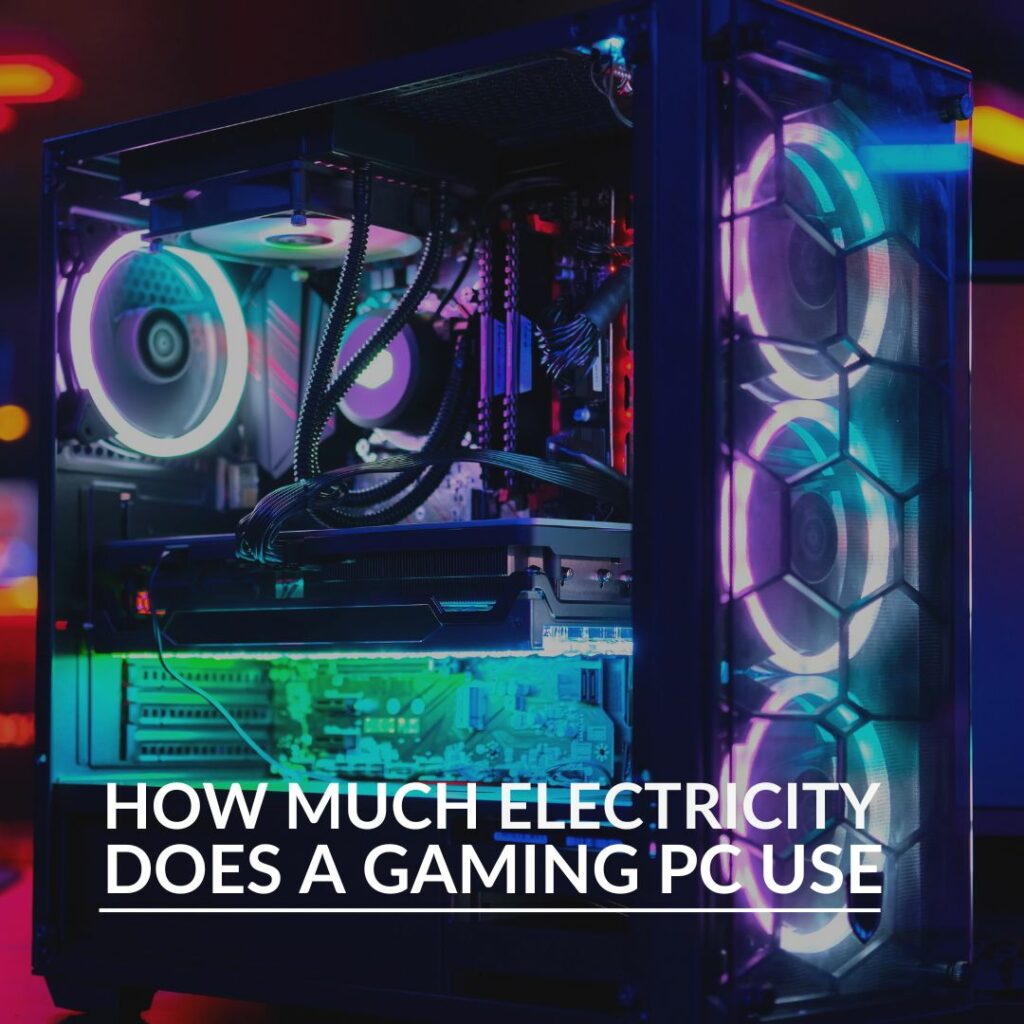
A basic gaming PC used for casual gaming might draw a few hundred watts, while a high-end rig with multiple graphics cards could easily consume over 500 watts or even more during intense gaming sessions. Compared to a standard desktop computer or a laptop, the difference is noticeable. However, there are ways to mitigate the power drain and enjoy your games more responsibly. Here are a few practical tips:
- Choose Energy-Efficient Components: When building or buying a gaming PC, look for components with good energy efficiency ratings. Graphics cards and power supplies are particularly important.
- Optimize Game Settings: Lowering graphical settings in games, such as resolution or detail levels, can significantly reduce the load on your graphics card and, consequently, its power consumption.
- Utilize Power Saving Features: Enable power saving modes in your operating system and graphics card drivers. These features can automatically reduce performance when it's not needed.
- Unplug or Turn Off Peripherals: Don't leave your gaming peripherals, like keyboards, mice, and headsets, plugged in when you're not using them. They can still draw power even when idle.
- Consider your PSU efficiency: A 80+ Gold or Platinum power supply is a good investment.
Ultimately, enjoying your gaming computer responsibly involves making informed choices about hardware, software, and usage habits. By implementing these tips, you can continue to enjoy the immersive world of gaming without unnecessarily impacting your electricity bill or the environment. So, game on, but game smart!