
Do Fire Alarms Detect Gas
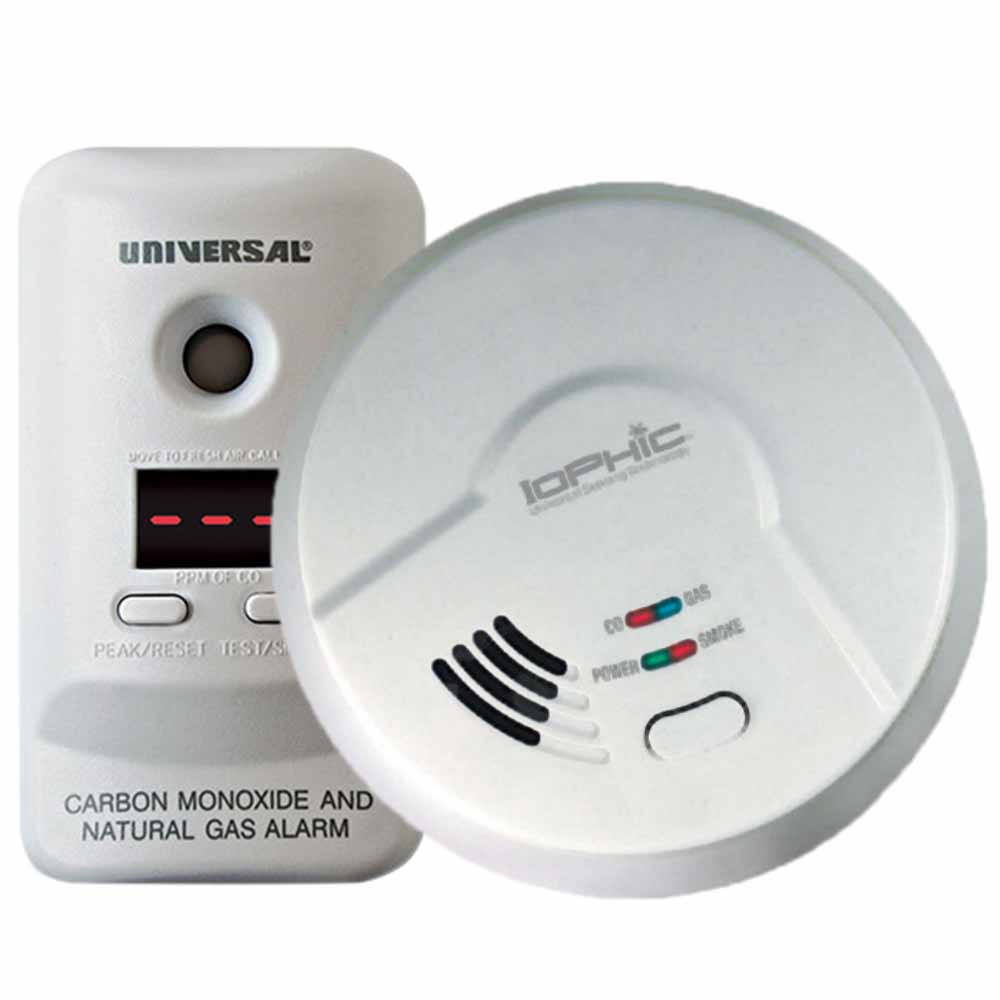
Ever walked past that little white disc on your ceiling and thought, "You've got one job, buddy!"? Most of us associate fire alarms with, well, fires. You know, smoke billowing, flames flickering, the whole dramatic movie scene. But have you ever paused to wonder if these vigilant guardians of our homes are doing a little extra credit work? Specifically, do fire alarms detect gas?
It's a really great question, actually, and one that gets right to the heart of home safety. Let's peel back the layers of this fascinating topic, like unwrapping a particularly intriguing mystery.
The Straightforward Answer (Mostly "No")
Okay, let's get the initial answer out of the way. If you're thinking about a standard, run-of-the-mill smoke detector – the kind that screams bloody murder when you burn toast – then the answer is generally no. These classic devices are specifically engineered to detect either smoke particles (from fires, cooking gone wrong, etc.) or heat (a rapid rise in temperature).
Must Read
Think of it like this: your smoke detector has a very particular "nose." It's great at sniffing out the tiny airborne bits that come from something burning. It's like someone who can tell you exactly what kind of wood is burning just by the smell. But ask that same person to identify a specific type of perfume, and they might be totally lost. Why? Because it's a different kind of "smell," a different kind of detection challenge.
Gases are an entirely different beast. They're often invisible, odorless, and don't produce smoke or significant heat until they ignite (and by then, you've got bigger problems!). So, a sensor designed for smoke simply doesn't "see" or "smell" gas.
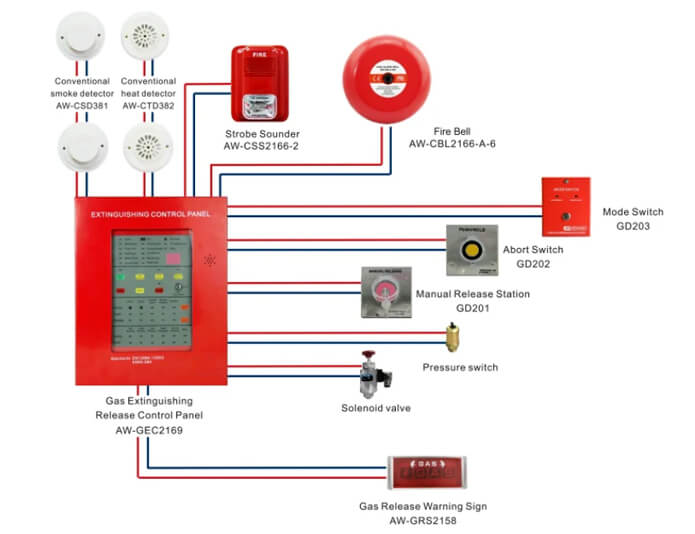
But Wait, There's a Cool Twist: The Combo Heroes!
Now, this is where it gets really interesting and where modern technology steps in to make our homes much safer. While a simple smoke detector won't detect gas, many alarms available today are not just "simple smoke detectors." They are the superheroes of home safety: combination detectors!
These clever devices pack multiple types of sensors into a single unit. They’re like a Swiss Army knife for your ceiling, ready to tackle various threats. What kind of gases are we talking about here?

Carbon Monoxide (CO): The Silent Sneak
One of the most crucial gases these combo units often detect is carbon monoxide (CO). This stuff is seriously dangerous because it's completely odorless, colorless, and tasteless. You can't see it, you can't smell it, and you certainly can't taste it. That's why it's often called the "silent killer."
CO is produced by the incomplete burning of various fuels – think furnaces, gas stoves, fireplaces, car exhaust, and even charcoal grills. If these appliances aren't working correctly or aren't vented properly, CO can build up to toxic levels, quickly leading to sickness and even death. A standard smoke detector has absolutely no way of picking this up.
But a combination smoke and CO detector? That's a different story! It has a special electrochemical sensor specifically tuned to detect CO molecules in the air. When it "sniffs" enough CO, it sounds a unique alarm, distinct from the smoke alarm, to alert you to this invisible danger.

Natural Gas & Propane: The Explosive Risk
Another pair of dangerous gases that some combination detectors can handle are natural gas and propane. These are the fuels that power many of our stoves, water heaters, and heating systems. While they often have an additive (mercaptan) that gives them a distinctive "rotten egg" smell for safety, a leak can still be extremely dangerous, leading to potential explosions or fires.
Gas detectors designed for natural gas and propane use a different type of sensor, often a semiconductor, that reacts to the presence of these particular gases. When the gas concentration reaches a certain level, ping! – an alarm sounds, giving you precious time to air out your home, shut off the gas, and call for help.

Why the Distinction Matters for You
So, why is all this important to understand? Because knowing what your alarms actually do could literally save lives. Here are a few key takeaways:
- Check Your Alarms: Don't just assume. Take a moment to look at your existing detectors. Do they explicitly state they detect CO? Or perhaps "Smoke & Gas"? If they're just "Smoke Alarm," then you only have smoke detection.
- Consider Upgrading: If you only have smoke detectors, especially if you have gas appliances or an attached garage, strongly consider upgrading to combination smoke and CO alarms. It's a small investment for a huge leap in safety.
- Placement Matters: Smoke detectors usually go high on walls or ceilings. CO detectors, because carbon monoxide mixes easily with air, can be placed at various heights, often near sleeping areas and on every level of your home. Gas detectors (for natural gas/propane) are often best placed lower, near potential leak sources like gas appliances, as some heavier gases can sink.
- Test Them Regularly: Regardless of what kind of detector you have, test it! Push that test button monthly. Change batteries twice a year (a good rule of thumb is when you change your clocks for daylight saving time).
The Bottom Line: Be Aware, Be Safe!
So, to circle back to our original question: Do fire alarms detect gas? The nuanced answer is: standard smoke alarms typically do not, but many modern combination alarms absolutely do, especially for dangerous gases like carbon monoxide and explosive natural gas/propane.
It's pretty cool how far home safety technology has come, isn't it? From a simple smoke sensor to an all-in-one guardian watching over invisible dangers. Knowing what protectors you have in your home empowers you to make smarter, safer choices. Stay curious, stay safe!