Do Electrons Always Flow From Anode To Cathode

Okay, so you've probably heard the terms anode and cathode buzzing around, usually when someone's talking about batteries or electronics. It can sound a bit like science-y gibberish, right? But trust me, it’s not as scary as it seems. We're going to tackle a simple question: Do electrons always flow from the anode to the cathode?
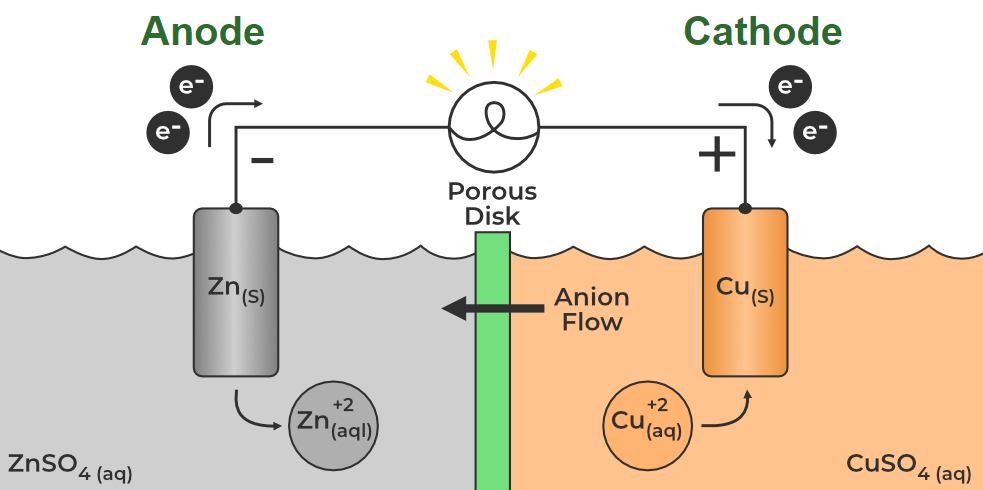
Imagine a battery. It’s like a tiny little energy sandwich, holding a bunch of electrons that are just itching to get somewhere. Now, the anode is generally considered the "negative" side of the battery, or the place where electrons hang out, like a crowded dance floor. It has a surplus of these negatively charged particles. Think of it as the electron party central.
The cathode, on the other hand, is usually the "positive" side. It's like the VIP section of the electron club. It's electron deficient (it really wants some of those electrons!).
Must Read
So, naturally, these electrons from the crowded anode want to shuffle over to the less crowded cathode. They flow through a circuit (the band playing the tunes, let's say), powering your phone, your flashlight, or whatever device you're using. This flow of electrons is what we call electricity. It’s like tiny little electric ants carrying power to where it's needed.
But here's where things get a little twisty, like a pretzel stuck in a vending machine. While electrons themselves flow from the anode to the cathode (negative to positive), conventional current, which is what we often use in circuits and diagrams, is defined as flowing from positive to negative (cathode to anode!). Confusing, I know!
Think of it this way: imagine you're filling a bucket with water. The water flows from the tap (the source) to the bucket. That’s like electrons flowing from the anode to the cathode. However, someone else might describe the process by talking about the space being filled in the bucket. That's kinda like the conventional current going from the positive to the negative.
Historically, scientists got the direction of current wrong way back when. They thought positive charges were moving, and even after we knew electrons were the actual charge carriers, the convention stuck. It's like still calling that one road "Main Street" even though it's nowhere near the main part of town anymore.

So, to answer the original question: Electrons do physically flow from the anode to the cathode in a battery or electrochemical cell. However, when you're drawing circuit diagrams or talking about "conventional current," you'll often hear about current flowing from positive to negative (cathode to anode). It's like two ways of describing the same journey – one focusing on the travelers (electrons) and the other on the destination.
Now, here's where it gets a little trickier than a double-knot shoelace. This isn't always true in every single situation. In some systems, the roles of anode and cathode can actually switch depending on what's happening. This happens in things like rechargeable batteries when they're being charged. Suddenly, the cathode (normally the positive side receiving electrons) becomes the place where electrons are being pumped in, effectively making it the anode during charging. It's a bit like a revolving door situation.
/how-to-define-anode-and-cathode-606452_FINAL-0fb3b21b79564acd9ef7c729a2bcd98e.png)
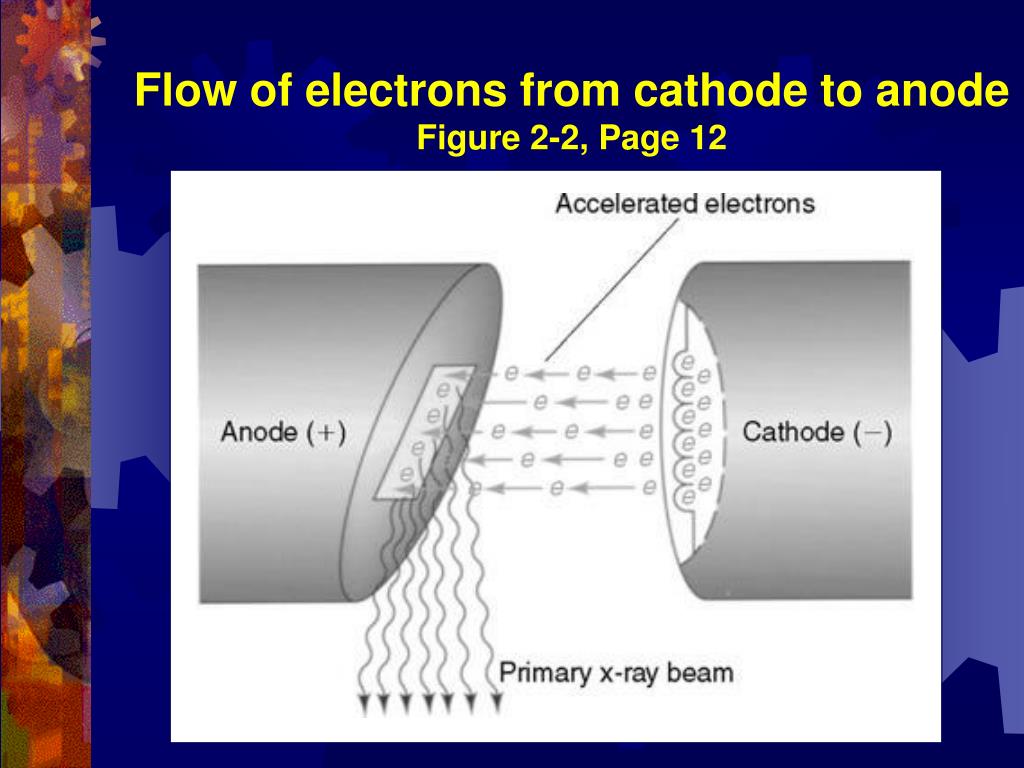
Also, in some electronic components like vacuum tubes, the anode is positive to attract the electrons that are emitted from the cathode.
Confused? Don't sweat it! The main takeaway is that: Electrons flow from where there's a lot of them (negative) to where there aren't so many (positive). Anode and cathode are just labels, and sometimes those labels can get swapped around depending on the context. It's like that friend who borrows your stuff and then swears it was always theirs. You just have to roll with it.
So, the next time you're fiddling with batteries, remember the electron dance. They're all just trying to get from one spot to another, powering our world one tiny electron step at a time!