
Do Electric Water Heaters Use A Lot Of Electricity
Hey there! Ever stare at your electricity bill and think, "Whoa, where did all that power go?" Yeah, me too. And sometimes, just sometimes, I suspect the culprit is lurking right in my utility room: my electric water heater.
So, the burning question: do electric water heaters really guzzle a ton of electricity? Let's dive in, shall we? Grab your coffee (or tea, no judgment here!).
The Truth About Thermostats and Tanks
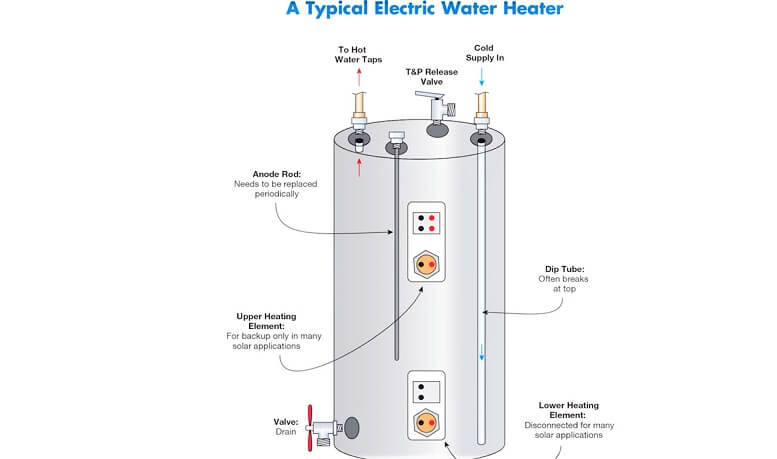
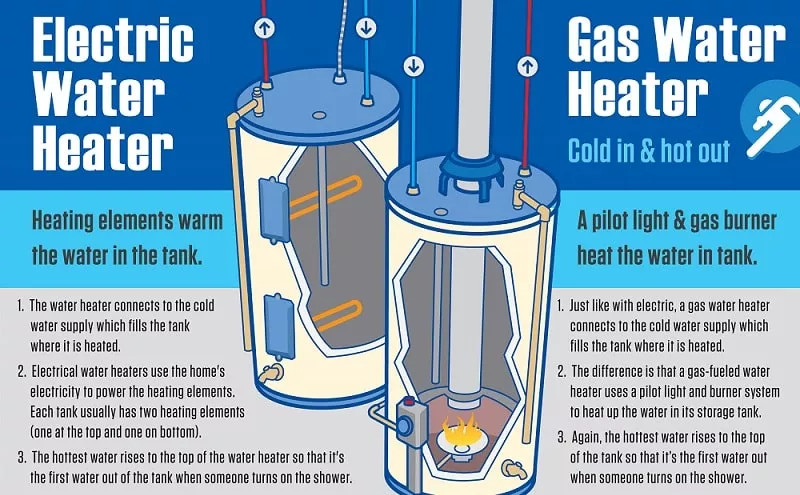
Okay, picture this: Your electric water heater is basically a giant insulated tank with a super-powered electric coil inside. Its main job? To keep a whole bunch of water nice and toasty, 24/7. Talk about dedication!
Must Read
The thing is, keeping that water hot requires… well, electricity. The thermostat kicks on the heating element whenever the water temperature dips below a certain point. Which means even when you're not showering, washing dishes, or doing laundry (you know, the actual reasons you need hot water), it's still using energy. Sneaky, huh?
Now, how much electricity? That's the million-dollar question, isn't it? (Okay, maybe more like a hundred-dollar question, depending on your electric bill). It really depends on a bunch of factors, like…

- Your tank size: A huge tank will naturally use more energy to heat than a smaller one. Duh, right?
- Your usage: The more hot water you use, the harder that little heating element has to work. Think long, hot showers versus quick, efficient ones.
- Your thermostat setting: Are you keeping your water at a scorching 140 degrees? Or a more reasonable 120? Believe it or not, that temperature difference can make a huge impact.
- Insulation: A well-insulated tank loses less heat, which means the heating element doesn't have to kick on as often. A poorly insulated tank? Think of it as throwing money – and energy – straight out the window.
- The age of your heater: Like us, water heaters get less efficient as they age. A shiny new model will almost always outperform a vintage one.
See? It's not a simple yes or no answer. It's more like a "it depends… a lot!"
So, Are You Doomed to a Sky-High Bill?
Not necessarily! There are things you can do to tame your electric water heater’s appetite.
First, consider lowering your thermostat. Most experts recommend 120 degrees Fahrenheit. Seriously, you probably won't even notice the difference, and you'll save a surprising amount of energy. Plus, it can help prevent scalding, which is a definite bonus!
Next, insulate, insulate, insulate! If your tank feels warm to the touch, it's losing heat. An insulation blanket is a cheap and easy way to keep that heat where it belongs – inside the tank.
Fix leaky faucets pronto! A dripping hot water faucet is basically throwing away heated water – and the energy it took to heat it. It's like leaving the tap running just to annoy your wallet.

Think about upgrading to a more efficient model. If your water heater is ancient, it might be time for a new one. Look for Energy Star certified models – they're designed to use less energy. Heat pump water heaters are particularly efficient, although they do have a higher upfront cost.
And finally, be mindful of your hot water usage. Shorter showers? Washing clothes in cold water when possible? Every little bit helps!
The Verdict?
Electric water heaters can use a lot of electricity, especially if they're old, poorly insulated, or set to a high temperature. But with a few simple changes, you can definitely rein in that energy consumption and save some money. Think of it as a win-win for your wallet and the planet!
So, are you ready to declare war on your electric bill? I am!
And hey, maybe after you've tackled the water heater, we can compare notes on conquering phantom loads next? You know, those sneaky devices that suck up energy even when they're turned off? But that's a conversation for another cup of coffee...