
Do Dryers Use Gas Or Electric
:max_bytes(150000):strip_icc()/gas-dryer-vs-electric-dryer-2146251_FINAL-5bbe54b846e0fb00511f28f4.png)
Alright, laundry day! It's one of those universal experiences, right? You toss in your clothes, press a few buttons, and a little while later, poof! warm, fluffy, dry garments emerge. It feels like magic, but have you ever stopped to wonder about the silent workhorse behind the scenes? Specifically, when it comes to drying those wet socks and t-shirts, does your dryer use gas or electric?
It’s a fantastic question, and one that many people don't often ponder until they’re buying a new appliance or maybe trying to figure out a surprisingly high utility bill. But trust me, once you start thinking about it, it's actually pretty cool how these everyday machines get the job done!
The Tale of Two Dryers: Electric Edition
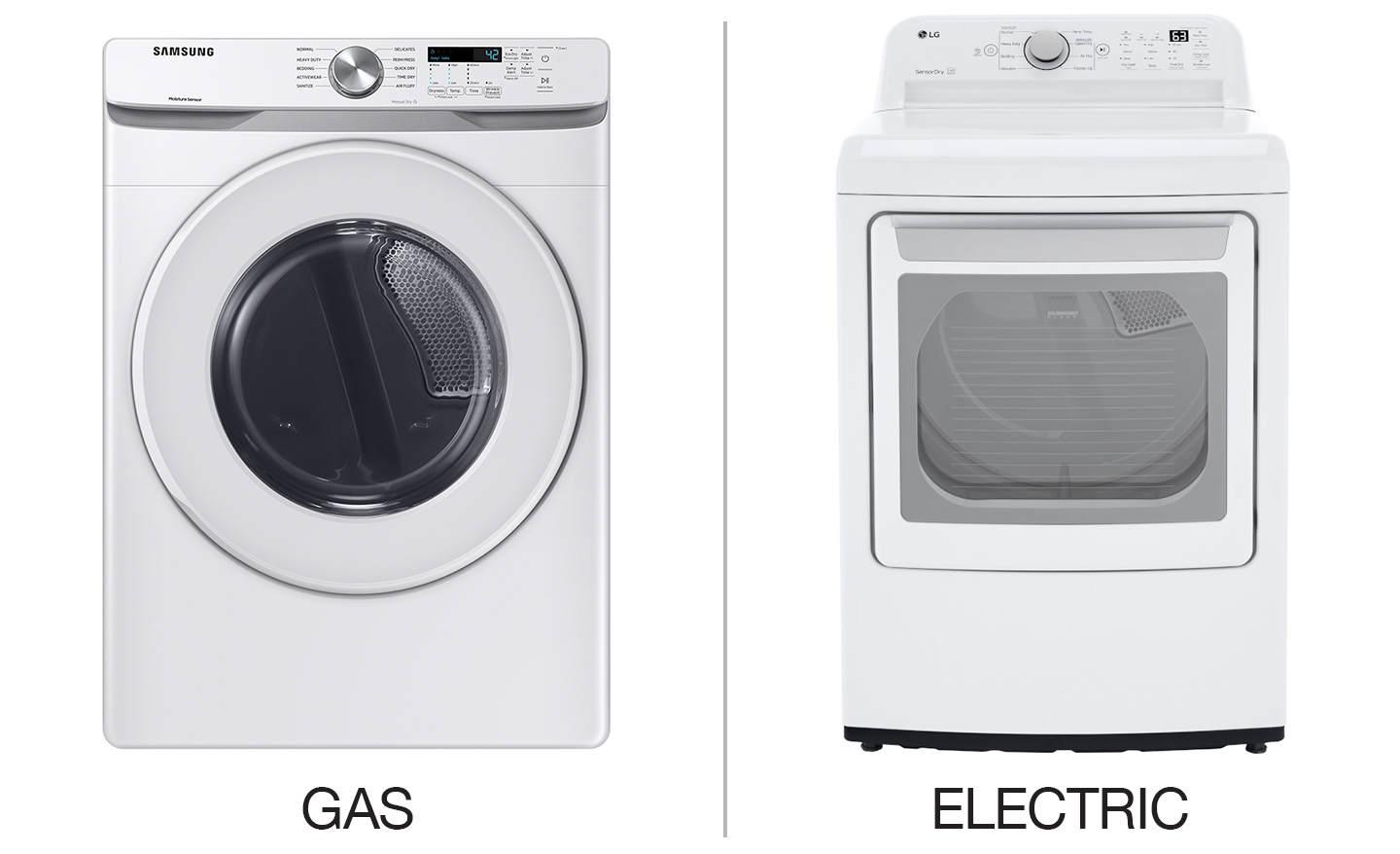
Let’s start with the electric dryer, probably the one many of us are most familiar with. Think of an electric dryer as a giant, super-powered hairdryer. It works by having a heating element – kind of like the coils you see on an old toaster or inside your oven – that gets really hot when electricity passes through it.
Must Read
A fan then kicks in, blowing air over this super-hot element, and voilà! You’ve got hot air. This warm air then tumbles through your clothes, picking up all that lovely moisture, before being vented out of your home. Simple, right? It’s essentially electricity doing all the heavy lifting to generate heat.
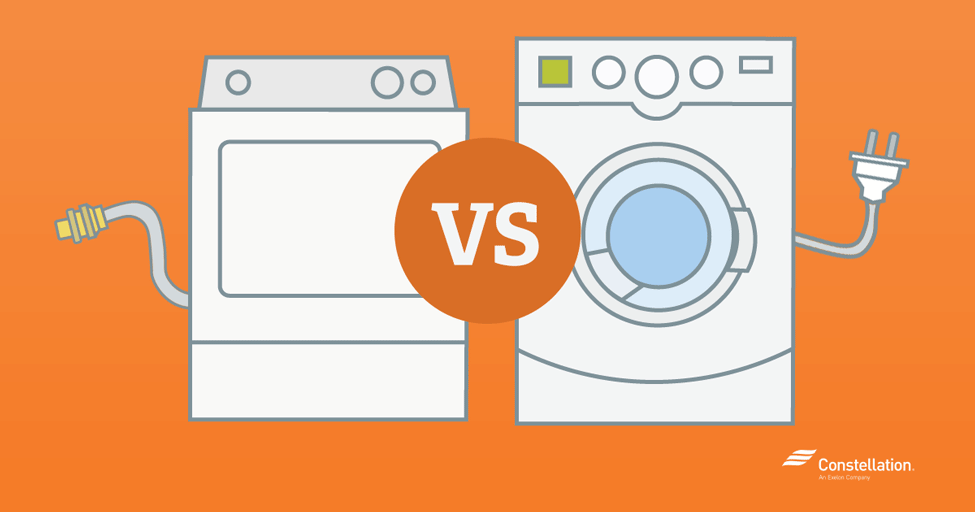
The only real catch for an electric dryer is that it needs a special kind of outlet. Not your standard two-pronged wall socket, oh no. We're talking about a bigger, chunkier 240-volt outlet, usually with three or four prongs. It's designed to handle the serious power required to heat up so quickly and effectively. If you've ever peeked behind your dryer, you've probably noticed it!
Then There's the Gas Guy
Now, for the gas dryer, things operate a little differently under the hood. Instead of an electric heating element, a gas dryer has a small gas burner. When you start the cycle, a small flame ignites, much like a mini-furnace inside your appliance. This flame heats up the air, and just like its electric cousin, a fan blows this hot air through your clothes.
So, instead of relying solely on your home’s electrical grid for heat generation, a gas dryer taps into your natural gas line (or sometimes propane, depending on your setup). This means that to have a gas dryer, you obviously need a gas connection in your laundry room. It’s like having a little part of your home's heating system dedicated just to drying clothes!
The Big Question: Cost and Efficiency
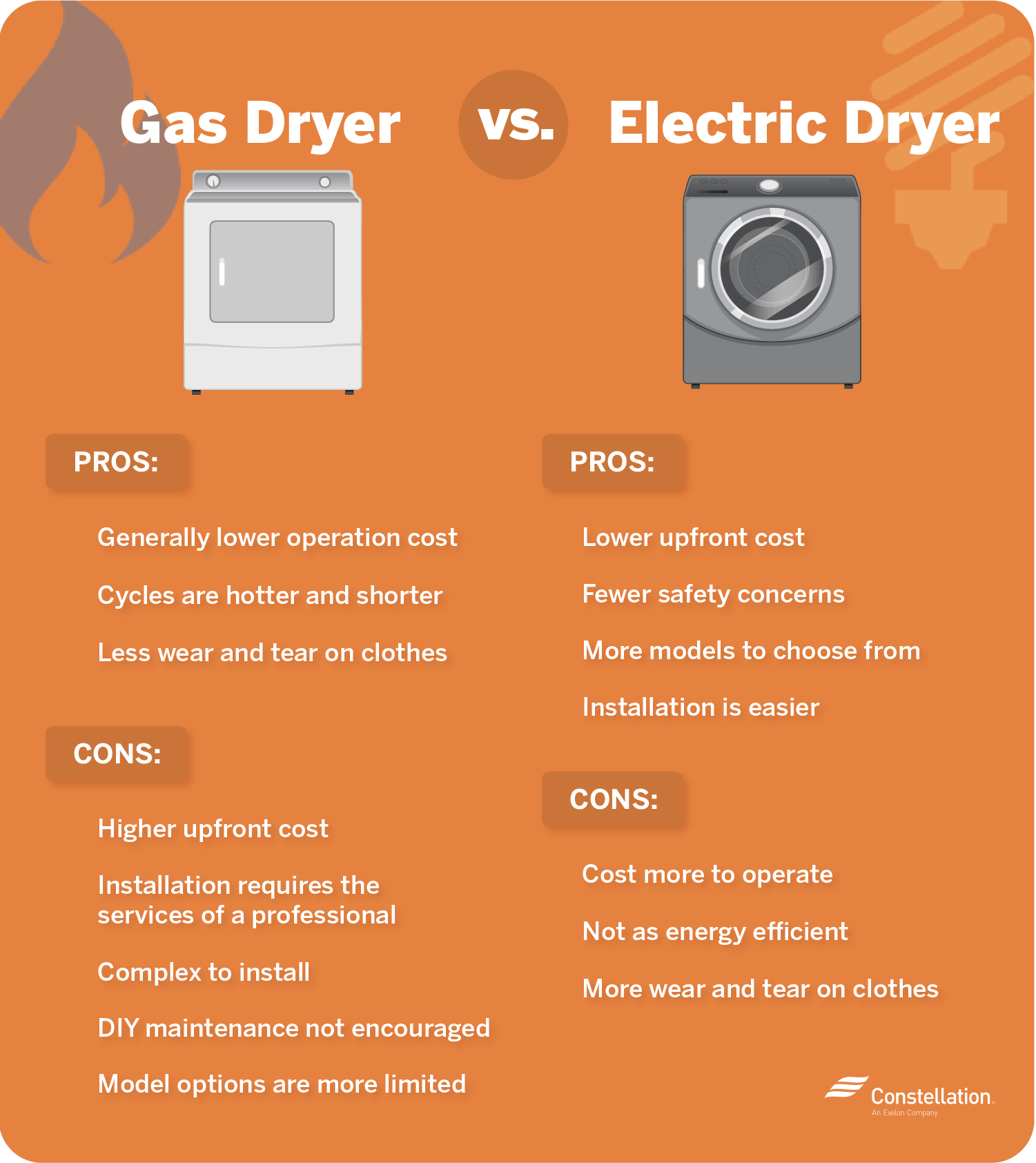
This is often where the rubber meets the road for most people. Which one is cheaper to run? Generally speaking, natural gas tends to be less expensive per therm (the unit of natural gas) than electricity is per kilowatt-hour (the unit of electricity) for heating purposes. This means that, often, running a gas dryer can be more economical per load than an electric one.
Think of it like choosing between a gas car and an electric car for their "fuel" costs – the initial price of the car might differ, but the day-to-day cost of filling it up (or charging it) is a big part of the equation. Gas dryers also tend to heat up faster and can sometimes get a bit hotter, potentially leading to shorter drying times, which can also save a little energy and time in the long run.
However, it’s not always a clear-cut win for gas. The upfront cost of a gas dryer can sometimes be a bit higher, and if you don't already have a gas line in your laundry room, installing one can be a significant expense. Plus, electricity rates and gas rates vary wildly depending on where you live. So, what's cheapest for your neighbor across the country might not be cheapest for you! It's always a good idea to check your local utility rates.
Installation and Practicalities
Beyond the running costs, there are practical differences. An electric dryer generally has simpler installation requirements – assuming you have that dedicated 240V outlet. No new pipes, just plug it in and make sure it’s properly vented (which both types need, by the way, to prevent moisture buildup and fire hazards!).
A gas dryer, on the other hand, needs that gas line connected by a professional, usually a flexible yellow hose, in addition to the proper electrical connection (though typically a standard 120V outlet for the controls and drum rotation, not the heating). So, if you’re moving into a new place or renovating, this is a key factor to consider.

So, Which One Do YOU Have?
Curious now? Want to know which drying warrior is in your laundry room? It’s pretty easy to find out!
- Check the plug: If it’s a big, beefy three or four-prong plug that looks different from all the other plugs in your house, you’ve most likely got an electric dryer.
- Look for a gas line: If you see a flexible yellow hose connecting to the back of the dryer, leading to a pipe in the wall, then congratulations, you're rocking a gas dryer!
- Read the label: All appliances have a label, usually on the back or inside the door. It will clearly state whether it’s gas or electric.
Wrapping it Up
Ultimately, both gas and electric dryers are incredibly effective at getting our clothes dry. They just take different paths to get there. One uses the raw power of electricity to heat up an element, while the other ignites a mini-flame from natural gas.
It’s a small detail in the grand scheme of things, but understanding it can actually help you make more informed decisions when buying appliances, potentially save you some money on utilities, and certainly makes for a fun fact to share at your next gathering. Who knew laundry could be so interesting, right? Keep those clothes tumbling!