Do Carbon Monoxide Detectors Detect Gas Leaks
Let's talk about something that's both a little scary and super important: keeping your home safe! We all want to sleep soundly at night, knowing we're protected from unseen dangers. That's where detectors come in. Specifically, we're going to dive into a common question: Do those trusty carbon monoxide (CO) detectors also sniff out natural gas leaks? It’s a question that pops up a lot, and understanding the answer could be a real life-saver. So, let's get to it!
First, let's clarify what these detectors are actually designed for. A carbon monoxide detector is specifically built to detect the presence of carbon monoxide, an odorless, colorless, and tasteless gas. It’s a silent killer, produced by the incomplete burning of fuels like propane, gasoline, wood, natural gas, and oil. Think faulty furnaces, blocked chimneys, or even running a car in a closed garage. The benefits of having a CO detector are crystal clear: it gives you an early warning, allowing you to evacuate your home and call for help before CO poisoning becomes severe or even fatal. It's all about peace of mind and preventing a potentially devastating situation.
Now, for the big question: Can your CO detector double as a gas leak detector? The short answer is: No, it can't. Natural gas (usually methane) is a different beast altogether. It requires a completely different kind of sensor to detect its presence. CO detectors use a sensor that reacts specifically to carbon monoxide molecules. They are not designed to react to methane or other components of natural gas.
Must Read
So, what does detect natural gas leaks? Well, you need a natural gas detector (also sometimes called a methane detector). These detectors are designed with sensors that specifically react to the presence of natural gas in the air. They work by triggering an alarm when they detect a certain concentration of gas, alerting you to a potential leak.
Think of it this way: a smoke detector detects smoke, and a CO detector detects carbon monoxide. Similarly, a natural gas detector detects natural gas. They each have a specific job to do! It’s all about using the right tool for the right task.

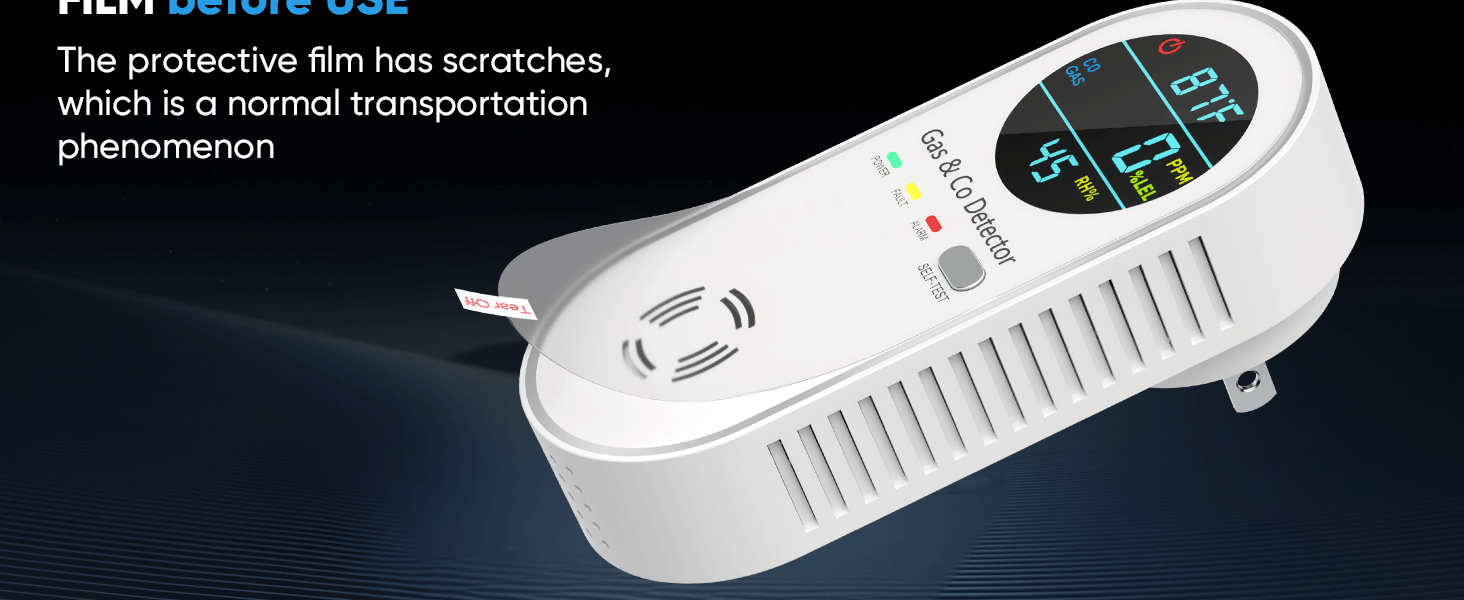
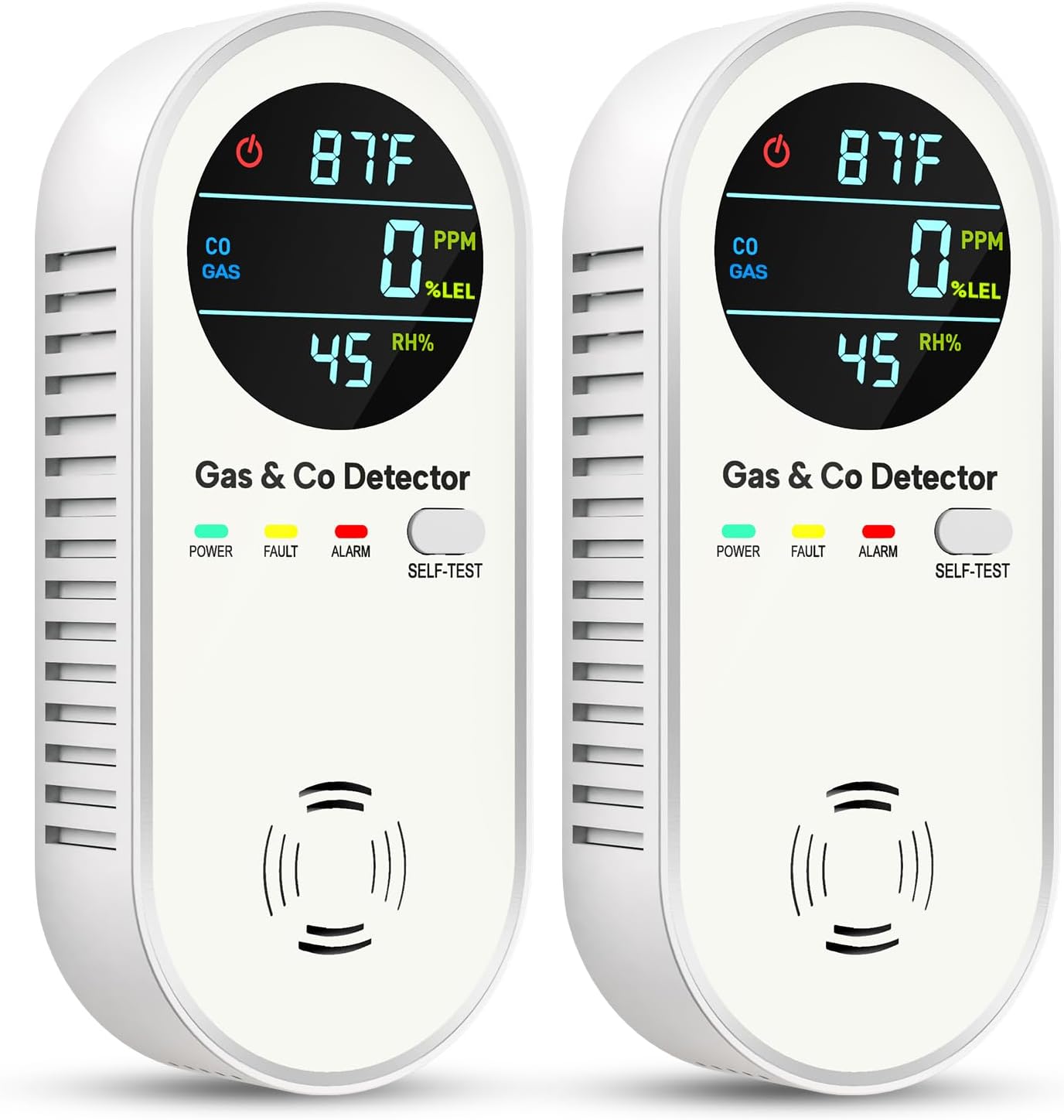
To further complicate things (but in a helpful way!), you can actually find combination detectors that detect both carbon monoxide and natural gas. These are a great option if you want the convenience of a single device covering both potential hazards. Just make sure to read the product description carefully to confirm it truly detects both gases.
In conclusion, while a carbon monoxide detector is a crucial safety device for protecting you from CO poisoning, it won't alert you to a natural gas leak. For that, you need a dedicated natural gas detector or a combination unit. Investing in both types of detectors (or a combination detector) is a smart way to ensure comprehensive safety in your home and give you that much-needed peace of mind. Stay safe!