
Do Attic Fans Cool Your House

Ever found yourself staring up at your roof, maybe on a sweltering summer day, wondering about that mysterious whirring sound coming from your attic? Or perhaps you've heard whispers from neighbors about these things called attic fans, and how they're supposed to be a secret weapon against the heat. It's a common thought, right? You've got this super hot space up top, so logically, if you just blow that hot air out, your whole house should feel like a breezy paradise!
But here's the kicker: like many things that seem like a simple fix, the truth about attic fans and their cooling superpowers is a little more, shall we say, nuanced. It’s not quite as straightforward as a magic wand for your thermostat. So, let’s peel back the layers and get curious about whether these fans are truly the unsung heroes of home cooling, or just a bit of a mixed bag.
What's the Big Idea Behind an Attic Fan?
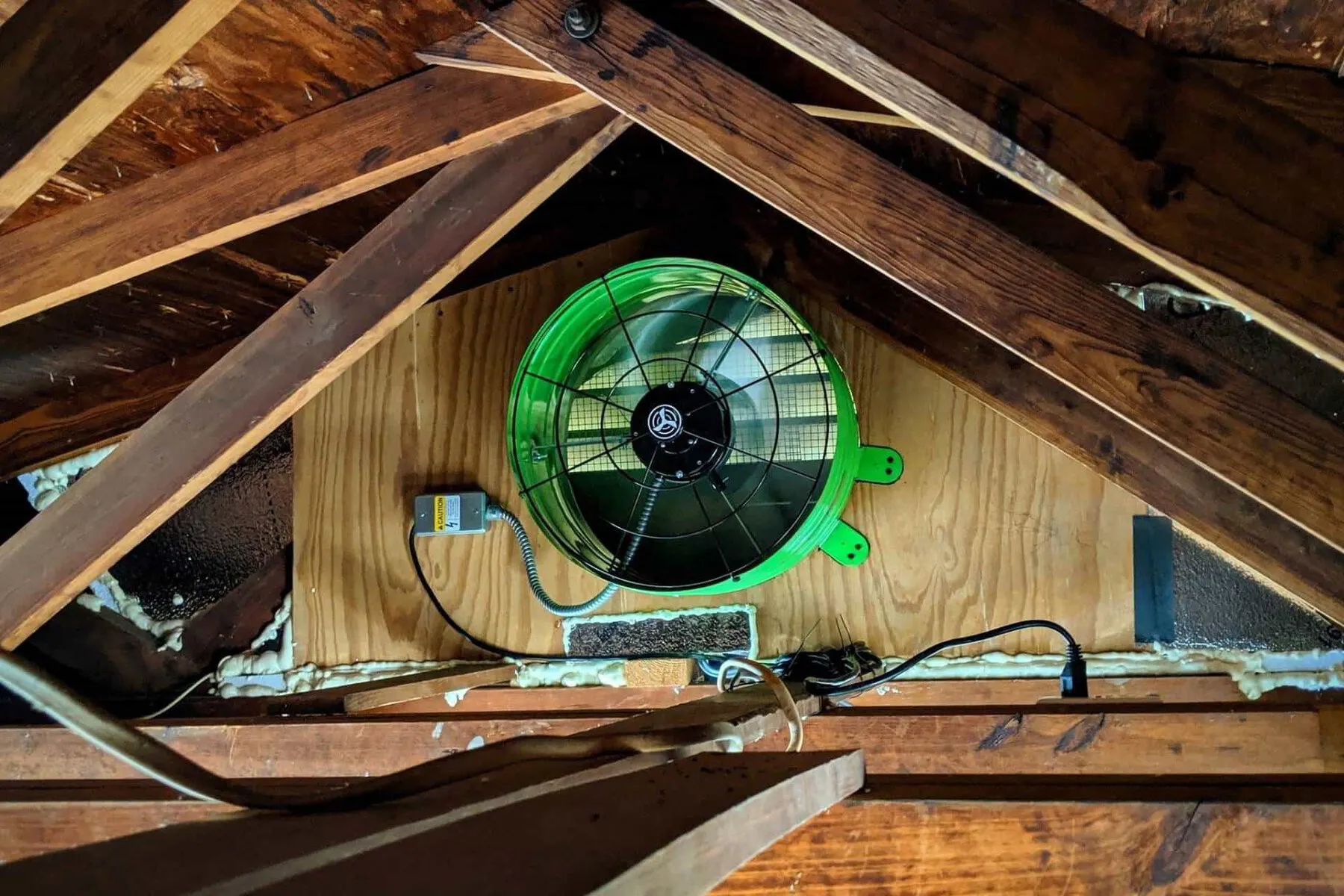
Okay, first things first: what even is an attic fan? Basically, it's a fan, often mounted on your roof or in a gable vent, designed to suck hot air out of your attic. The idea is simple: attics can get unbelievably hot – we're talking temperatures that feel like a pizza oven in there, sometimes hitting 150 degrees Fahrenheit or more! All that trapped heat can radiate down into your living spaces, making your AC unit work overtime and costing you a pretty penny.
Must Read
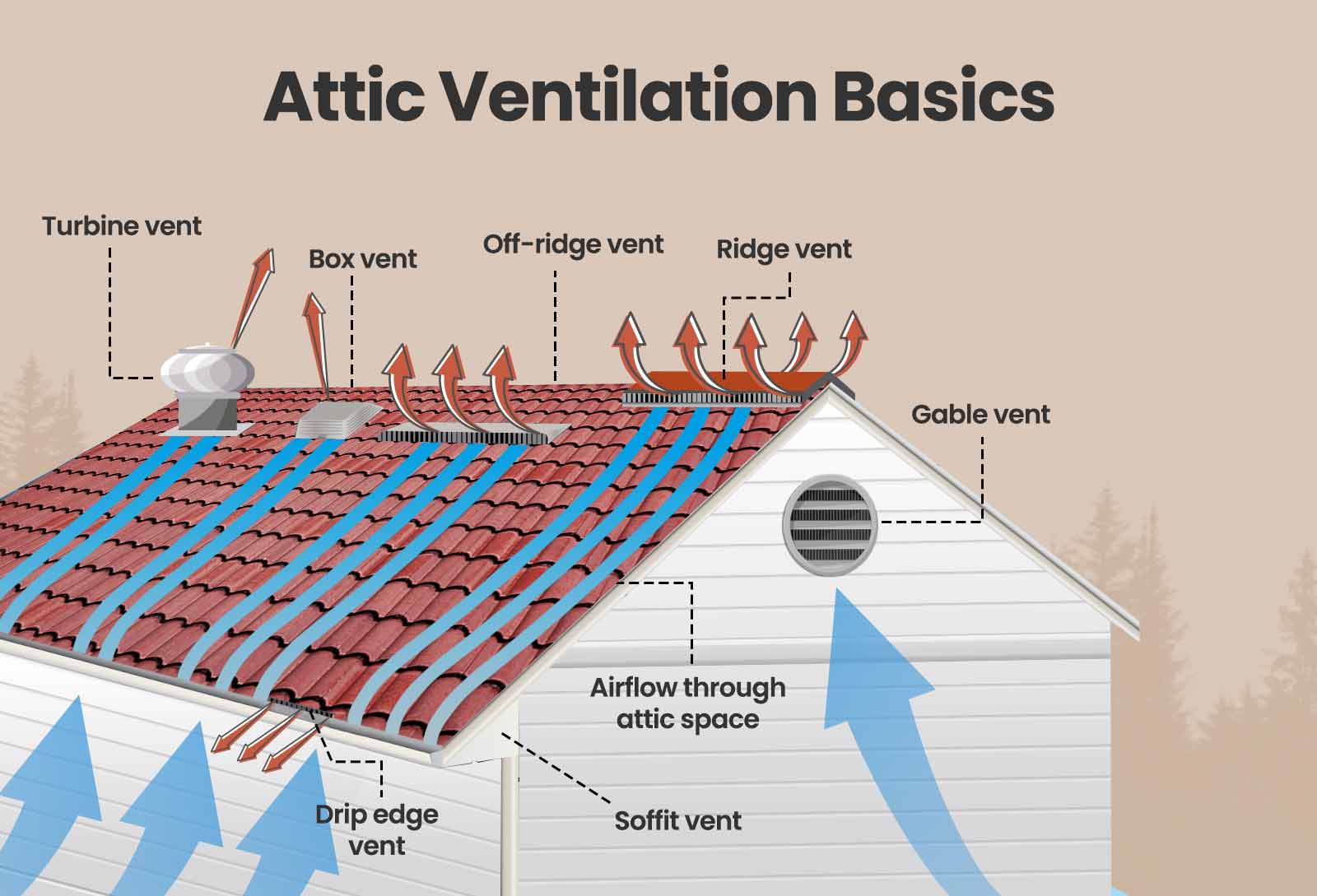
So, an attic fan's job is to create a negative pressure, pulling that scorching air out and drawing in cooler air from outside through your soffit vents (those little vents under the eaves of your roof). It’s like giving your attic a big, much-needed sigh of relief. Sounds great, right? On paper, it absolutely does.
The Attic: Your House's Sun-Baked Brain
Think of your attic as your house's brain, constantly baking in the sun. Without good ventilation, it just gets hotter and hotter. Imagine being trapped in a car with the windows up on a sunny day – that's your attic, only worse! The theory with attic fans is to prevent that intense heat from building up and cooking your ceiling, which then, in turn, heats up your rooms below.
For decades, people have sworn by these fans as a way to "vent" that heat right out. And it’s true that proper attic ventilation is absolutely crucial for your home’s health, not just for cooling but also for preventing moisture buildup and extending the life of your roof. But does active fan ventilation always translate to a cooler house?
Here's Where It Gets Interesting (and a Little Complicated)
Now, let's dive into the fascinating "but wait, there's a catch!" part. While removing super hot air from your attic sounds like a no-brainer, there are a few scenarios where an attic fan might actually be less helpful than you'd hope, or even, dare I say, a little counterproductive.
One of the biggest concerns comes into play if your house has an air conditioning system. When an attic fan is vigorously pulling air out of your attic, where does it get that replacement air from? Ideally, it should be drawing in outside air through your soffit vents. But if your attic isn't perfectly sealed off from the rest of your house (and let’s be real, most attics aren’t hermetically sealed!), that powerful fan can start pulling air from inside your cooled living space.
Imagine your attic fan is like a thirsty vacuum cleaner. If it can't find enough air from the proper outside vents, it'll happily suck up your expensively cooled, conditioned air right from your rooms below, through any little cracks, gaps, or poorly sealed light fixtures in your ceiling. That's like trying to cool your house by leaving the fridge door open – you're just throwing money and cool air out the window, or in this case, up into the attic!
Insulation and Air Sealing: The Unsung Superheroes
This brings us to the real heavyweights in the cooling game: insulation and air sealing. If your attic floor is properly insulated and the ceiling is well-sealed against air leaks, then the heat from the attic has a much harder time getting into your living space in the first place. Think of insulation as a cozy blanket for your house – it keeps the heat out in summer and in during winter. An attic fan trying to battle a poorly insulated, leaky ceiling is like trying to bail out a leaky boat with a teacup.
In homes with excellent insulation and proper air sealing, the impact of an attic fan on indoor temperatures might be minimal. Why? Because the insulation is already doing the heavy lifting, preventing much of that attic heat from ever reaching you. In these scenarios, the energy spent running the fan might not be worth the very slight temperature difference you gain downstairs.
So, Are They Ever a Good Idea?
Don't write off attic fans entirely just yet! They can still be quite useful in specific situations:
- Homes without AC: If you rely solely on natural ventilation or whole-house fans for cooling, an attic fan can help reduce the overall heat load on your home, making it more comfortable, especially during the shoulder seasons.
- Specific Climates: In areas with hot days but cooler nights, an attic fan might help purge the daytime heat faster, preparing your house for cooler evening air.
- Moisture Control: Beyond just heat, attic fans can help reduce moisture buildup, which is crucial for preventing mold and preserving your roof structure.
But even in these cases, it's often about supplementing other, more fundamental strategies. The real goal isn't just to move air; it's to create a well-ventilated, sealed, and insulated envelope for your home.

The Chill Verdict: It's Complicated!
Ultimately, whether an attic fan will "cool your house" isn't a simple yes or no. It's more like a "it depends on your house, your climate, and how well-sealed and insulated your attic already is!"
For most modern homes with central air conditioning, the focus should almost always be on maximizing your attic insulation and thoroughly sealing all air leaks between your living space and the attic. These are the unsung heroes that prevent heat from getting in and your cool air from escaping. They often provide a much bigger bang for your buck in terms of energy savings and comfort than an attic fan running all day.
So, the next time you hear that whirring sound or ponder the mysteries of attic fans, remember: they're part of a bigger puzzle. While they can play a role in attic ventilation, they're not usually the magic bullet for keeping your entire home cool. A thoughtful approach that prioritizes insulation and air sealing is often the coolest move you can make!