
Do 3d Printers Print In Color
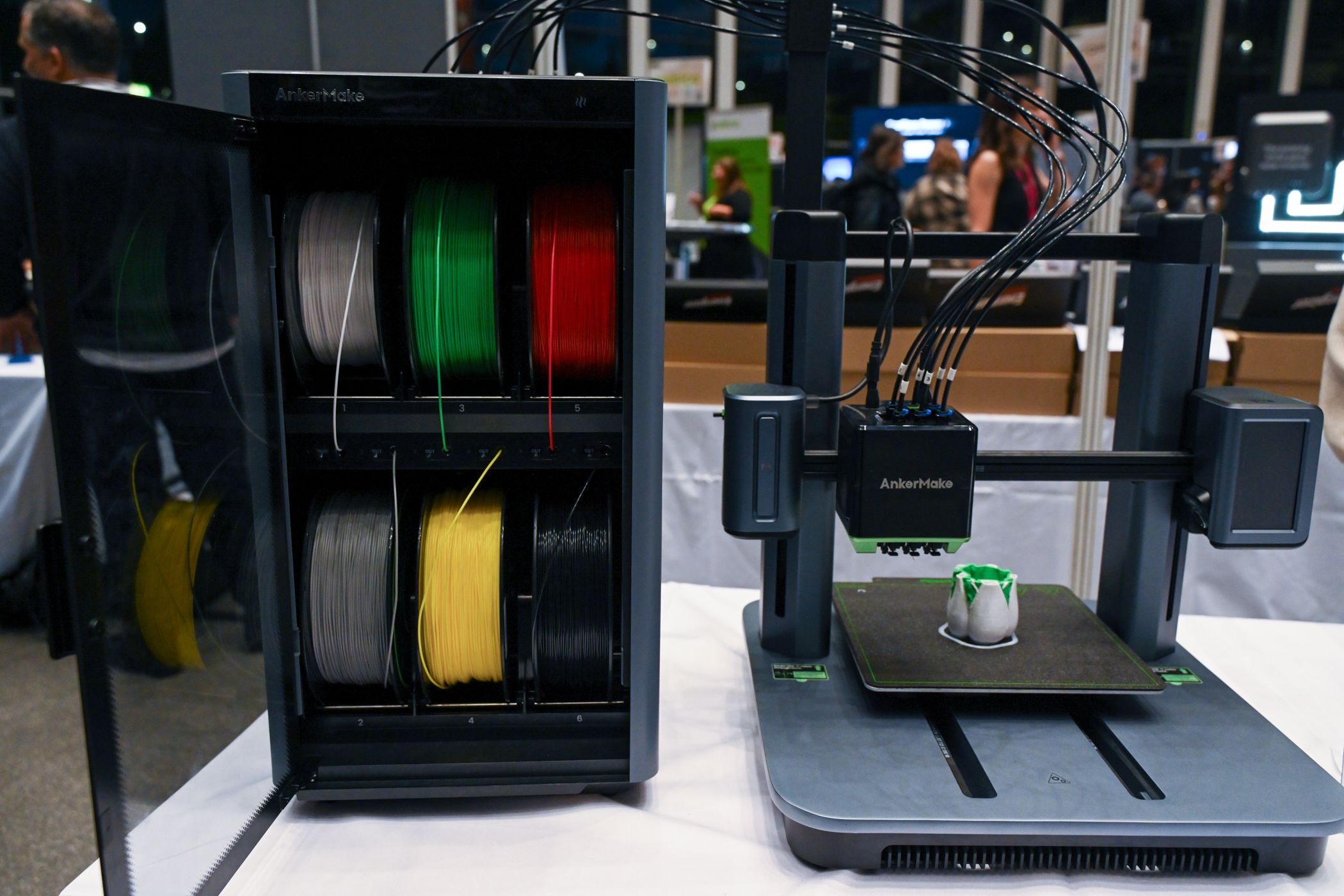
Okay, let's dive into one of those super fun, slightly brain-bending questions that pops up when you chat about 3D printers: Do they actually print in color? Like, do they spit out a rainbow of plastic just like your inkjet printer spits out a photo? Or is it all just... grey?
Spoiler alert! The answer is a resounding, enthusiastic, "YES, but it's deliciously complicated!" It's not always a simple push-and-print like your paper printer. Sometimes it's like a magic show, sometimes it's a bit of a manual jig, but it’s always fascinating.
The Humble Single-Color Start
For most folks just getting into the wild world of 3D printing, especially with those popular FDM (Fused Deposition Modeling) printers, the most common scenario is printing in one color at a time. Think of your printer as a master sculptor, but it only has one big, glorious crayon in its hand.
Must Read
Want a red rocket? Load red filament. Need a blue spaceship? Swap out the red for blue. It's literally a physical change of the material spool. This might sound a bit low-tech, right? But it’s incredibly effective!
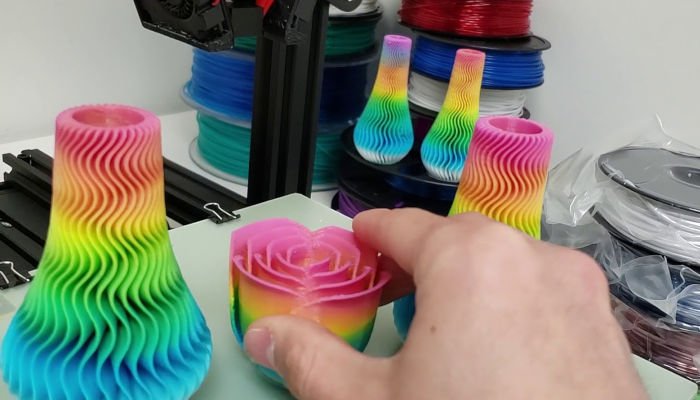
Here’s the quirky part: you can totally create multi-colored objects even with a single-color printer! How? By pausing your print mid-way. You hit stop, yank out the current color, feed in a new one, and then resume printing. It's like a mid-sculpture costume change! A bit of a manual dance, but suddenly your miniature traffic light can have a red top, yellow middle, and green bottom. Mind-blown!
Enter the Multi-Material Maestros
But wait, there's more! What if you want something a bit more seamless, without playing filament swap-meet? This is where the multi-material or multi-extruder printers strut onto the stage. These beasts are built for color coordination!
Some have multiple nozzles, each loaded with a different color. Imagine tiny robot arms, each ready to deploy a specific shade. Others use a clever system that feeds multiple filaments into a single hotend, mixing or switching them on the fly. It's like having a tiny, automated paint mixer inside your printer, ready to create a personalized color palette.
Suddenly, your miniature dragon can have vibrant green scales, fiery red wings, and a little blue sparkle in its eye, all in one go! No pauses, no frantic filament feeding. Just pure, multi-color joy. The complexity of these machines is a testament to human ingenuity – turning plastic spaghetti into intricate art, often with seamless color transitions or distinct color blocks. It’s like a mechanical magician at work!
The Pro-Level Color Bonanza
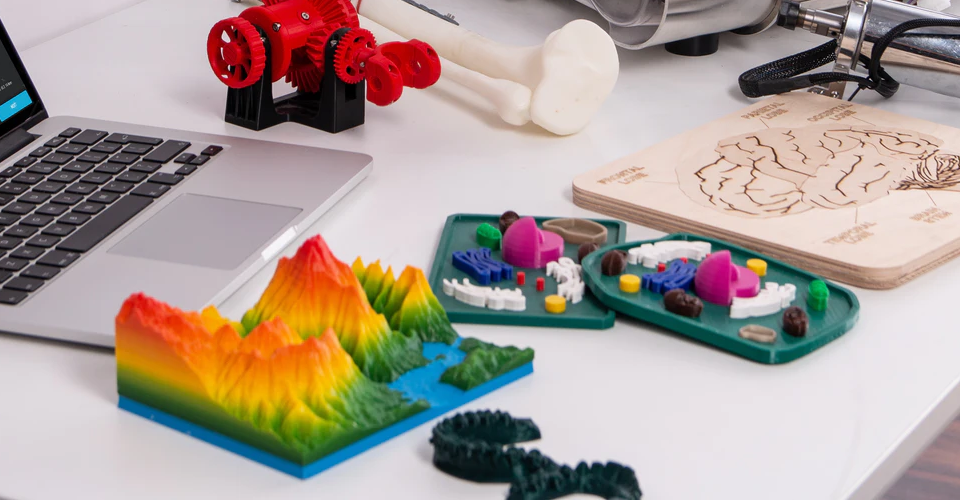
Alright, hold onto your hats, because now we’re cranking the color dial up to eleven. For the truly mind-blowing, photo-realistic color printing, we step into the realm of professional-grade printers. These are the big guns, often found in design studios, medical facilities, or for creating jaw-dropping prototypes.
First up, some use a powder-based system. Imagine a bed of super-fine white powder. The printer then precisely sprays a colored binder (think of it like glue with pigment!) onto the powder, layer by layer, building up your object. It’s like painting inside a sandcastle, but with incredible precision and a full spectrum of colors. The results are stunning, often with a slightly granular, sandstone-like finish. You can get anything from architectural models to incredibly detailed anatomical replicas, all bursting with color.
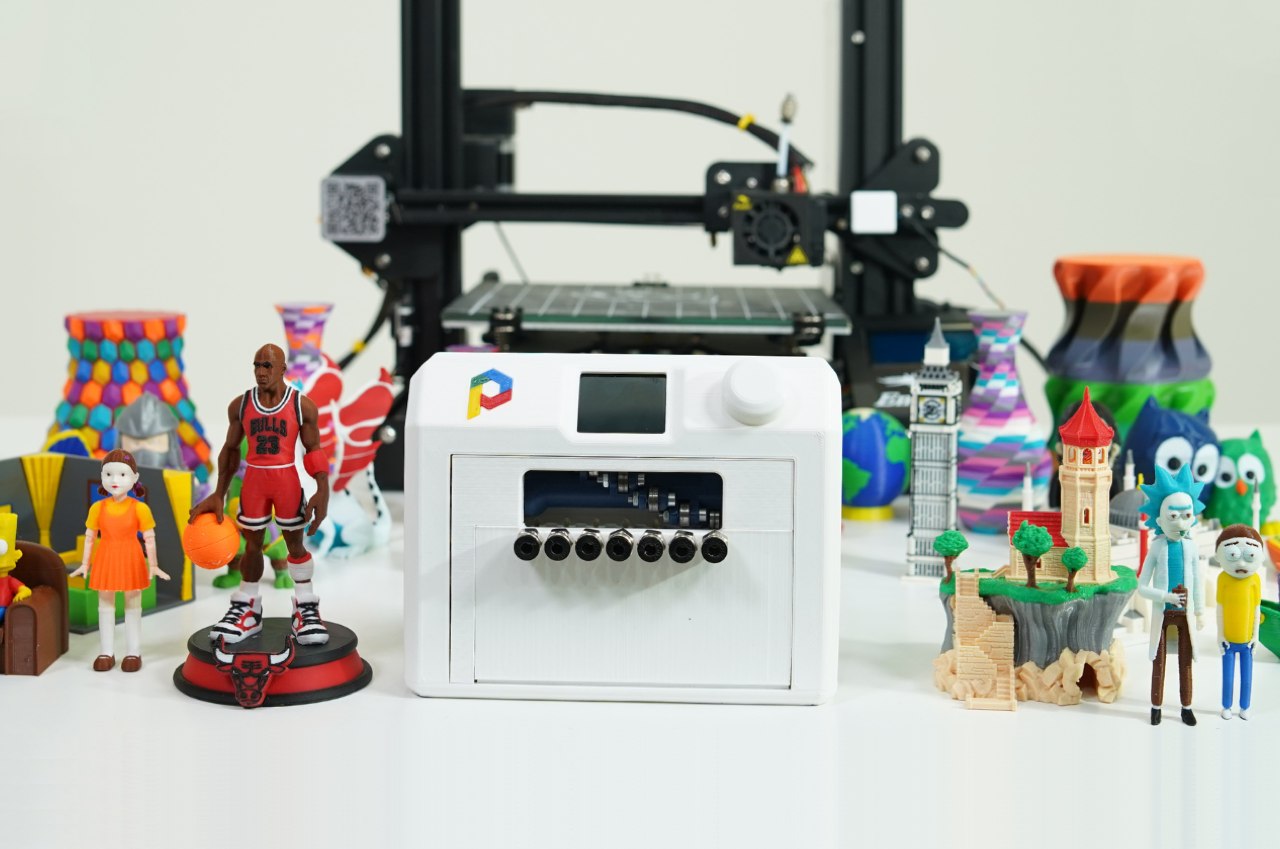
Then there are the absolute rockstars, like the Stratasys J-series printers. These machines are not just printing in color; they're printing in photo-realistic color. They jet multiple liquid resins, mixing them on the fly to create hundreds of thousands of colors (yes, really!). We're talking about models that look like they've been plucked straight from your computer screen, complete with accurate textures, transparencies, and color fidelity that will make your jaw drop to the floor. It's basically a magic show where your digital designs become physical, vibrant realities. Need a prototype that looks exactly like the final product, down to every subtle shade? These are your guys.
The Software Behind the Spectacle
Of course, none of this colorful wizardry happens without some serious brainpower. We're talking about slicing software that tells the printer exactly where each color goes. You design your object in glorious technicolor on your computer, and the software meticulously breaks it down, layer by layer, telling the printer when to swap, when to mix, and when to spray. It's like an incredibly detailed recipe for your 3D masterpiece, ensuring every hue lands precisely where it should.
Why All This Colorful Shenanigans Is So Awesome
So, why bother with all this delightful colorful complexity? Because it's absolutely awesome, that's why! Imagine printing personalized board game pieces that pop with personality, vibrant prototypes that truly convey your vision, anatomical models with different colored organs for clarity, or just the coolest, most eye-popping desk toys you can dream up.
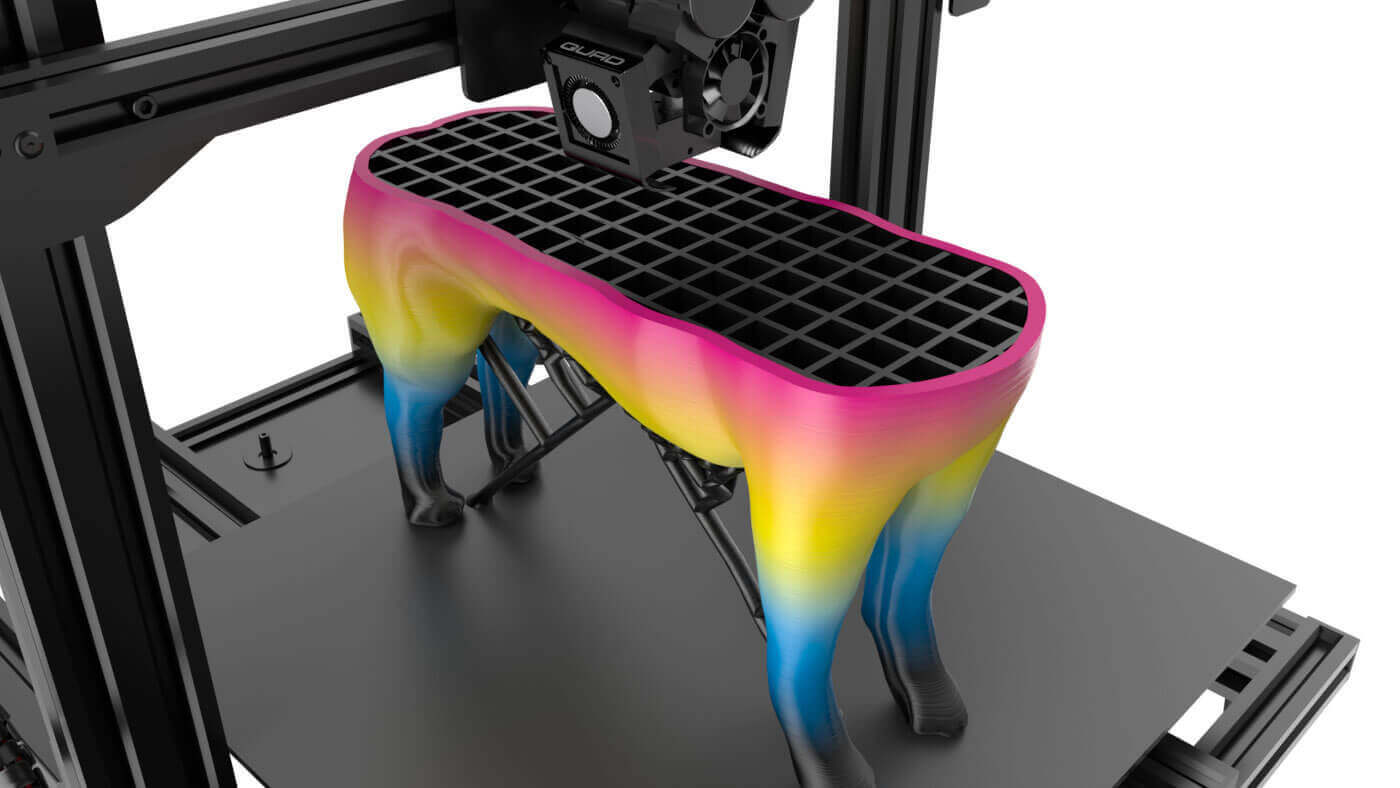
Color adds so much personality, so much pop! It transforms a simple shape into something truly expressive and engaging. It makes objects come alive and adds a whole new dimension to creativity and utility.
The Future is Bright (and Colorful!)
The good news? This incredible technology is getting smarter, faster, and more accessible every single year. What used to be exclusive to industrial giants is slowly but surely trickling down to more affordable desktop machines. Soon, truly vibrant, multi-color 3D printing might be as common as, well, printing a photograph! How cool is that?
So, the next time someone asks, "Do 3D printers print in color?" you can confidently puff out your chest and say, "Oh honey, you have no idea the colorful wonderland that awaits!" It's a spectrum of possibilities, and we're just getting started.