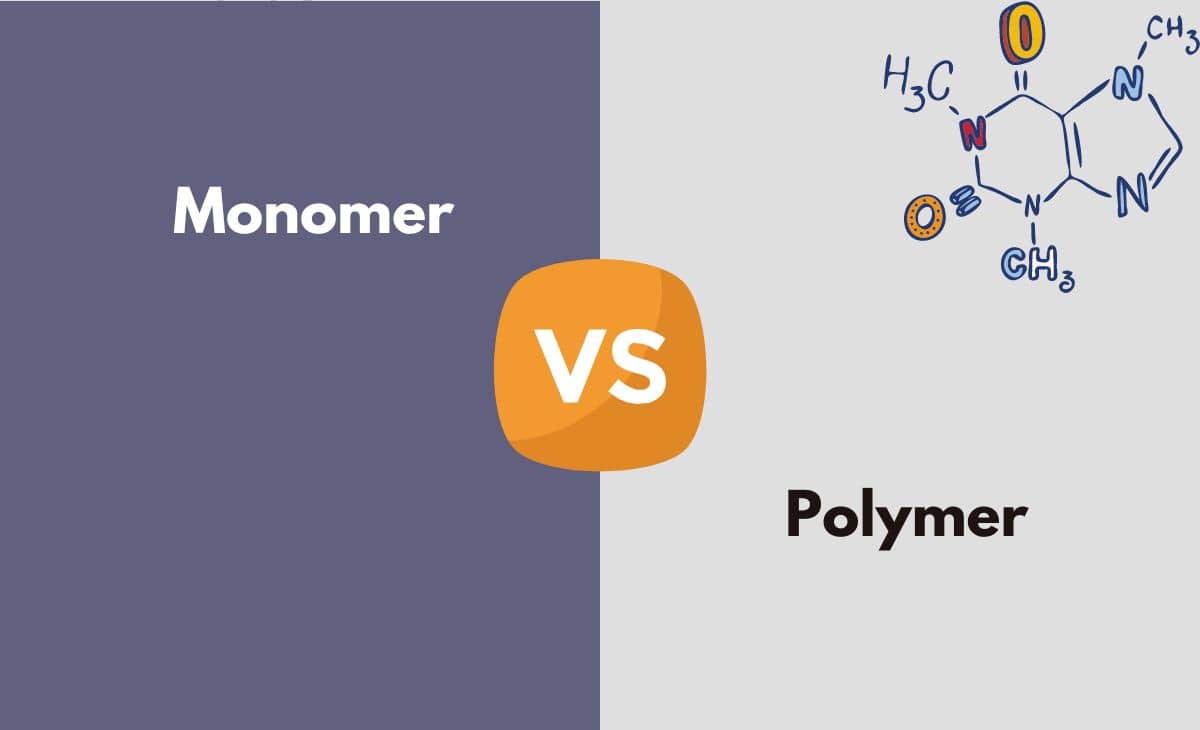
Distinguish Between A Monomer And A Polymer
Ever wondered what makes that bouncy ball so, well, bouncy? Or how your favorite LEGO bricks snap together with such satisfying precision? The answer lies in understanding two fundamental concepts in the world of materials: monomers and polymers. Don't let the scientific terms intimidate you! Thinking about monomers and polymers is like understanding the alphabet versus words and sentences – once you grasp the basics, a whole new world of creative possibilities opens up!
So, what's the big deal for artists, hobbyists, and casual learners? Imagine you're a sculptor. Knowing the difference between a single grain of sand (a monomer, in this analogy) and a sandstone rock (a polymer) helps you understand the potential and limitations of your material. For the 3D printing enthusiast, understanding polymer properties allows you to choose the right filament for a durable and flexible phone case versus a rigid and detailed miniature. Even for someone just curious about the world around them, recognizing monomers and polymers unlocks a deeper appreciation for the building blocks of everything from the clothes we wear to the food we eat.
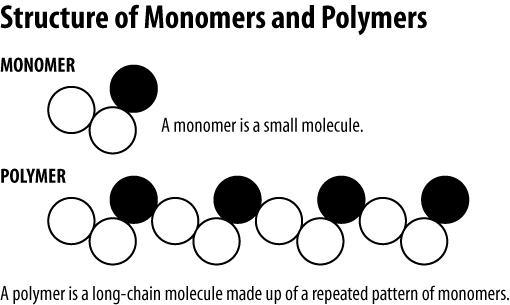
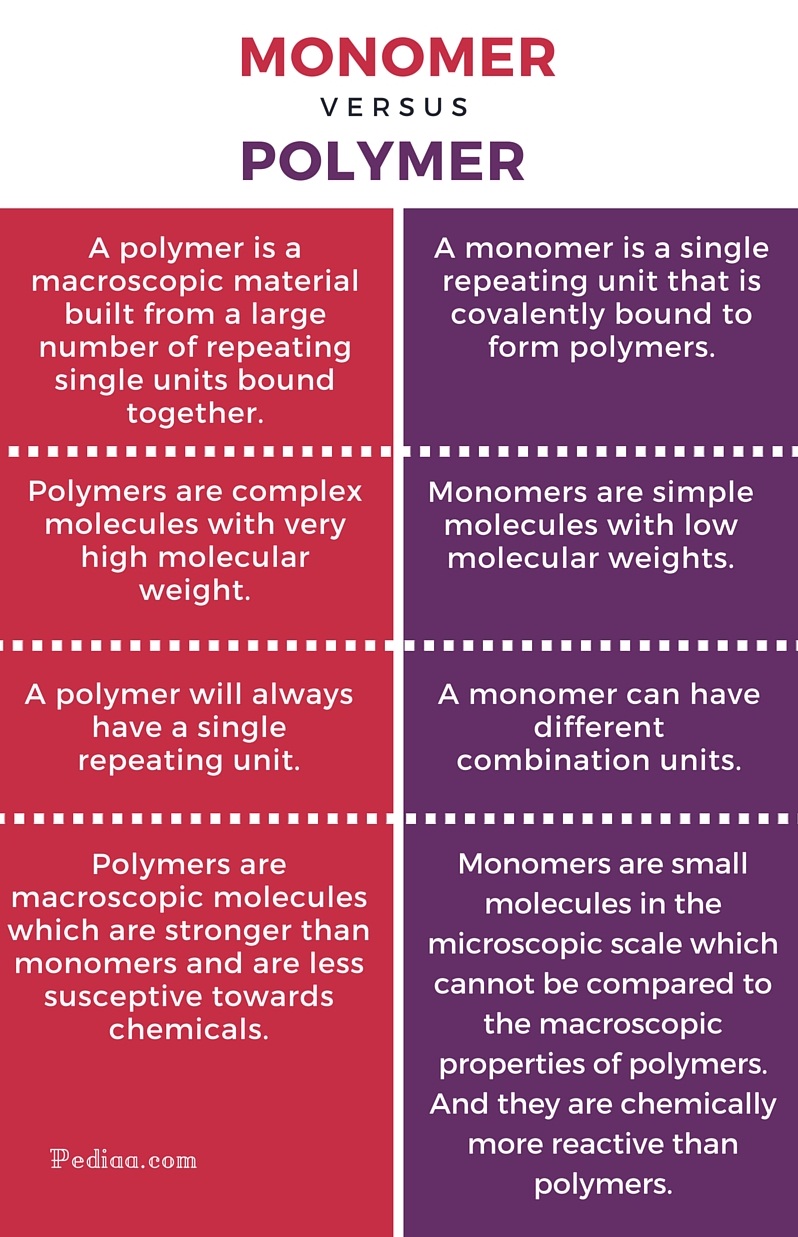
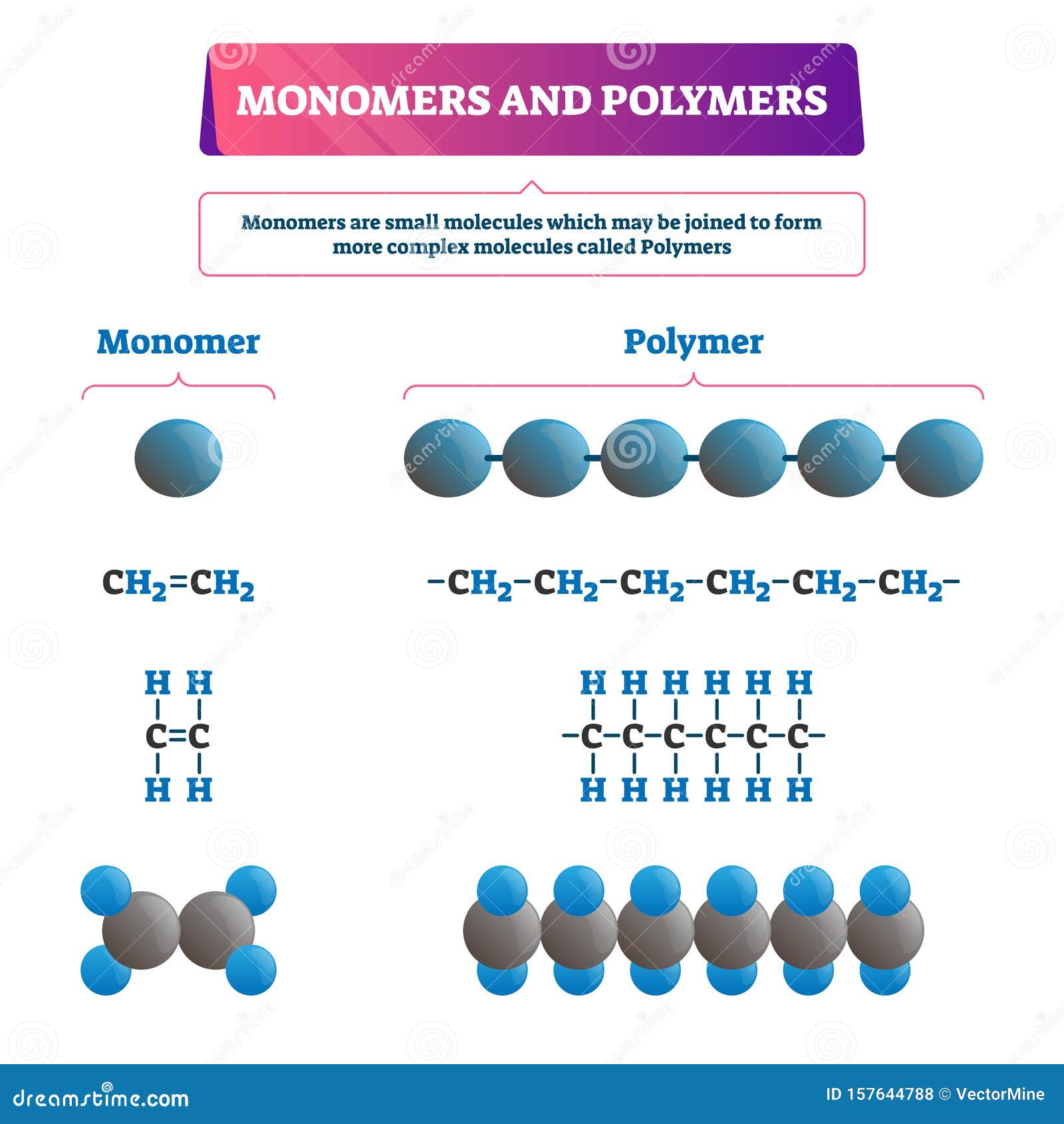
Let's break it down. A monomer is a single, small molecule. Think of it as a lone brick. A polymer, on the other hand, is a long chain of these monomers linked together. It's like a wall built from those bricks. Common examples are everywhere. In the art world, acrylic paint is made of acrylic polymers, giving it its flexibility and durability. Natural polymers are all around us too! Cotton is made of cellulose, a polymer of glucose monomers. Silk is composed of amino acid polymers. Even your DNA is a polymer!
Must Read
Consider different styles. Imagine a chain of simple, repeating monomers – that's like a basic, symmetrical pattern. Now picture that same chain with different types of monomers added in specific sequences – that's like a complex, abstract design. The variations are endless. Think of different types of plastics: polyethylene (used in plastic bags) is a simple polymer, while polycarbonate (used in shatter-resistant windows) is a stronger and more complex polymer.
Want to experiment with monomers and polymers at home? While you won't be synthesizing new materials in your kitchen (leave that to the professionals!), you can observe their properties. Try this: mix cornstarch (a natural polymer) with water. It creates a non-Newtonian fluid that acts like a solid when you apply pressure and a liquid when you don't. That's polymer behavior in action! Another easy experiment is observing the difference between a single grain of sugar (a monomer, fructose or glucose) and melted sugar (a simple polymer). Notice how the properties change as the individual units link together.
Understanding monomers and polymers isn't just about science; it's about unlocking a deeper understanding of the world's building blocks and fostering creative inspiration. It allows you to appreciate the intricate designs of nature, the ingenuity of engineered materials, and the endless possibilities for artistic expression. Plus, it’s incredibly satisfying to finally understand what that long, complicated word in your science textbook actually means!