Disadvantages Of Using Coal As An Energy Source

Let's be honest, talking about energy sources doesn't usually top the list of fun things to do. But stick with me! Understanding where our power comes from – and the good and bad of it – is super important. It affects everything from the air we breathe to the price of, well, everything! Today, we're diving into the world of coal, a fuel that’s been powering our world for centuries, but not without some serious baggage. Think of it like that old, reliable car you love, but it guzzles gas, belches smoke, and might just break down at any minute.
The purpose of this discussion is simple: to understand the drawbacks of relying on coal as a primary energy source. While it's been a reliable workhorse for decades, its downsides are becoming increasingly clear and impacting our planet and our health. By understanding these disadvantages, we can have informed conversations about cleaner, more sustainable energy alternatives.
So, what makes coal a less-than-ideal energy partner? Buckle up, because here are some of the biggest issues:
Must Read
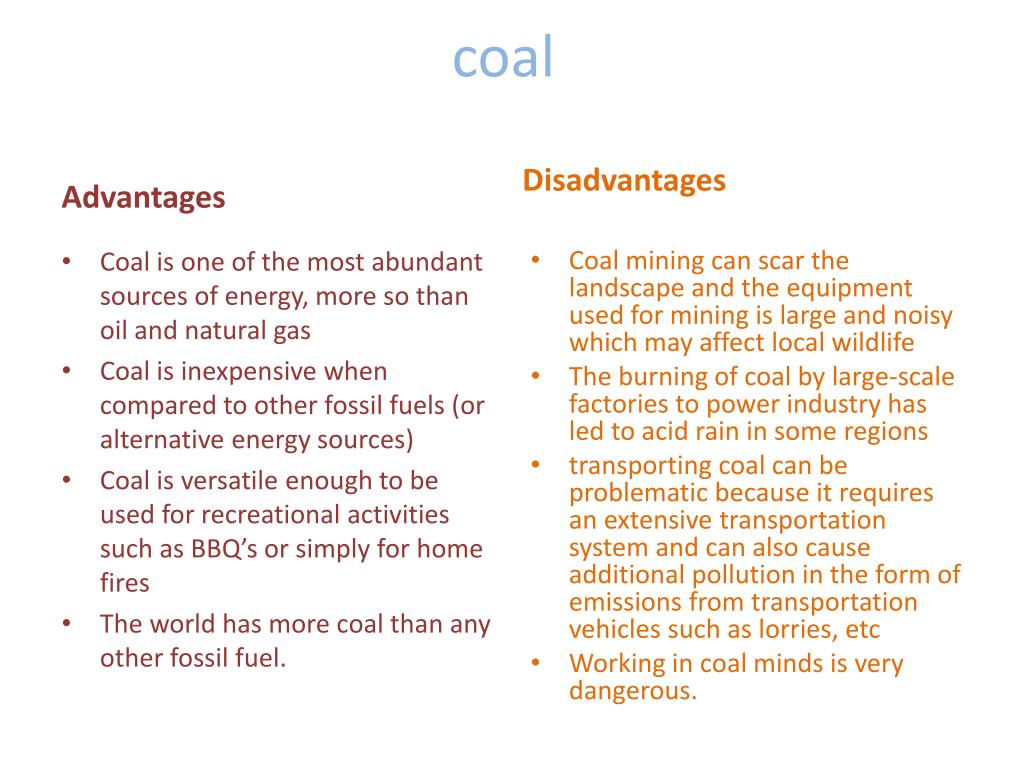
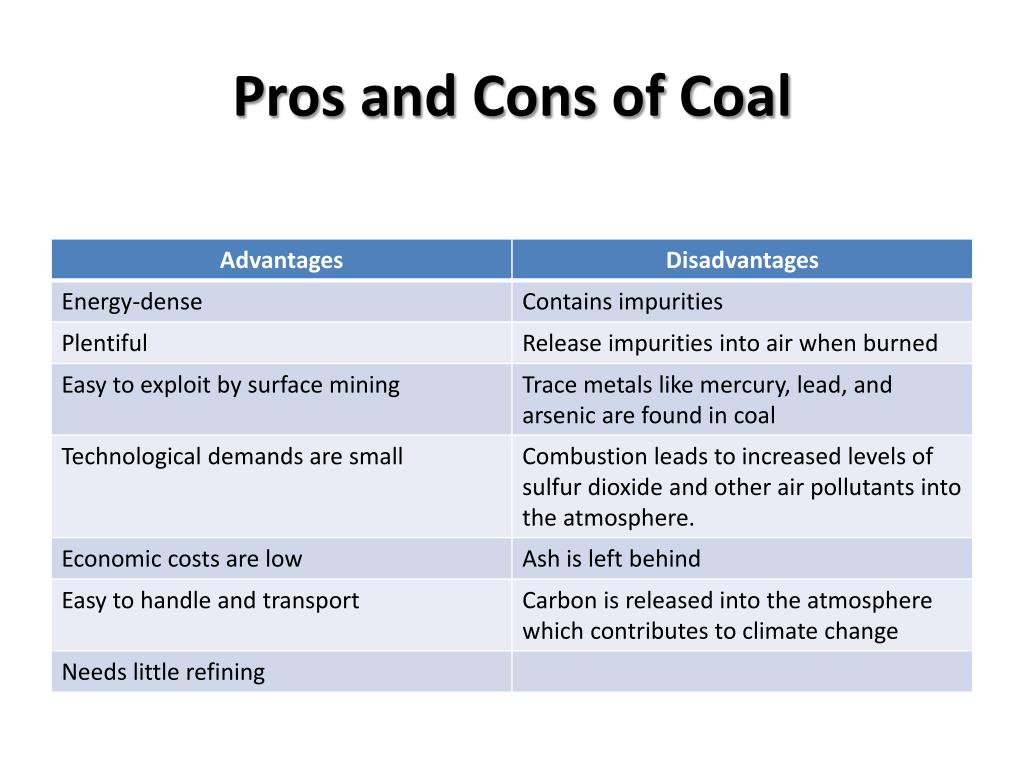
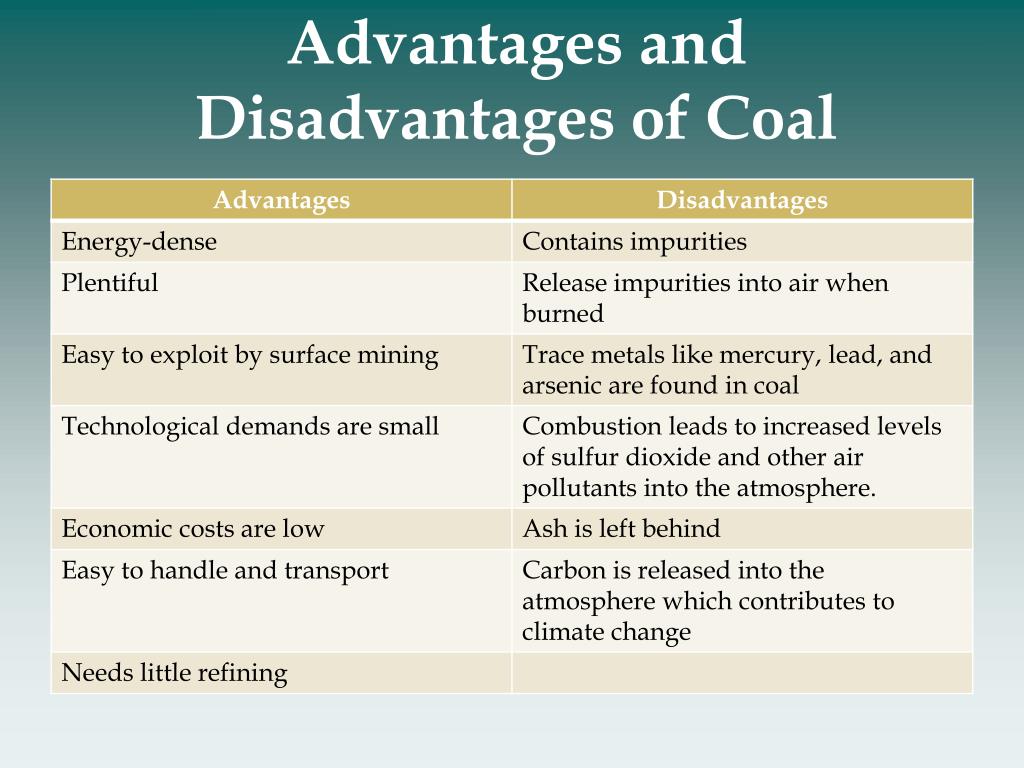
First up: Pollution, pollution, pollution! Coal-fired power plants are major emitters of air pollutants. We're talking about sulfur dioxide (SO2), nitrogen oxides (NOx), and particulate matter (PM2.5), all of which contribute to acid rain, smog, and respiratory problems like asthma. Imagine breathing in tiny particles of soot – not fun, right? These pollutants can also travel long distances, affecting air quality far beyond the power plant itself.
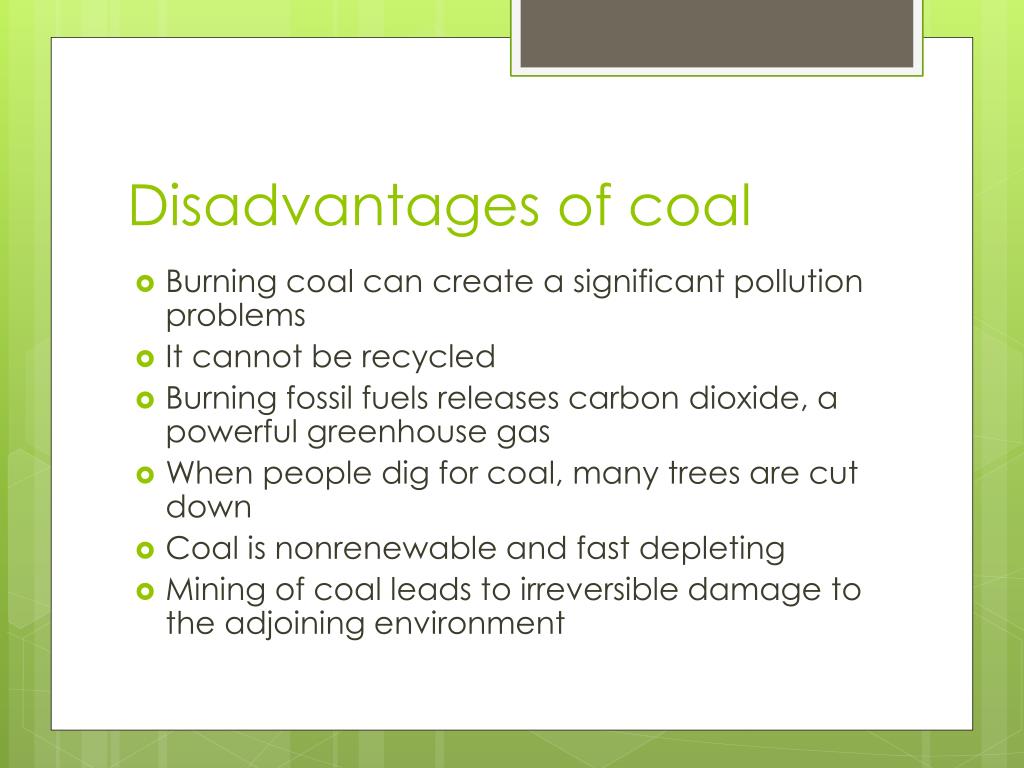
Next, let's talk about greenhouse gases. Burning coal releases massive amounts of carbon dioxide (CO2), the leading culprit behind climate change. This contributes to global warming, leading to rising sea levels, extreme weather events, and disruptions to ecosystems. It's like turning up the thermostat on the whole planet, and nobody wants that!
Then there's the environmental impact of mining. Whether it's strip mining (digging up coal near the surface) or underground mining, coal extraction can devastate landscapes, destroy habitats, and pollute waterways. Imagine large swathes of land being completely transformed, leaving behind scars that can take decades to heal. Plus, mining can release methane, another potent greenhouse gas trapped within the coal seams.
Let's not forget about health risks for miners. Working in coal mines is dangerous. Miners face the risk of accidents, black lung disease (a respiratory illness caused by inhaling coal dust), and other health problems. It’s a tough and demanding job with significant health consequences.
Finally, consider the waste disposal. Burning coal produces ash, which contains heavy metals and other toxic substances. This ash needs to be disposed of, and if not managed properly, it can contaminate soil and water sources. Imagine piles of toxic waste leaching into the ground – definitely not something you want near your drinking water!
In conclusion, while coal has served its purpose, its disadvantages are undeniable. The environmental damage, health risks, and contribution to climate change make it clear that we need to transition to cleaner, more sustainable energy sources. Understanding these drawbacks is the first step towards a brighter, healthier future. It’s time to ditch the old gas-guzzler and embrace a cleaner ride!