Disadvantages Of Non Renewable Energy Resources
Hey there! Ever wondered where the power that lights up your home, charges your phone, and fuels your car really comes from? It's a fascinating journey that often leads us to a place called non-renewable energy. Why should you care? Because understanding where our energy comes from helps us make smarter choices about the future of our planet! Think of it like knowing the ingredients in your favorite snack - wouldn't you want to know if it's full of good stuff, or things that might not be so great for you?
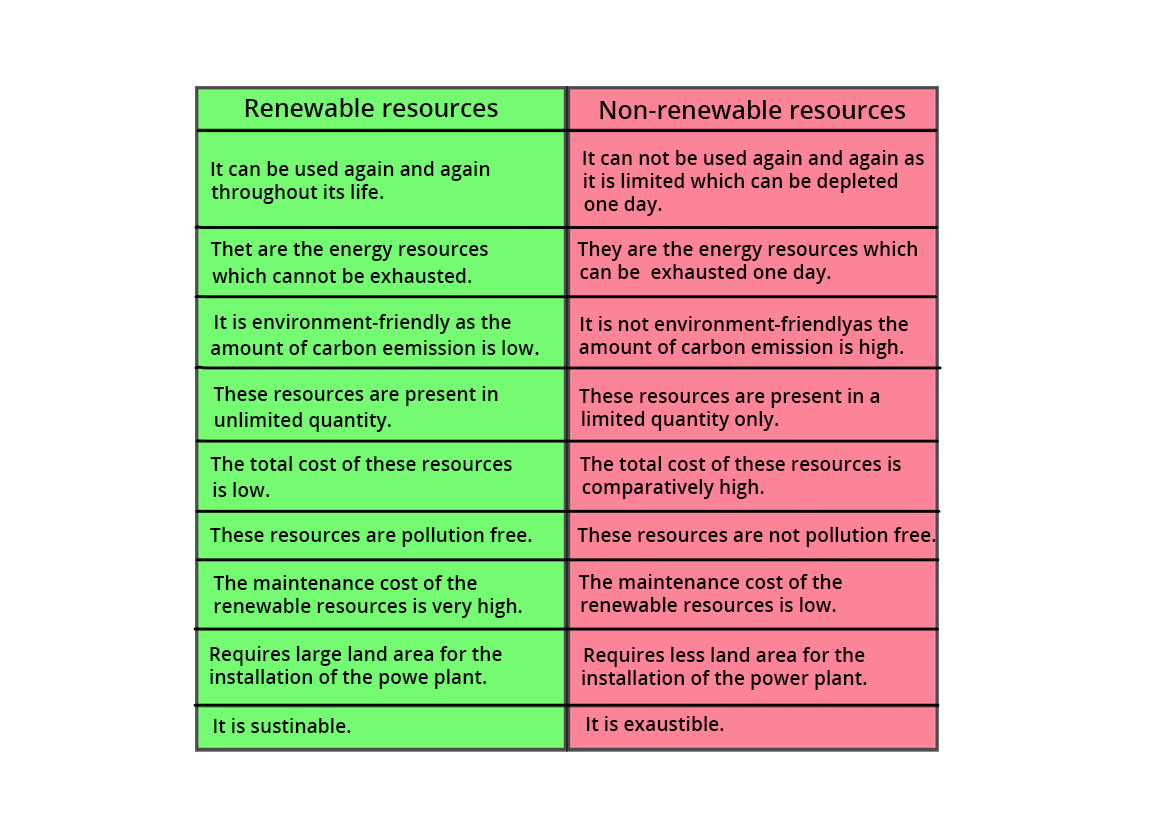
So, what exactly are non-renewable energy resources? They're basically energy sources that exist in limited quantities. Once we use them up, they're gone – poof! It's like that limited-edition video game you finally get your hands on, only to find out you can't buy another one when you're done playing. These resources were formed over millions of years, and we’re using them up much faster than they can be replenished by nature.
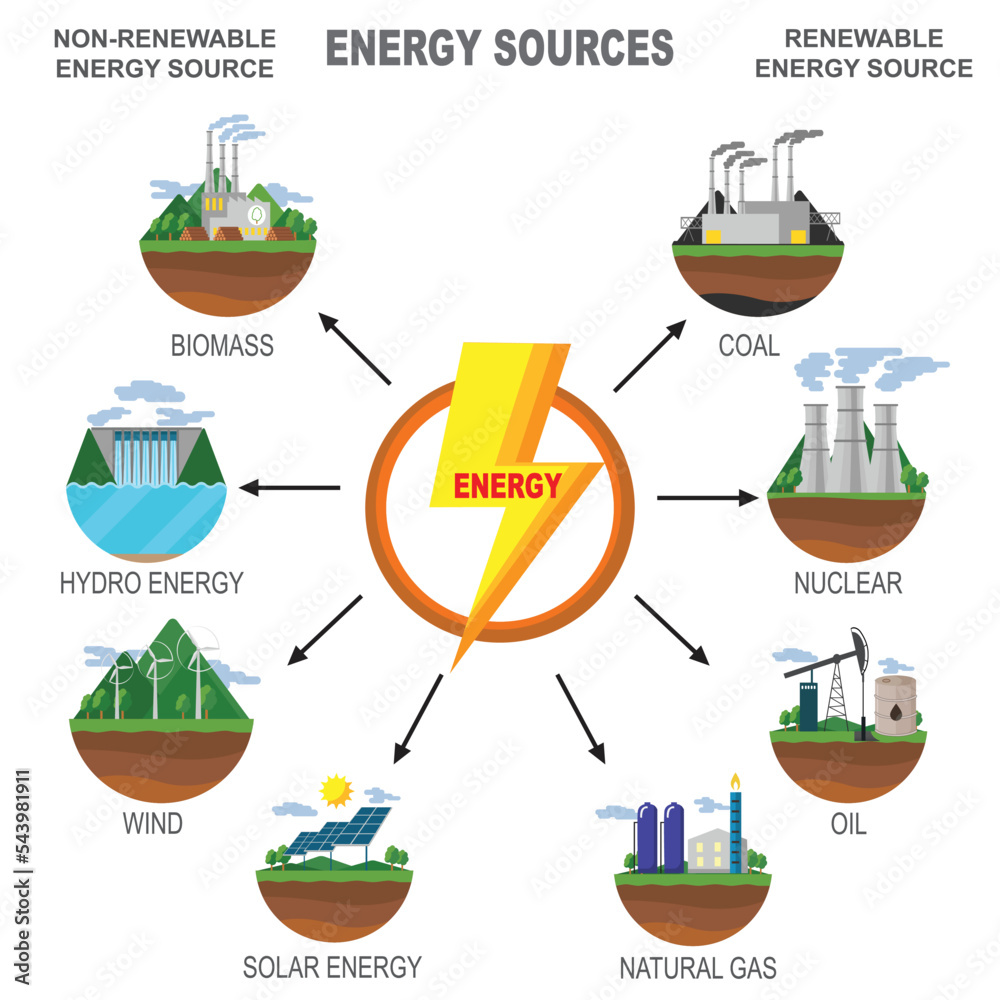
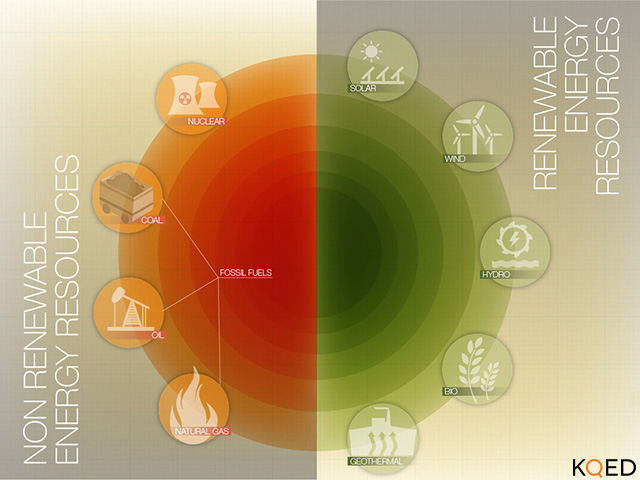
The main benefit of using them? Well, for a long time, they've been relatively cheap and readily available. This is why they've powered industrial revolutions and modern society as we know it. We use non-renewable energy all the time! Think of the gasoline you put in your car (derived from oil), the electricity powering your TV (often generated by burning coal or natural gas), or the heating in many homes (fueled by natural gas or oil). In education, schools often use examples of power plants fueled by these sources to teach about energy production and consumption.
Must Read
But here's the thing: while convenient, there are some pretty significant downsides. One of the biggest is pollution. Burning fossil fuels (like coal, oil, and natural gas) releases greenhouse gases into the atmosphere, contributing to climate change, which brings with it all sorts of problems like rising sea levels, extreme weather events, and disruptions to ecosystems. It's kind of like smoking; it might feel good in the short term, but the long-term consequences can be pretty damaging.
Another major drawback is that these resources are finite. Eventually, we're going to run out of them. Imagine trying to bake a cake with only half a cup of flour; you'll eventually need to find a different recipe! This scarcity can lead to political instability and conflicts over access to resources. The cost of extracting these resources can also increase as they become harder to find, impacting the economy.
Furthermore, extracting and transporting these fuels can have devastating environmental consequences. Oil spills, coal mining that destroys landscapes, and fracking that can contaminate water supplies are just a few examples. These activities disrupt ecosystems, harm wildlife, and negatively impact human health. It's like leaving a trail of trash behind you after a picnic; it spoils the beauty of the natural world.
So, what can you do? Start by becoming more aware of your own energy consumption. Unplug chargers when they're not in use, turn off lights when you leave a room, and consider walking, biking, or using public transportation instead of driving. Support policies and initiatives that promote renewable energy sources. Even simple things like learning more about where your electricity comes from or calculating your carbon footprint can make a difference. It's all about being a conscious consumer and thinking about the bigger picture. Let's work together to create a more sustainable and brighter future for everyone!