
Disadvantages And Advantages Of Tidal Energy
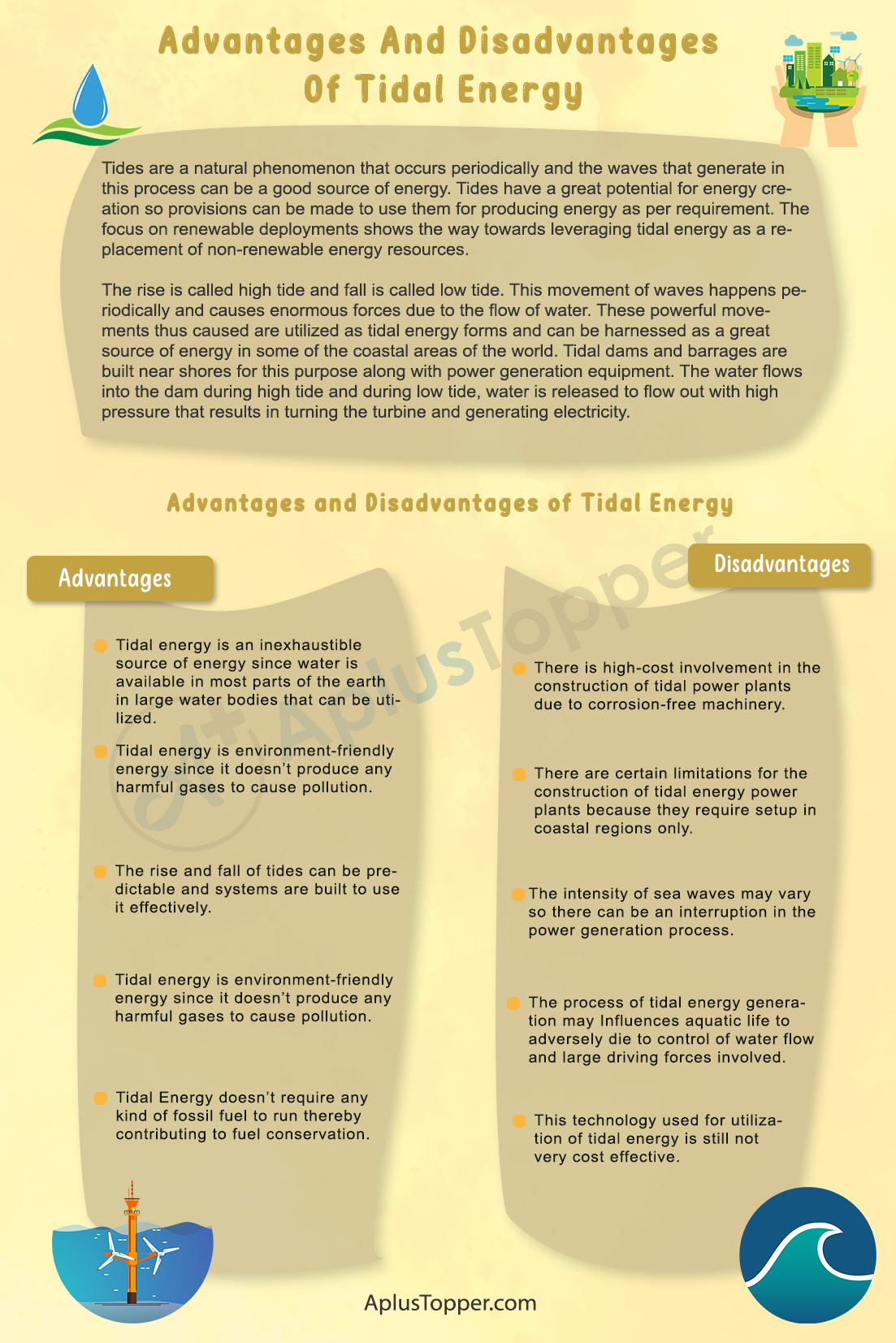
Okay, so picture this: I'm on vacation, right? Coastal town, adorable little place. But every six hours, like clockwork, the tide completely transforms the scenery. One minute you're strolling on a wide beach, the next, your toes are getting nipped by the incoming waves. It got me thinking – all that powerful movement, all that consistent rise and fall… what if we could harness that energy? Enter: Tidal Energy. But is it all smooth sailing? Let's dive in.
The Upsides: Riding the Wave of Benefits
Let’s start with the good stuff. Tidal energy boasts some seriously attractive advantages:
Predictability is its superpower. Unlike solar or wind power which depend on, well, the sun and the wind (duh!), tides are highly predictable. We know exactly when high and low tides will occur years in advance. That means a reliable, consistent energy source we can actually plan around. Isn’t that neat?
Must Read
Renewable and Clean. This one’s a no-brainer. Tidal energy is a renewable resource. It’s powered by the gravitational pull of the moon and sun (thanks, celestial bodies!). No fossil fuels burned, no greenhouse gases spewed into the atmosphere. A big win for Mother Earth! (And future generations. Let's not forget them).
High Energy Density. Water is way denser than air. So, tidal energy systems can generate more power from a smaller area compared to wind turbines. More bang for your buck, so to speak.
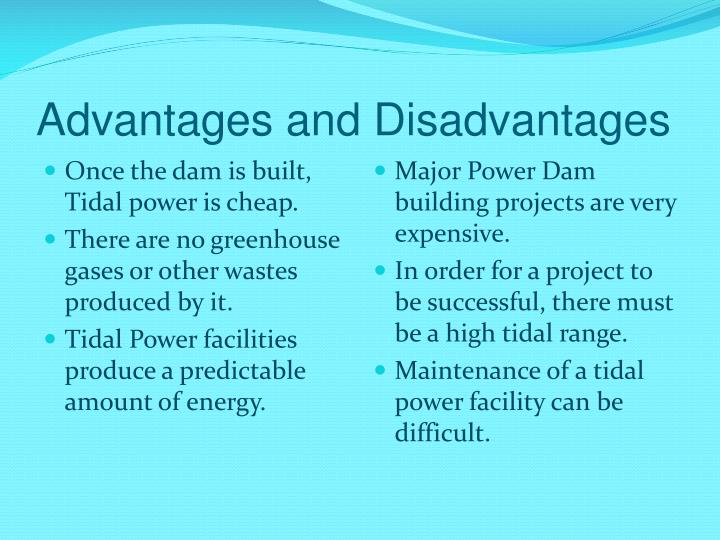
Long lifespan. Tidal energy infrastructure is generally built to last. We’re talking decades of operation with proper maintenance. So, while the initial investment might be significant, the long-term payoff can be pretty substantial.
The Downsides: Turbulence Ahead?
Now, before you start picturing tidal-powered cities, let's talk about the challenges. Every rose has its thorns, and tidal energy is no exception:
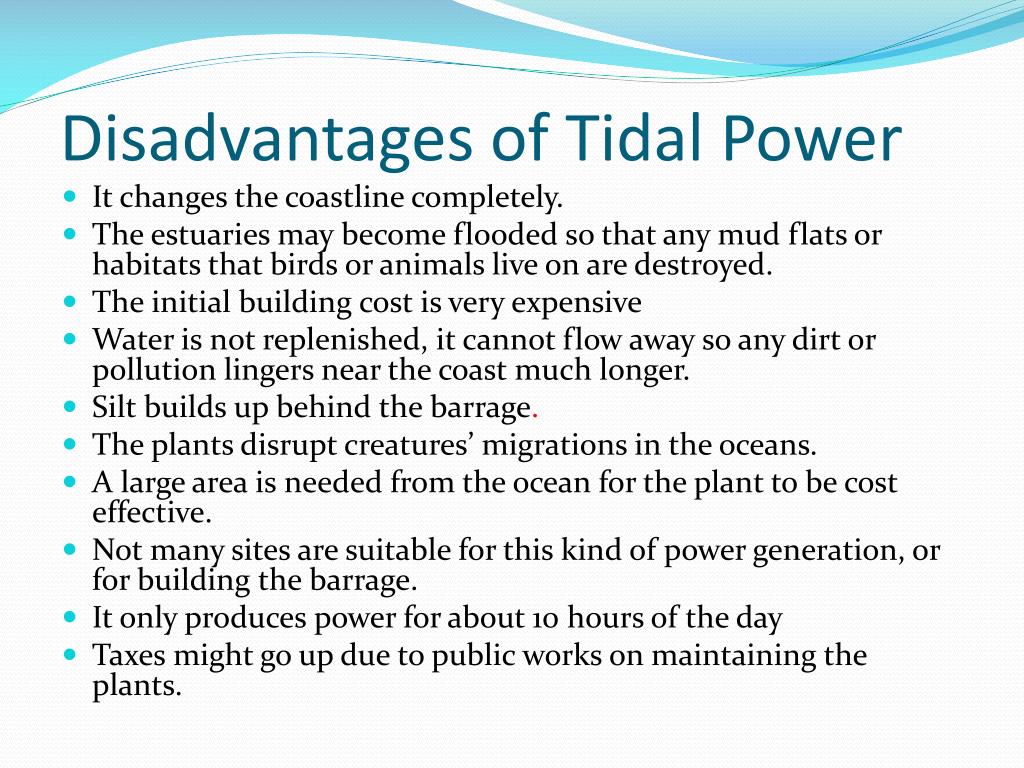
Environmental Impact. This is a big one. Tidal barrages (dam-like structures across estuaries) can drastically alter ecosystems. They can disrupt fish migration patterns, impact marine habitats, and change water quality. We need to be super careful about minimizing these negative effects. (Nobody wants unhappy sea creatures, right?).
High Initial Costs. Building tidal energy plants is expensive. We're talking serious upfront investment for construction, infrastructure, and ongoing maintenance. This can be a major barrier to widespread adoption. (And a headache for investors, I imagine).
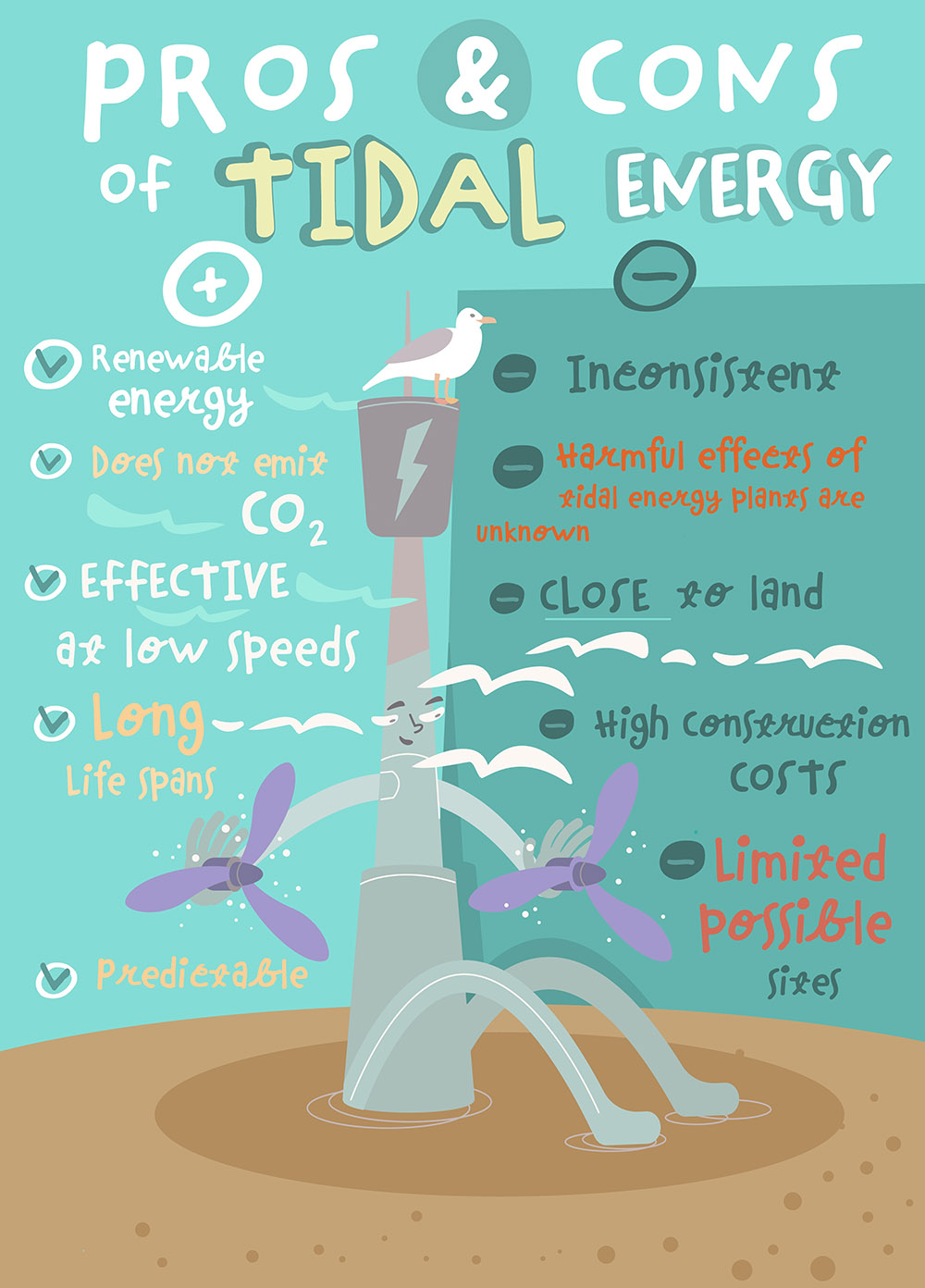
Location, Location, Location. Tidal energy systems need specific geographical locations to work efficiently. Areas with significant tidal ranges (the difference between high and low tide) are required. Not every coastline is suitable. This limits where we can actually implement this technology. (Sadly, my landlocked state is out of the running. Bummer).
Intermittency (to some degree). While tides are predictable, energy generation isn't always constant. There are periods of slack tide when water flow is minimal, and therefore, little to no energy is produced. We need energy storage solutions to deal with these lulls. Think giant batteries, or other innovative ways to store excess energy. The technology is still developing, though!
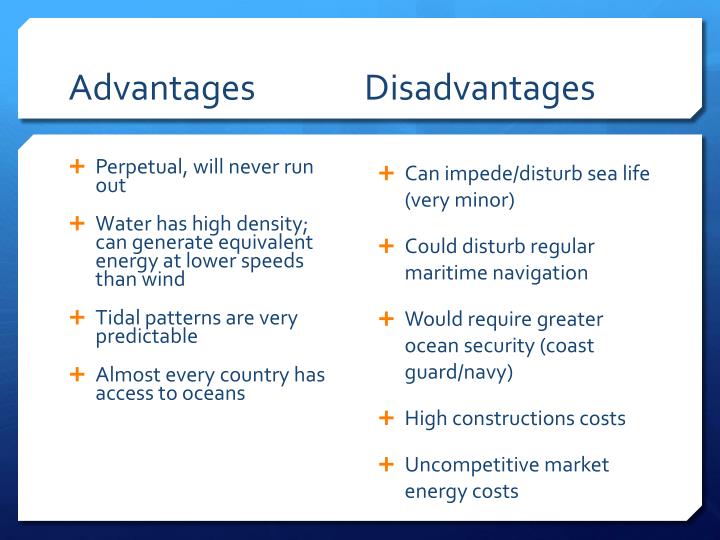
Navigation Hazard. Underwater turbines or barrages can pose a risk to ships and other marine vessels. Clear navigation channels and safety measures are crucial to prevent accidents. Safety first, always!
The Verdict? A Mixed Bag, but Full of Potential
So, where does that leave us? Tidal energy is a promising renewable energy source with the potential to play a significant role in our future energy mix. However, it’s not a perfect solution. The environmental impacts and high costs are major hurdles that need to be addressed through careful planning, technological innovation, and further research.
Ultimately, I believe that with the right approach, we can harness the power of the tides responsibly and sustainably. It's a wave worth riding, but we need to navigate it carefully.