Direction Of Fan In The Summer
Ah, summer! That glorious time of year filled with sunshine, ice cream, and the undeniable urge to spend every waking moment trying to not melt. We crank up the AC, guzzle iced drinks, and often, we turn to our trusty fans. They whir, they hum, they promise relief. But have you ever stopped to think about which way that fan is actually pointing? It might sound like a tiny detail, but trust me, understanding a fan's directional mojo can be the difference between a sweltering night and a surprisingly breezy slumber.
Most of us, instinctively, point the fan directly at ourselves. It's like a primal response to heat: "Hot! Fan! Point at me!" And honestly, who can blame us? That immediate gust of air feels like a personal hug from a polar bear. But here's the kicker: while it feels good, it's often just moving the same hot air around the room. Imagine stirring a big pot of hot soup – stirring doesn't make the soup cold, right? It just circulates the warmth. Your direct fan, in a sealed, already-hot room, is doing something similar: it's making the hot air move, which cools your skin through evaporation, but it’s not actually making the room cooler. It’s a bit like having a tiny, personal wind tunnel that’s mostly just having a good old chat with itself.
The Direct Breeze: Your Personal Lifesaver (Sometimes)
So, when is pointing it directly at you the best bet? Mostly when you need instant, personal relief. You've just walked in from a scorching run, or you're cooking up a storm in the kitchen, and you need to cool down right now. Or perhaps you’re sitting right next to an open window, and the fan is helping pull in some cooler, fresher air and direct it towards you. In these moments, that direct blast is your best friend. It’s like having a little cloud of cool-ish air that follows you around. It's about cooling you, not necessarily the whole room.
Must Read
The Exodus of Hot Air: Pointing it OUT
Now, here's where things get strategic, and dare I say, a little bit clever. Imagine your house is a giant lung, and that lung is full of stale, hot air. What do you do? You breathe it out! This is where you point your fan out an open window. Instead of blowing air into the room, the fan is now actively sucking the hot air out of it. This creates a clever little vacuum effect inside your home, pulling in cooler air from other open windows or doors. It’s like giving your house a refreshing sigh of relief.
This method is particularly brilliant in the evenings when the outside air finally dips below the indoor temperature. Suddenly, your fan isn't just a noisy ornament; it's a mighty hot-air exorcist! You're actively removing the heat source, creating actual air turnover. You're not just moving hot air around; you're getting rid of it. Think of it as hitting the "eject" button on all that stifling warmth that's been cooking in your house all day.

The Grand Entrance: Pointing it IN
And then there's the flip side: pointing your fan into an open window. This works wonders when the air outside is genuinely cooler than the air inside, usually during those lovely cool summer mornings or late evenings. Here, your fan becomes a welcoming committee, ushering in all that delightful, crisp air and pushing it into your rooms. It’s like inviting the cool evening breeze in for a cup of tea and a good chat. This is fantastic for flushing out stuffy rooms and bringing in fresh oxygen.
The key here is understanding the temperature difference: if it’s blazing hot outside, pointing a fan in will just bring in more blazing hot air. No thank you! But when that temperature dips? It's a game-changer for ventilation and natural cooling.
The Master Move: Cross-Ventilation!
For the truly savvy summer dwellers, combining these methods is where the magic happens. This is called cross-ventilation. Set up one fan pointing out an upstairs window to exhaust the hot air that naturally rises. Then, open a downstairs window (ideally on the opposite side of the house) and place another fan pointing in to draw in cooler air. Voila! You've created a mini wind tunnel through your home, circulating fresh, cooler air and pushing out the old, stagnant heat. It's like giving your whole house a refreshing internal breeze, making it feel less like a stuffy oven and more like a breezy oasis.
Why Should You Even Care, Anyway?
So, why bother with this fan feng shui? It's simple: comfort, efficiency, and sleep. Understanding how to use your fan smartly means you can:
- Feel genuinely cooler: Not just for a moment, but by actually lowering the ambient temperature of your space.
- Save energy: By optimizing your fan, you might not need to blast the AC as much, leading to lower electricity bills. Hooray for your wallet!
- Sleep better: A properly cooled and ventilated room can significantly improve the quality of your sleep, meaning you wake up feeling refreshed instead of a sticky mess.
- Enjoy your home more: Your living space becomes a pleasant retreat, rather than a place you dread when the sun is high.
Next time you grab that fan, take a moment to consider its mission. Is it just for a personal gust, or is it going to be a strategic player in your home's fight against summer heat? Experiment! Open some windows, point that fan in different directions, and feel the difference. You might just discover that your humble fan is a much more powerful summer ally than you ever imagined. Go forth and fan smarter!
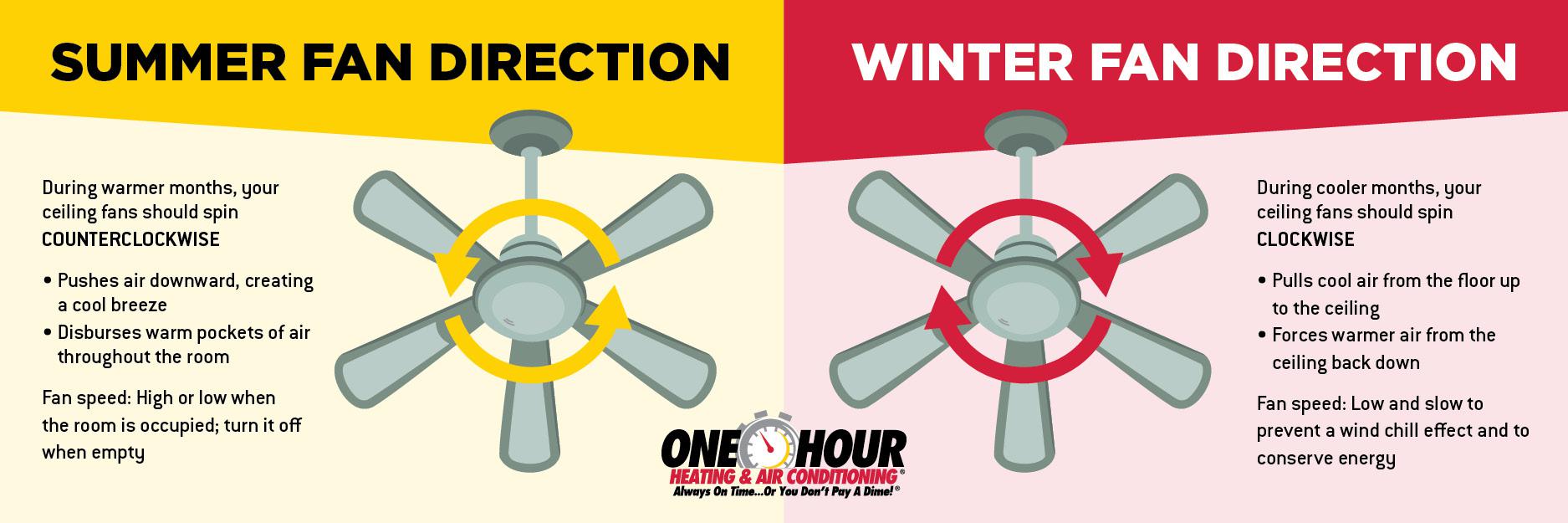
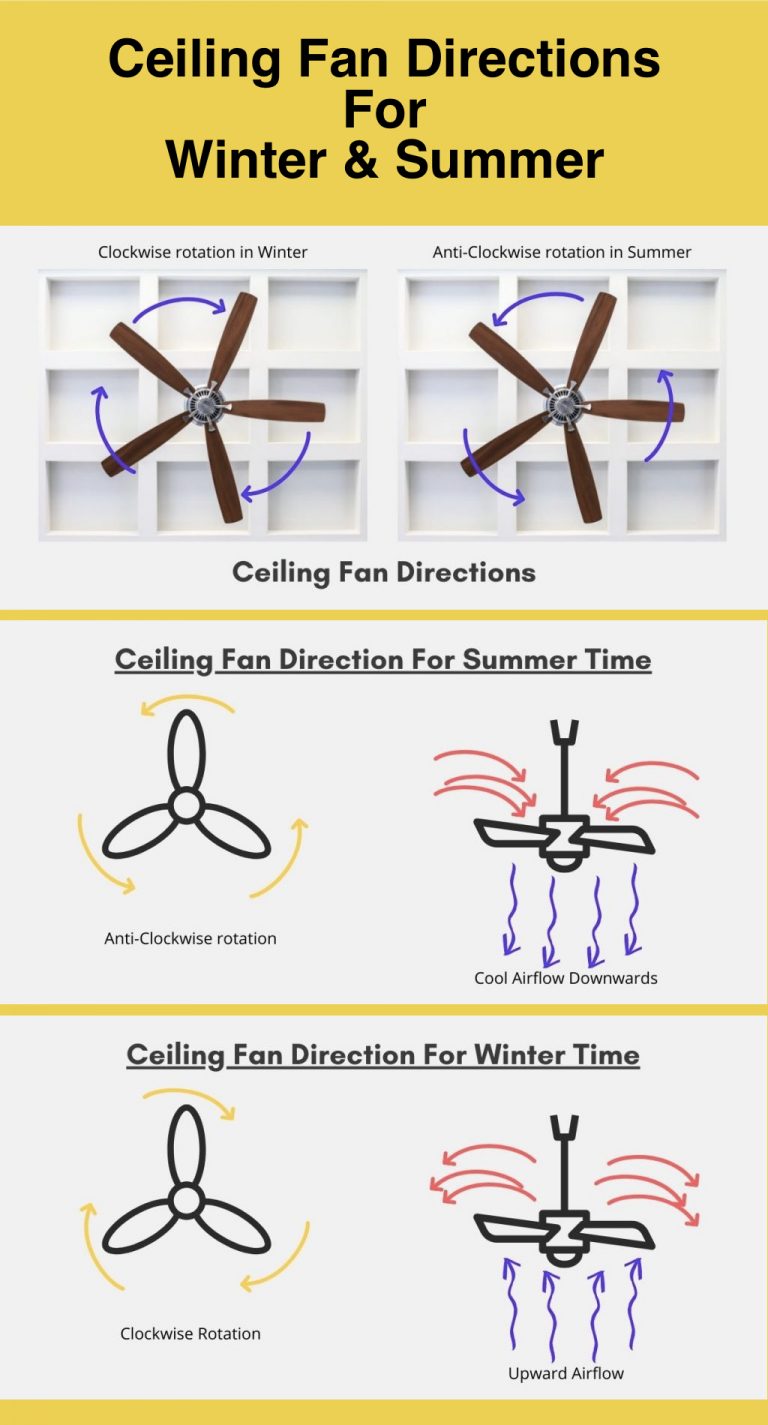
![Ceiling Fan Directions for Summer vs Winter [Infographic]](https://airflowacademy.com/wp-content/uploads/2021/06/ceiling-fan-direction-for-summer-1024x512.jpg)