
Direction Of Ceiling Fan To Cool

We’ve all been there: that moment you walk into a room, feeling either a sigh of relief or a shiver of discomfort, and your eyes drift upwards to the trusty ceiling fan. It’s a quiet workhorse, a design statement, and often, our unsung hero in the battle against extreme temperatures. But here’s a little secret that many miss: its true power isn’t just in spinning, but in which way it spins.
Getting your fan’s direction right is like unlocking a hidden superpower for your home’s comfort and energy efficiency. It’s a small tweak that delivers a surprisingly big impact. Ready to dive into the dizzying world of fan physics? Let’s get spinning!
Understanding the Magic: Updraft vs. Downdraft
At its core, a ceiling fan works by moving air, creating either a downdraft (air pushed down) or an updraft (air pulled up). Each direction serves a specific purpose, designed to optimize your comfort whether you’re fending off a summer scorcher or battling a winter chill.
Must Read
Think of it as your home's personal air traffic controller, directing the invisible currents to exactly where they need to be. Knowing which way to send that air is key to feeling just right, every time.
Summer Breeze: The Downdraft Delight
When the mercury rises and the sun beats down, your ceiling fan should be running in a counter-clockwise direction. Stand directly under your fan and look up; if the blades are moving to your left, you’re in the summer sweet spot. This creates a powerful downdraft, pushing air straight down onto you and your living space.
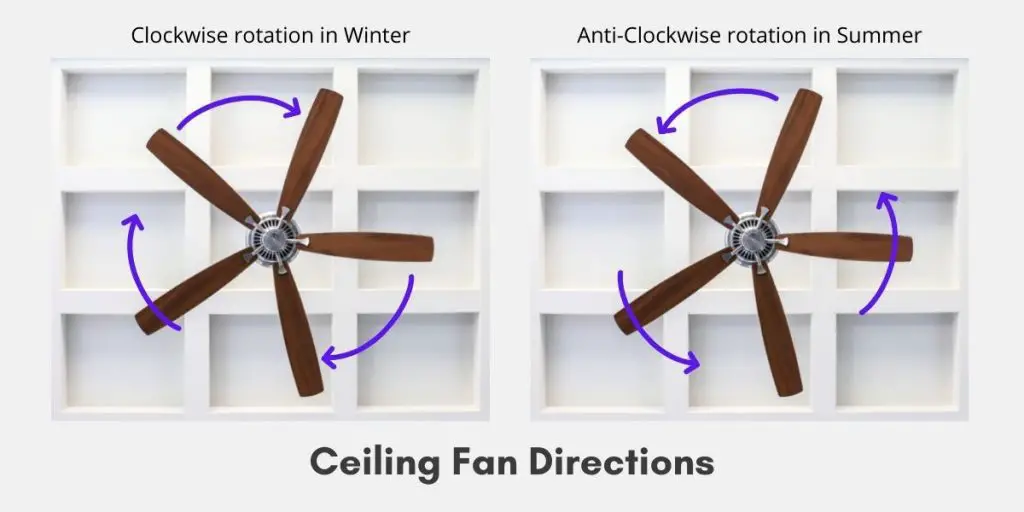
Why is this a game-changer? It’s all about the wind-chill effect. That moving air accelerates the evaporation of moisture from your skin, making you feel cooler without actually lowering the room's temperature. It’s like having your own personal, gentle breeze on demand. This can make you feel up to 8 degrees Fahrenheit cooler, allowing you to potentially raise your thermostat and save a pretty penny on your AC bill.
Practical Tip: Always make sure your fan is set to counter-clockwise for optimal summer cooling. You should feel the air moving directly below it.
:max_bytes(150000):strip_icc()/ceiling-fan-rotate-direction-1907533-2595acc134e2417eaee05162f4fdf551.png)
Winter Warmth: The Updraft Advantage
Now, let’s flip the script. When winter rolls around, and you’re wrapped in blankets, your fan should switch gears to a clockwise rotation. From below, the blades will appear to be moving to your right. This action pulls cool air up from the floor, pushing warm air (which naturally rises and collects near the ceiling) down and out towards the walls.
This isn't about creating a "wind chill" effect; quite the opposite. It’s about gently circulating that trapped warm air without creating a draft. It helps to destratify the air, mixing the warmer air near the ceiling with the cooler air below, making the room feel more uniformly cozy. You might not feel a direct breeze, but you'll notice a significant difference in the overall warmth and comfort of the room, often allowing you to turn down your heater a notch or two.

Practical Tip: In winter, run your fan on a low speed in the clockwise direction. The goal isn’t a breeze, but gentle circulation to redistribute heat.
How to Check & Change Your Fan's Direction
Changing your fan's direction is usually a surprisingly simple affair. Most ceiling fans have a small switch on the motor housing, located just above the blades. It’s typically a little toggle or slider. Remember these key steps:

- Turn off the fan completely: For safety, always ensure the fan is off and stationary before touching it.
- Locate the switch: Look on the side of the motor housing. It might be tiny, but it’s there!
- Flip the switch: Push or slide it to the opposite position.
- Turn the fan back on: Observe the blade rotation and feel for the air movement to confirm the change.
It’s a five-second job that pays dividends in comfort and energy savings. Some modern or "smart" fans even allow you to change direction with a remote control or a smartphone app – talk about future-proofing your comfort!
Beyond the Spin: Extra Tips for Fan Fanatics
- Clean Your Blades: Dust on fan blades isn't just unsightly; it can throw off the balance and reduce efficiency. A quick wipe-down every few months makes a difference.
- Optimise Speed: While direction is key, don’t forget speed. High speed for a strong summer breeze, low speed for gentle winter circulation.
- Consider Fan Size: Make sure your fan is appropriately sized for your room. A too-small fan won't circulate air effectively, no matter the direction.
A Little Spin on Life
Isn’t it fascinating how such a small adjustment can make such a big difference? This ceiling fan hack is more than just about cooling or warming; it’s a gentle reminder that often, the answers to our comfort (and even our challenges) lie not in grand overhauls, but in mindful tweaks. Like adjusting our perspective, shifting our approach, or simply choosing a different direction for a better outcome.
So, the next time you feel a little off-kilter, perhaps it’s time to pause, look up, and consider: is your fan (or your life!) spinning in the right direction for the season you're in? A small change can truly revolutionize your daily comfort.