Direction Of Ceiling Fan For Summer And Winter
Let's face it, we've all been there. Sweating in the summer heat or shivering through a winter night, vaguely aware that the ceiling fan above us might be able to help... but unsure which way it should be spinning. It's a household staple, often overlooked, yet possesses a secret superpower: climate control. And the best part? Mastering its directional magic is surprisingly simple!
For the artistically inclined, the functionally challenged, or the everyday homeowner, understanding your ceiling fan's directional settings offers a wealth of benefits. Think of it as unlocking a new level of home comfort and energy efficiency. Hobbyists can dedicate more time and energy to their passions instead of fussing with thermostats. And even the most casual learner will find satisfaction in knowing they're actively contributing to a more comfortable and cost-effective living space.
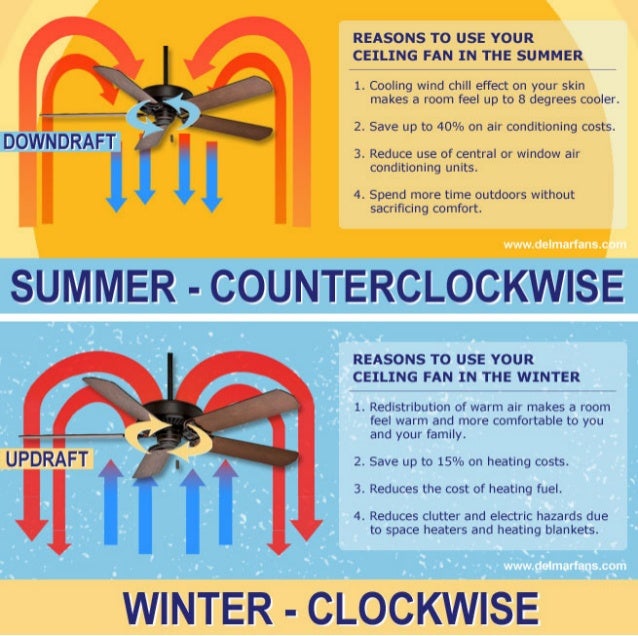
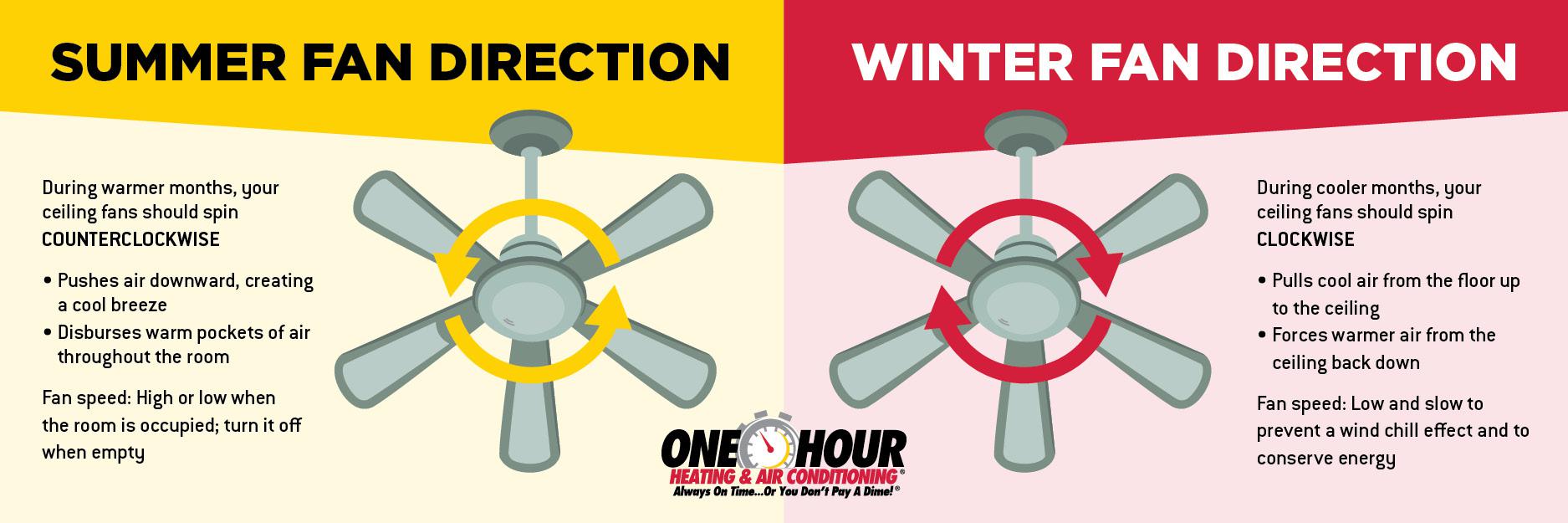
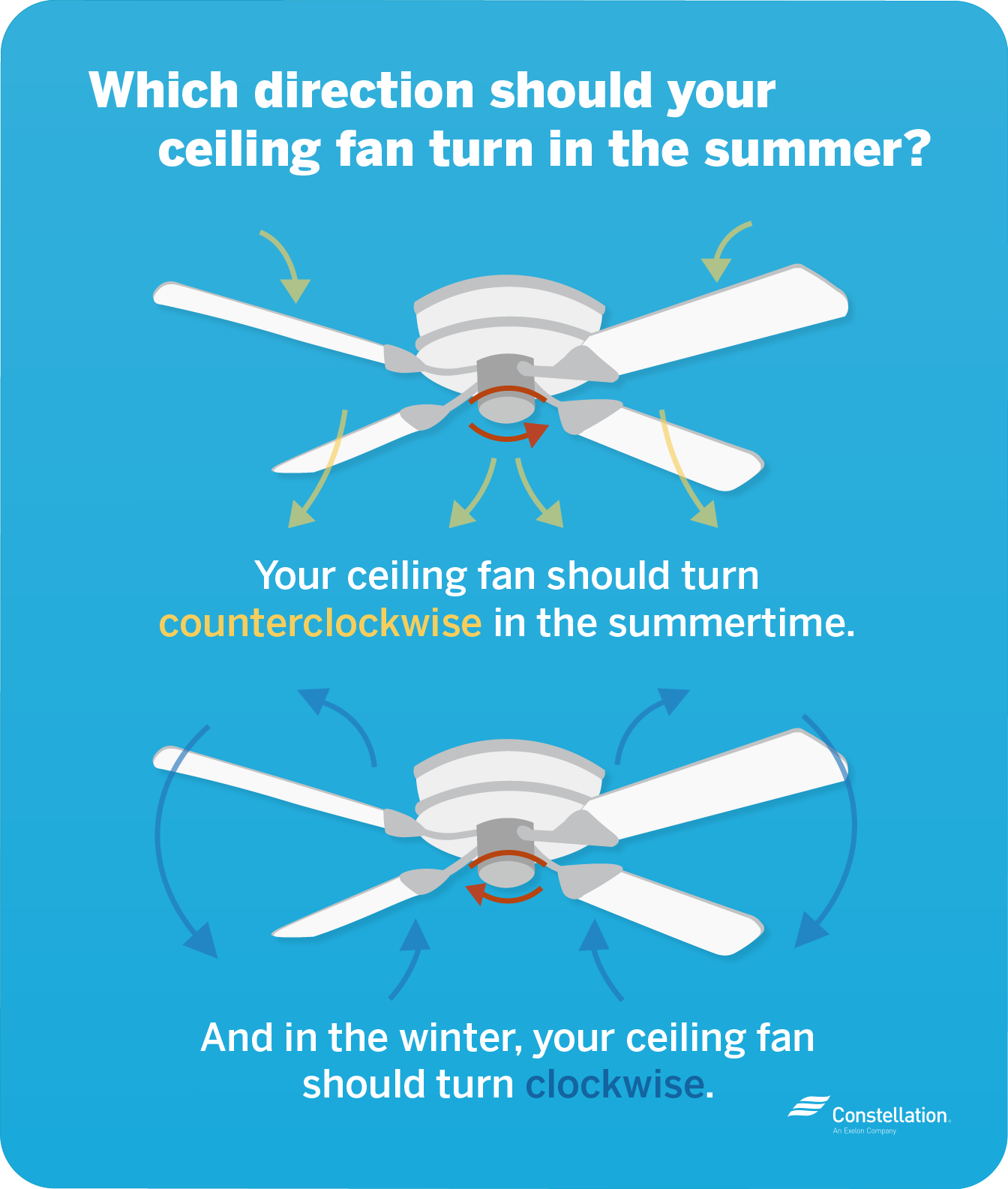
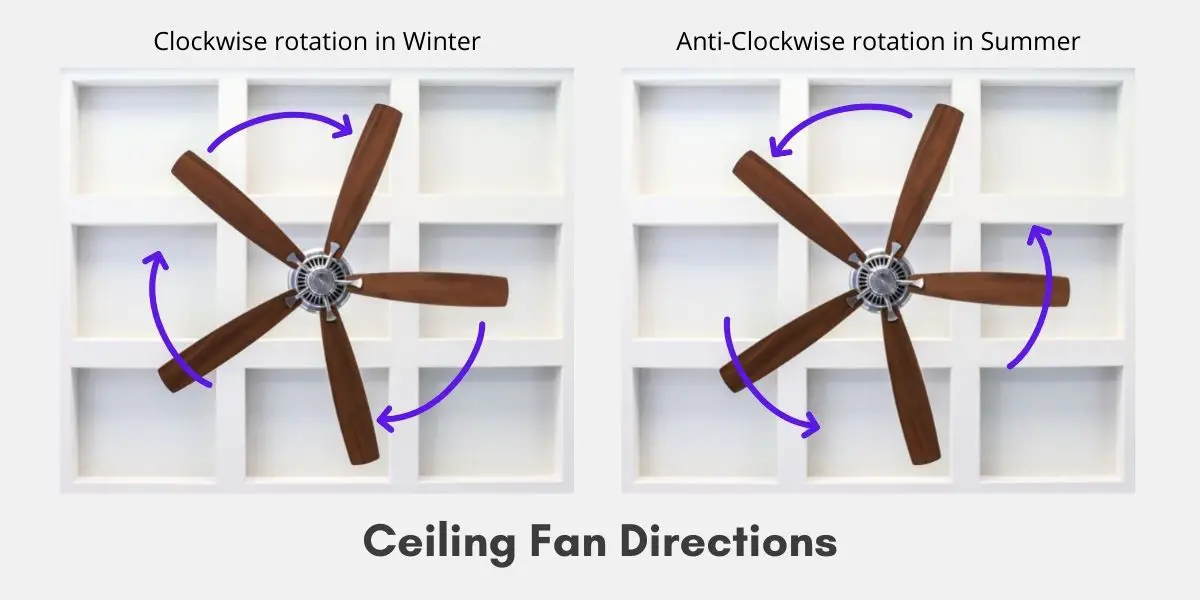
The secret lies in understanding how air circulates. In the summer, you want your ceiling fan to rotate counterclockwise (as viewed from below). This creates a downdraft, a gentle breeze that cools you by helping sweat evaporate. Think of it like a personal air conditioner, minus the hefty electricity bill! Imagine yourself painting at your easel, a comfortable breeze swirling around you, preventing sweat from dripping onto your masterpiece. Or picture yourself curled up with a good book, the fan keeping you cool and relaxed without the disruptive hum of an air conditioner.
Must Read
During the winter months, reverse the fan's direction to rotate clockwise. This creates an updraft, gently pulling cool air up towards the ceiling and pushing warmer air down the walls. The warm air that naturally rises (hot air rises, remember?) is redistributed, making the entire room feel warmer and more even. This is particularly useful in rooms with high ceilings where warm air tends to get trapped. This technique works very well in a home studio, where heat sources may be isolated, so distributing air ensures more even temperature across the area.
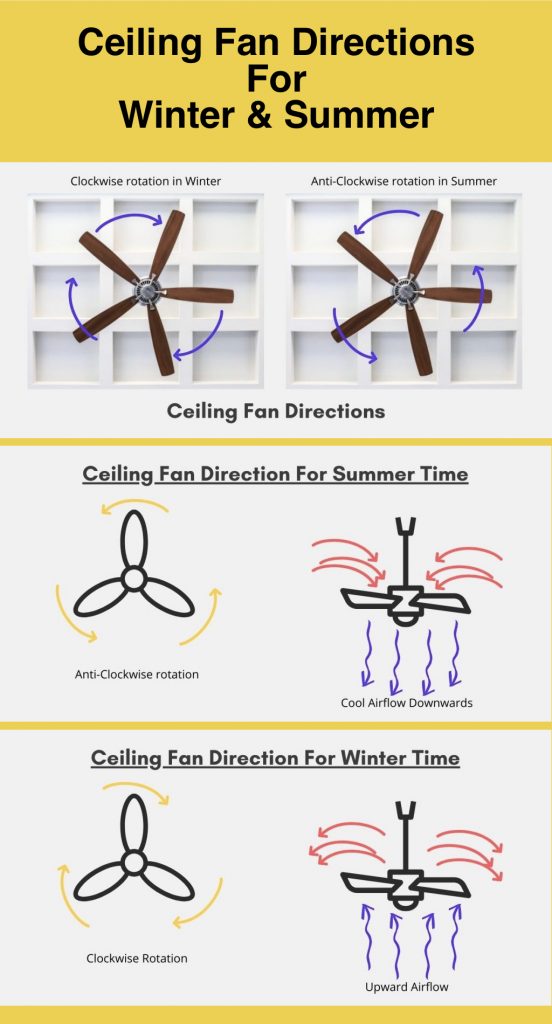
Trying it at home is incredibly easy. Most ceiling fans have a small switch located on the fan's motor housing. This switch controls the fan's direction. Before switching it, ensure the fan is completely stopped. Refer to your fan's instruction manual if you're unsure where the switch is located or how to operate it. Experiment! Try both directions and see which one feels better for you. Keep a mental note or write a small reminder on the fan itself to easily adjust seasonally.
Ultimately, adjusting your ceiling fan direction isn't just about saving money or staying comfortable. It's about taking control of your environment and understanding the simple physics that govern our everyday lives. There's a certain satisfaction in knowing you've optimized your living space with a simple flick of a switch. And who knows, maybe that extra bit of comfort and control will inspire your next great creative endeavor. So go ahead, give it a try! You might be surprised at the difference it makes.