Digital Twin Software For Offshore Structures
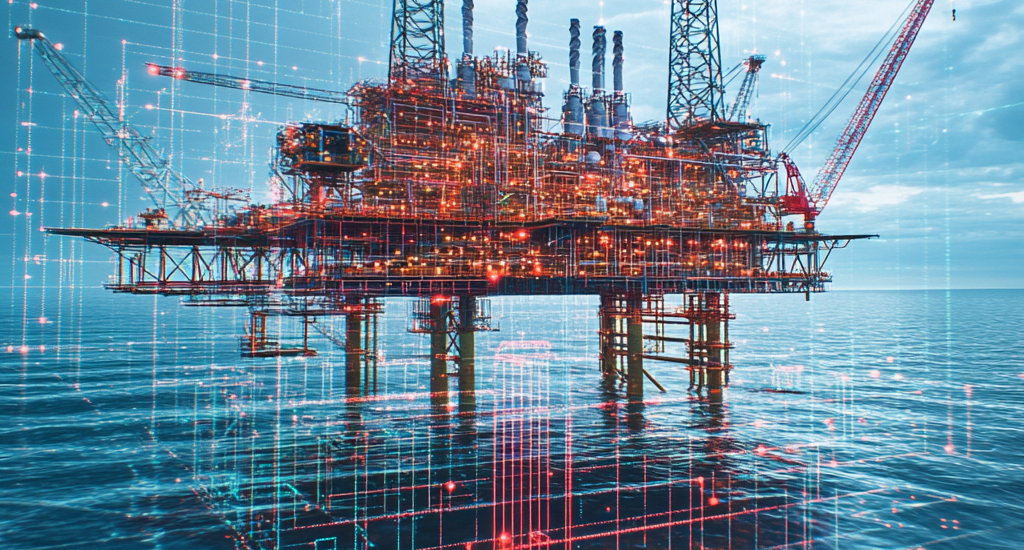
Ever played SimCity and thought, "Man, I wish I could do this for a real oil rig?" Okay, maybe not. But what if you could create a virtual, identical version of a massive offshore structure – a digital twin – and use it to predict problems, optimize performance, and even prevent disasters? Sounds pretty cool, right? That's the power of digital twin software for offshore structures, and it's changing the game for the energy industry (and saving a boatload of money, literally!).
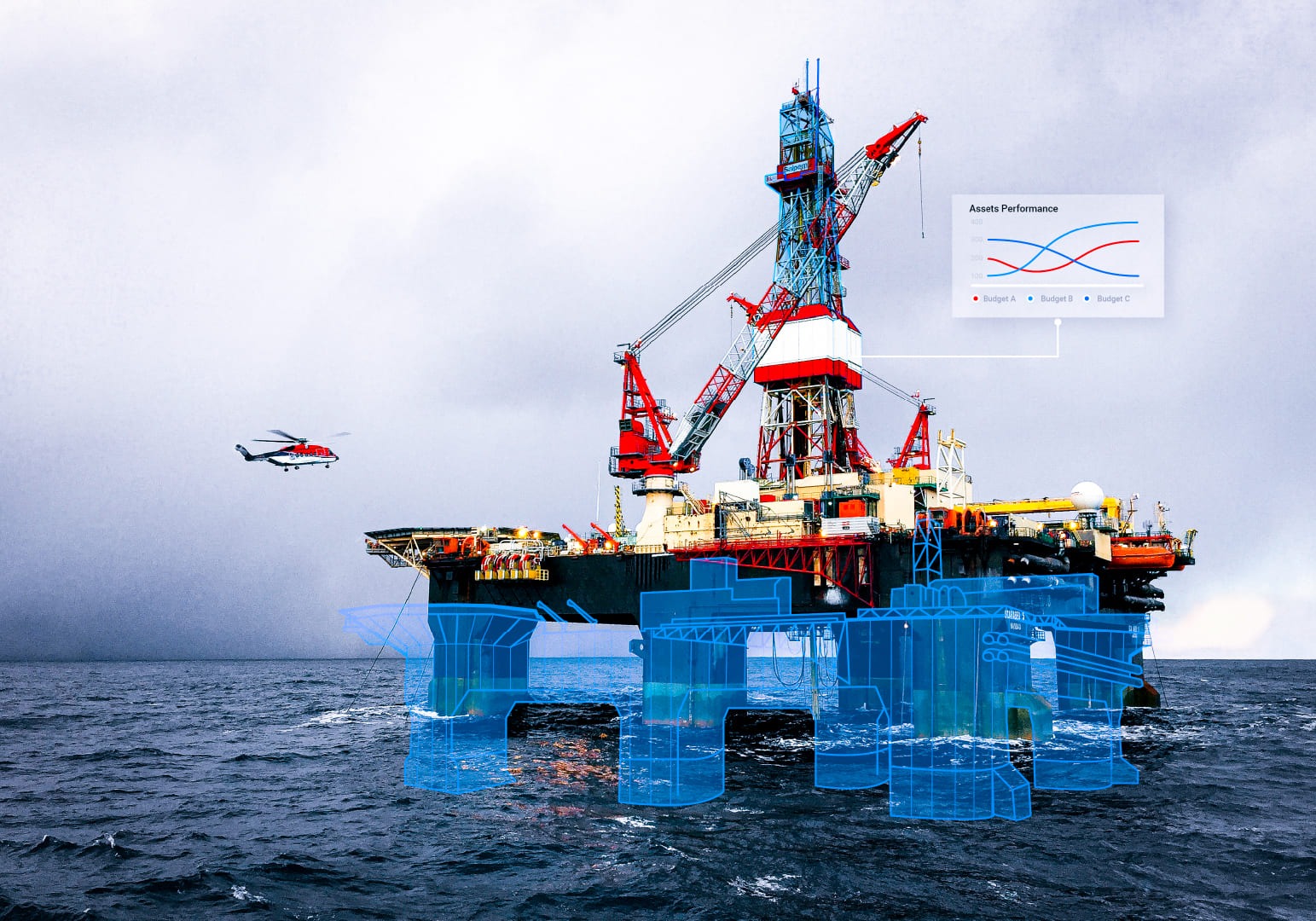
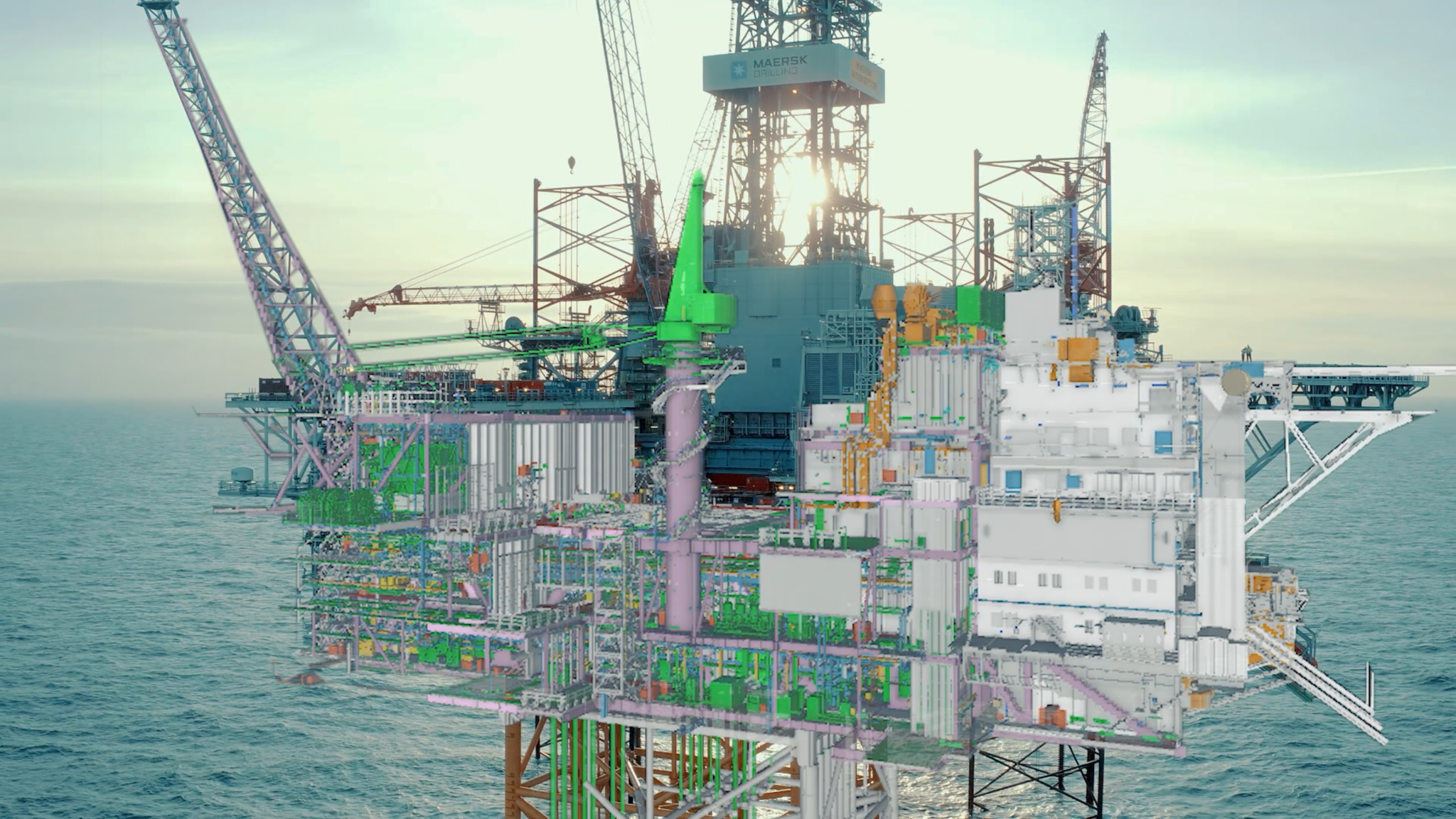
So, what exactly is a digital twin? Think of it as a dynamic, living replica of a physical asset. In the case of offshore platforms, this means a complete virtual model that incorporates real-time data from sensors all over the structure. We're talking about sensors monitoring everything from stress levels and corrosion to weather conditions and equipment performance. All this information is fed into the digital twin, which then uses sophisticated algorithms and simulations to provide a comprehensive view of the platform's health and operation.
But why go to all this trouble? The benefits are huge. For starters, digital twins enable predictive maintenance. Instead of waiting for something to break down (which can be incredibly costly and dangerous offshore), the software can identify potential problems before they occur. Imagine being able to spot a developing crack in a critical support beam weeks or even months in advance. This allows operators to schedule maintenance proactively, minimizing downtime and preventing catastrophic failures.
Must Read
Beyond preventing disasters, digital twins also help optimize performance. By simulating different operating scenarios, engineers can identify ways to improve efficiency, reduce energy consumption, and extend the lifespan of equipment. Want to see how changes in weather patterns will affect energy production? The digital twin can model it. Curious about the impact of adding new equipment? Simulate it first, risk-free. This level of insight is invaluable for making informed decisions and maximizing the return on investment.
Furthermore, digital twins are revolutionizing remote monitoring and collaboration. Experts located anywhere in the world can access the virtual model and collaborate on troubleshooting problems, planning upgrades, or conducting inspections. This is particularly useful in remote offshore locations where access is limited and expertise is scarce.
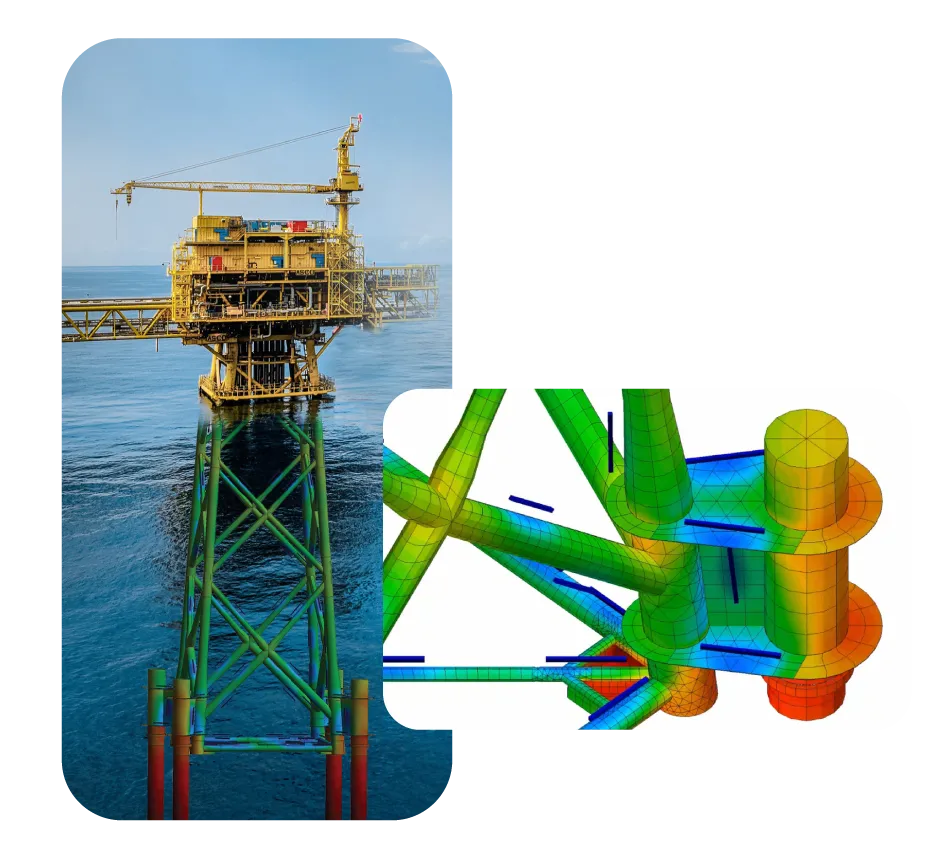
The implementation of digital twin software is also driving innovation in areas like robotics and automation. By testing robotic solutions in the virtual environment, engineers can develop and deploy robots for tasks like inspection, maintenance, and repair, further reducing risks and costs associated with human intervention.
In conclusion, digital twin software for offshore structures is much more than just a fancy tech gimmick. It's a powerful tool that is transforming the way these complex assets are managed, operated, and maintained. By providing real-time insights, enabling predictive maintenance, and facilitating remote collaboration, digital twins are helping to create a safer, more efficient, and more sustainable future for the offshore energy industry. Who knew playing SimCity could actually lead to something this important?