Difference Between Wireless Access Point And Range Extender
Ever found yourself celebrating in one room with lightning-fast Wi-Fi, only to enter another and plummet into the dreaded "dead zone" where your internet crawls or vanishes entirely? Or perhaps you're building a digital empire in a sprawling home and need every corner blanketed in glorious connectivity? Good news, fellow digital explorer! Understanding the magic behind extending your Wi-Fi isn't just useful; it’s the key to unlocking a truly seamless online experience. Today, we're demystifying two popular heroes in the quest for better Wi-Fi: the Wireless Access Point and the Range Extender. Let’s dive in!
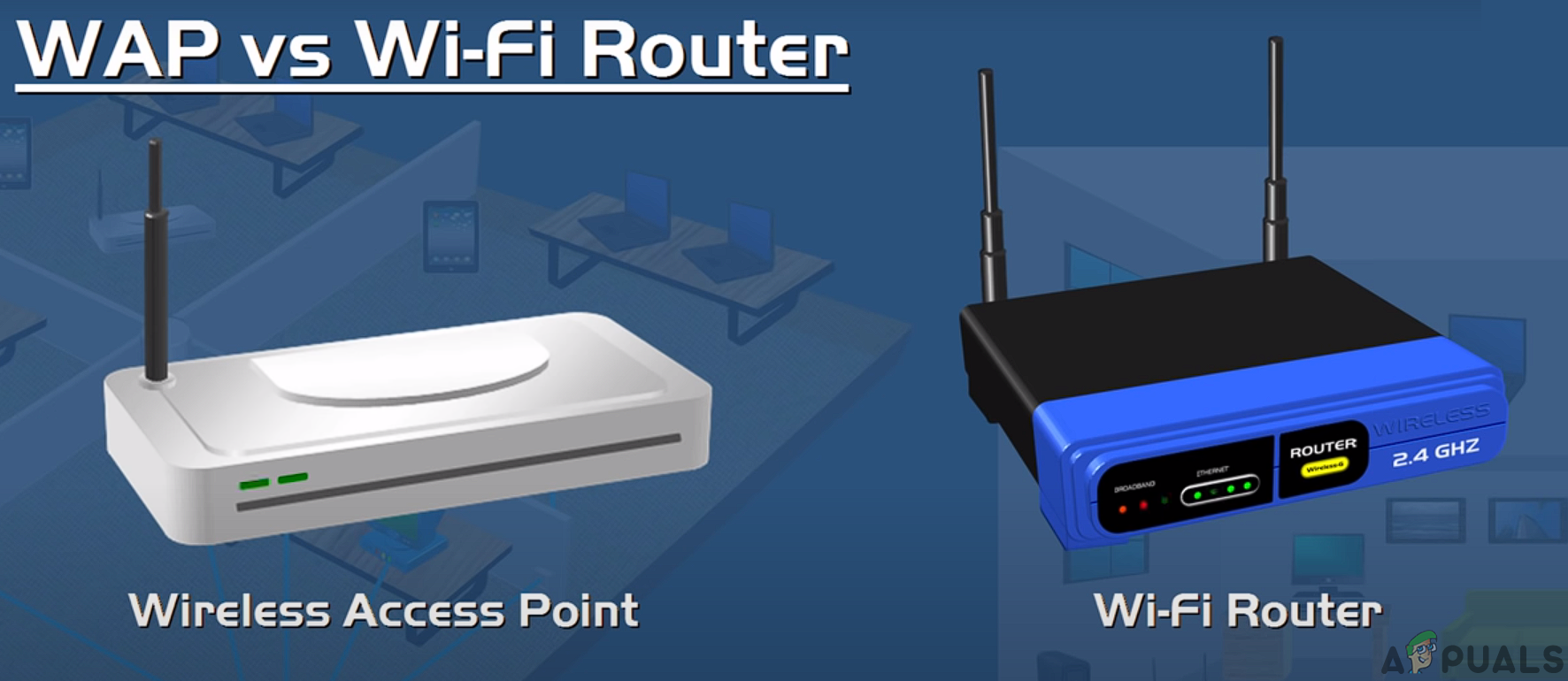
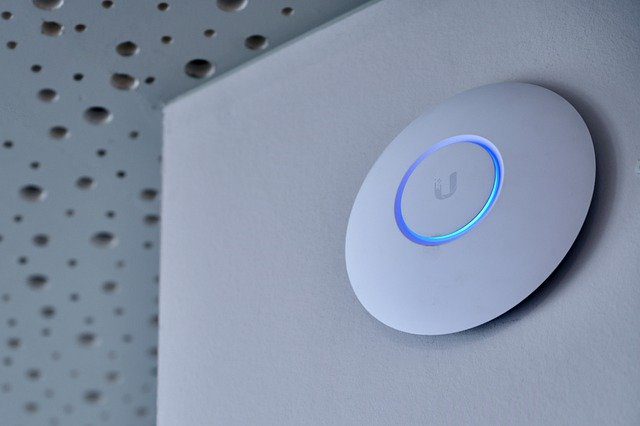
First up, let’s talk about the Wireless Access Point (WAP). Imagine your main internet router as the brain of your network, processing all the incoming and outgoing data. Now, think of a WAP as an extra set of lungs for your network, specifically designed to breathe new Wi-Fi life into areas where it’s needed most. A WAP connects to your existing router or network switch using an Ethernet cable – yes, a physical wire! This wired connection is crucial because it allows the WAP to create an entirely new, strong, and dedicated Wi-Fi signal. It's like extending your main internet pipeline directly to a new location and installing a fresh, powerful Wi-Fi faucet there. The benefits? You get a robust, stable, and often faster wireless connection in the new area because it’s drawing directly from the wired network. WAPs are fantastic for expanding Wi-Fi into large homes, separate office buildings, or even just a garage, offering optimal performance without relying on the strength of an existing wireless signal.
On the other side of the ring, we have the Range Extender (often called a Wi-Fi Repeater). This device is more like a booster shot for your existing Wi-Fi. Instead of connecting directly to your main router with a cable, a range extender connects to your Wi-Fi wirelessly. Its job is to grab the Wi-Fi signal from your main router and then rebroadcast it, essentially extending its reach. Think of it as an echo chamber for your Wi-Fi: it hears the signal, amplifies it, and then sends it out again. The main draw here is convenience. You just plug it into a power outlet somewhere between your router and your dead zone, and it often sets itself up with minimal fuss. Range extenders are perfect for those pesky corners of the house where the signal just barely reaches, providing a quick and easy solution to eliminate small dead spots. However, because it’s both listening and rebroadcasting on the same wireless channel, it can sometimes introduce a bit of lag or even halve your available bandwidth. It’s a trade-off between ultimate performance and sheer simplicity.
Must Read
So, what’s the big difference? A WAP creates a new Wi-Fi signal from a wired source, offering a fresh, robust connection. A Range Extender boosts and rebroadcasts an existing wireless signal, trading some potential speed for ease of setup and convenience. If you can run an Ethernet cable and want the best possible performance for a new Wi-Fi coverage area, go with a WAP. If you’re just looking to plug in a device and quickly fix a minor weak spot where running a cable isn't an option, a range extender might be your best bet.
Armed with this knowledge, you’re now ready to conquer those Wi-Fi dead zones and spread high-speed internet joy throughout your domain! Happy surfing!