Difference Between Tropical Storm And Hurricane
There's something both terrifying and fascinating about a brewing storm, isn't there? Maybe it's the raw power of nature on display, or perhaps it's the adrenaline rush of preparing for the potential impact. Whatever the reason, many of us living in coastal regions, or simply those who follow weather patterns, find ourselves paying close attention to those swirling masses of clouds in the Atlantic and Pacific oceans. But what exactly is the difference between a tropical storm and a hurricane? Knowing the answer is crucial, not just for satisfying our curiosity, but for ensuring our safety.
Understanding the distinctions between a tropical storm and a hurricane is far more important than just winning a trivia night. It's about preparedness. Accurate weather forecasting and clear communication about the severity of a storm allow communities to take appropriate actions. This includes everything from stocking up on supplies and securing property to evacuating vulnerable areas. In essence, knowing the difference can literally save lives.
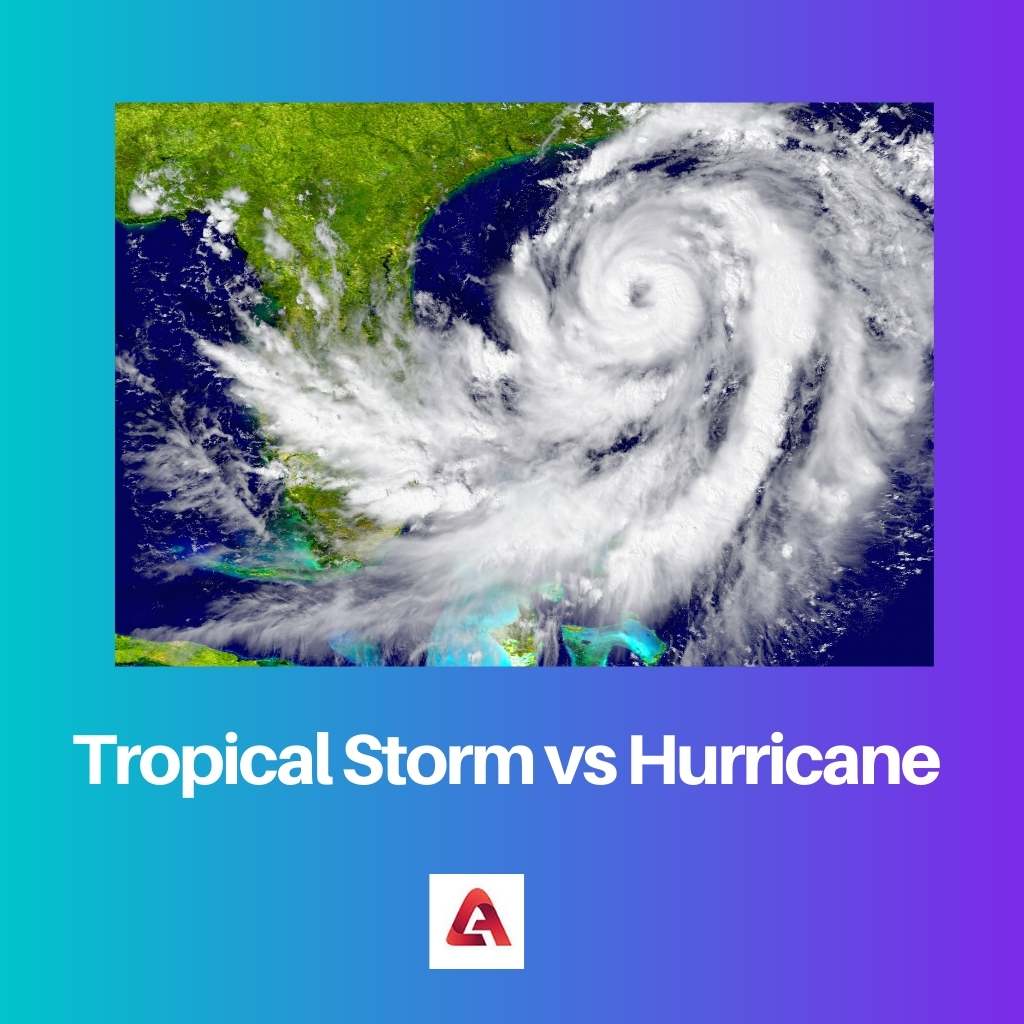
So, what's the magic number? It all boils down to wind speed. A tropical disturbance is a cluster of thunderstorms with a poorly defined circulation. When that disturbance starts to organize and develop a defined circulation with sustained winds between 39 and 73 miles per hour, it's officially classified as a tropical storm. At this stage, it receives a name from a pre-determined list. Think of names like "Arlene," "Bret," or "Cindy"—those are tropical storm names. These names are assigned sequentially as storms develop within a given season.
Must Read
However, when sustained winds reach a whopping 74 miles per hour or higher, that's when a tropical storm graduates to hurricane status. Hurricanes are further categorized using the Saffir-Simpson Hurricane Wind Scale, which ranges from Category 1 (least intense) to Category 5 (most intense). This scale considers wind speed to estimate potential property damage. A Category 1 hurricane might have winds from 74-95 mph and can damage unanchored mobile homes, while a Category 5, with winds over 157 mph, can cause catastrophic damage, rendering areas uninhabitable.
We see these distinctions applied every time a weather report airs. Meteorologists use these classifications to communicate the potential danger to the public. News outlets track these storms' progress, providing updates on their category, path, and projected impact. Emergency management agencies use this information to issue warnings, advise on evacuations, and coordinate relief efforts.

To enjoy keeping up with weather patterns more effectively, consider these tips:
- Stay informed with reliable sources: Rely on the National Hurricane Center (NHC) and reputable news outlets for the most accurate and up-to-date information.
- Learn about your local area's evacuation routes and emergency plans: Familiarize yourself with your community's preparedness guidelines.
- Understand the Saffir-Simpson Hurricane Wind Scale: Knowing the potential impact of each category can help you assess the risk and take appropriate action.
- Don't rely on old information: Storms are dynamic and can change rapidly. Stay updated with the latest forecasts.
By understanding the difference between a tropical storm and a hurricane, and by staying informed and prepared, we can all better navigate the challenges posed by these powerful weather systems and appreciate the science behind them with a healthy dose of respect.