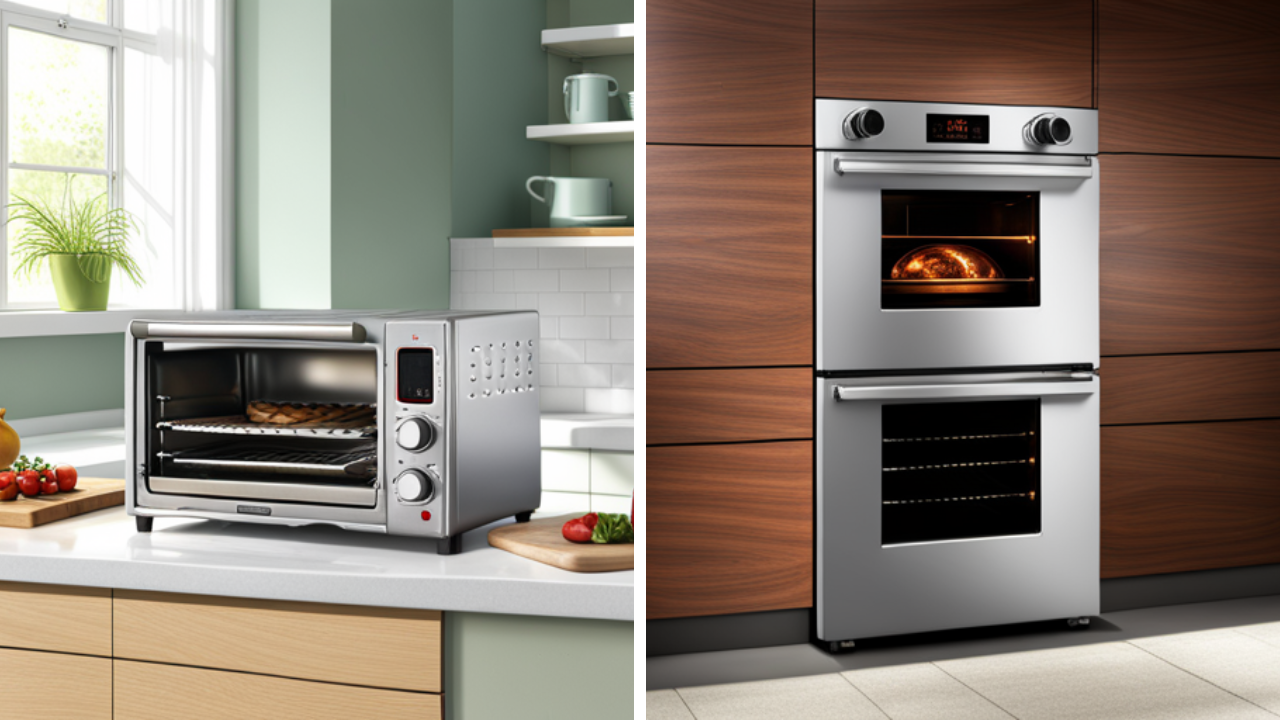
Difference Between Toaster Oven And Convection
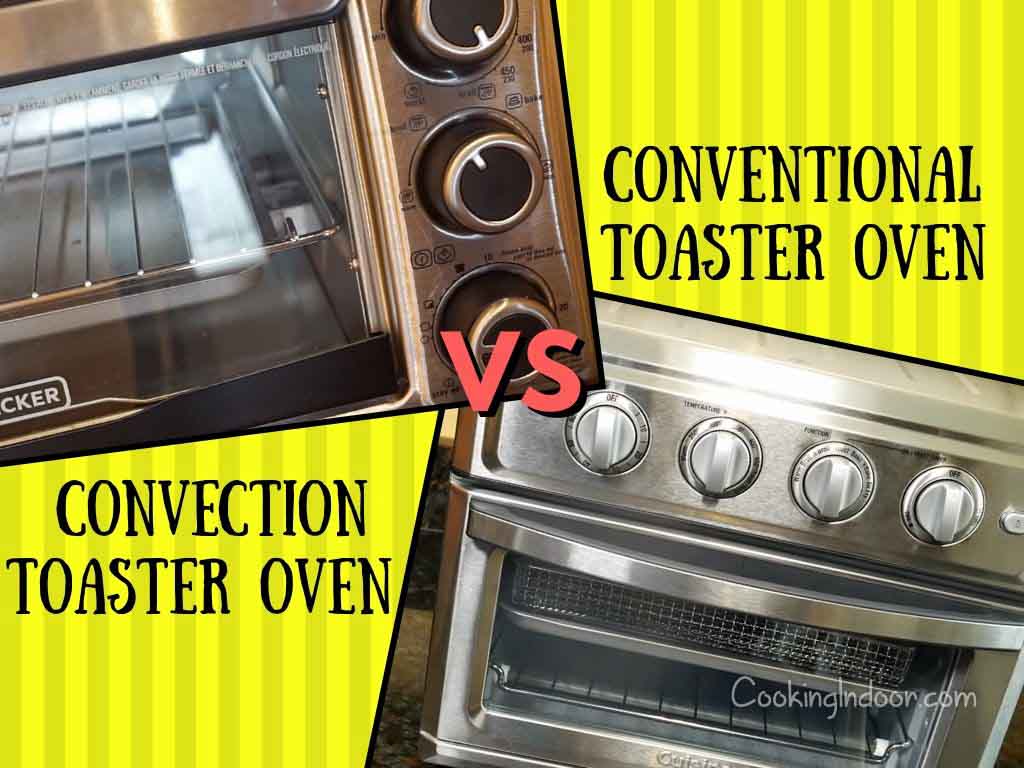
Okay, let's talk toaster ovens and convection ovens. You might think they're pretty much the same, right? Small oven, big oven… what's the big deal? Well, buckle up, buttercup, because the difference, while seemingly subtle, can be the key to perfectly toasted bagels versus… well, hockey puck bagels.
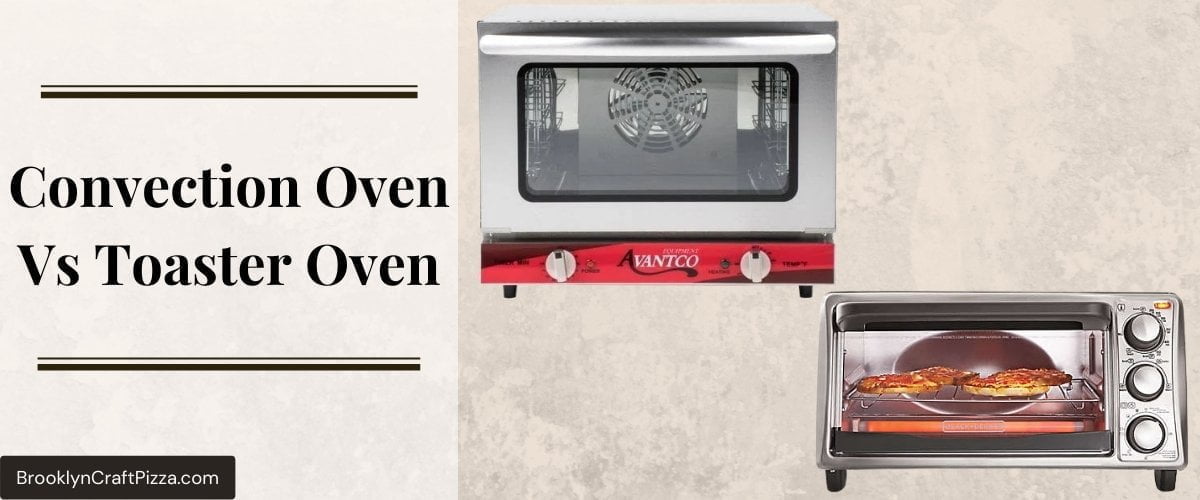
Imagine a regular toaster oven as a quiet, contemplative chef. It heats up, yes, but it relies mainly on radiant heat – think infrared beams like tiny, invisible suns – to cook your food. It's a reliable method, and honestly, it's gotten us through many a late-night grilled cheese craving. It's predictable, like your grandpa's stories – you know what you're getting.
Now, picture a convection oven. This isn't just a chef; it's a chef with a tiny, enthusiastic fan club INSIDE the oven, blowing hot air all over everything. Think of it like a whirlwind romance – intense, potentially disastrous, but ultimately capable of achieving amazing things. That fan is the magic. It's not just sitting there getting hot; it's circulating the heat, creating a more even temperature throughout the oven cavity.
Must Read
The Great Pizza Experiment
Let's put this into a relatable context: pizza night! With a standard toaster oven, you might find that the top of your pizza is nicely browned while the crust is still a little… floppy. It's that uneven heating thing again. The top is closer to the heating elements, getting all the attention, while the bottom is just chilling out, thinking about its day. The result? A pizza that's neither crispy nor evenly cooked. It's a culinary compromise, a pizza purgatory, if you will.
Now, put that same pizza in a convection oven. That little fan is working overtime, ensuring that hot air kisses every inch of that pizza – top, bottom, pepperoni, the works! The result is a uniformly crispy crust, perfectly melted cheese, and evenly cooked toppings. It's pizza perfection! It’s a culinary symphony where every element is in perfect harmony.
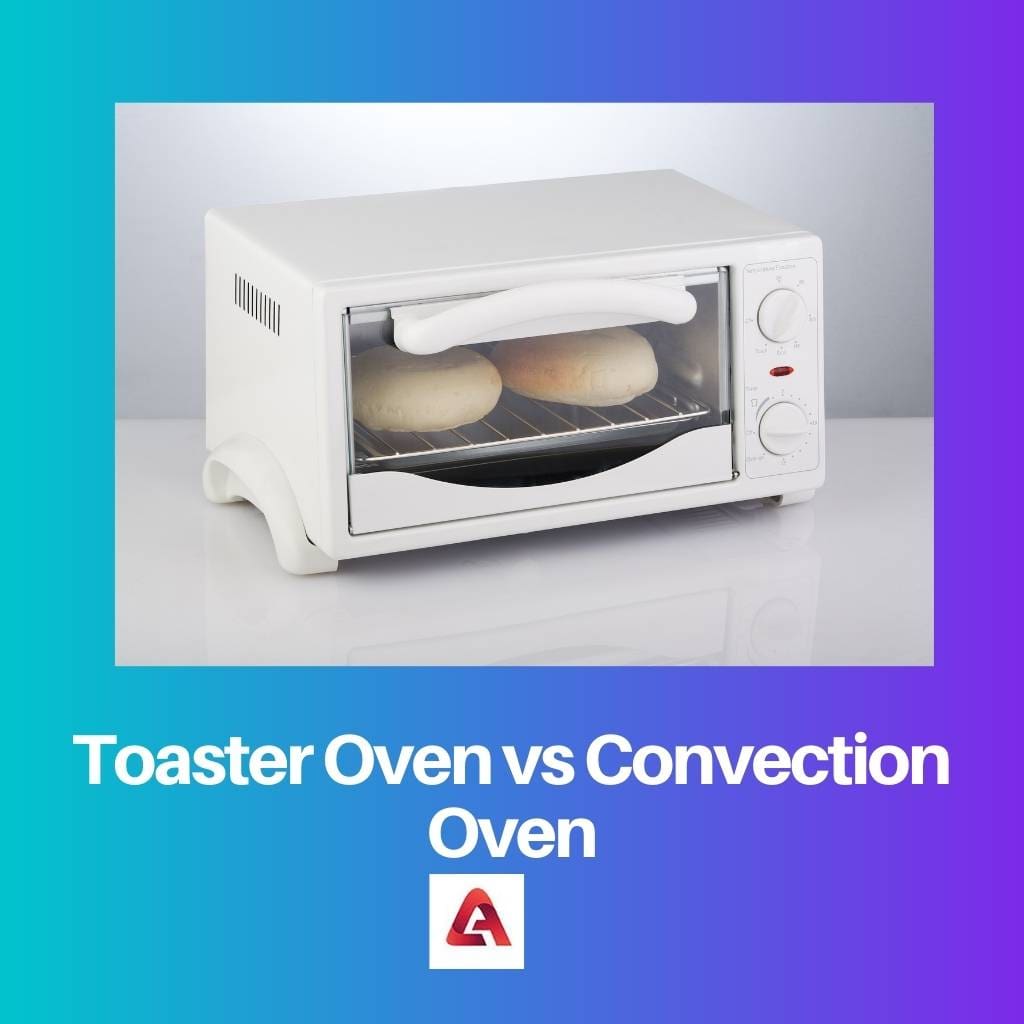
Of course, this glorious evenness comes with a caveat. Because the convection oven cooks food more quickly and efficiently, you often need to lower the temperature slightly from what a recipe calls for in a regular oven. It's like dating someone who's super enthusiastic – you might need to dial things back a bit to avoid getting overwhelmed. Generally, reducing the temperature by 25 degrees Fahrenheit is a good starting point.
So, Which One Wins?
Well, it depends! Think about what you mostly use your oven for. If you're primarily making toast, reheating leftovers, or baking the occasional cookie, a basic toaster oven might be all you need. It's the reliable, low-maintenance friend you can always count on.
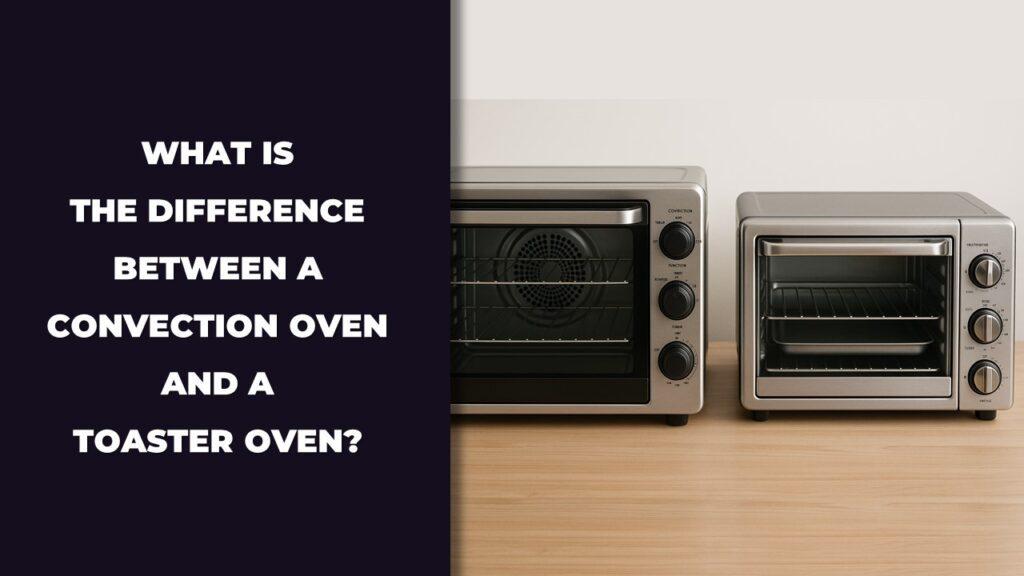
But, if you're a more ambitious cook, who wants consistently perfect results, the convection oven is your culinary soulmate. It's better for baking, roasting, and anything where even cooking is crucial. Think of it as an investment in your taste buds' future.
And here's a little secret: many toaster ovens these days come with a convection setting! It's like having the best of both worlds. You can switch to convection mode for those dishes where even cooking is paramount, and then switch back to regular mode for simpler tasks.
“The secret ingredient is always… convection!” – Every happy home cook, probably.
Ultimately, the choice is yours. Both types of ovens have their place in the kitchen. But knowing the difference between the two can help you make informed decisions and avoid culinary mishaps. So, go forth, experiment, and may your bagels always be perfectly toasted!
One last thought: Remember that perfectly browned Thanksgiving turkey you saw in the magazines? Chances are, convection had something to do with it.