Difference Between Strong Safety And Free Safety
Okay, football fans, let's talk safeties! Maybe you're new to the game, or perhaps you're trying to impress your buddies with your football IQ. Either way, understanding the difference between a strong safety and a free safety is surprisingly fun and incredibly useful. Think of it as unlocking a secret code to better understand what's happening on the field. For families watching games together, knowing this difference can make game nights way more engaging. And for the hobbyists who love analyzing plays? This knowledge is gold!
So, what's the big deal? Well, both strong safeties and free safeties are defensive backs tasked with preventing the opposing team from completing passes or making big runs. They're the last line of defense. However, they go about their business in slightly different ways. Think of them as partners in a superhero duo, each with unique strengths.
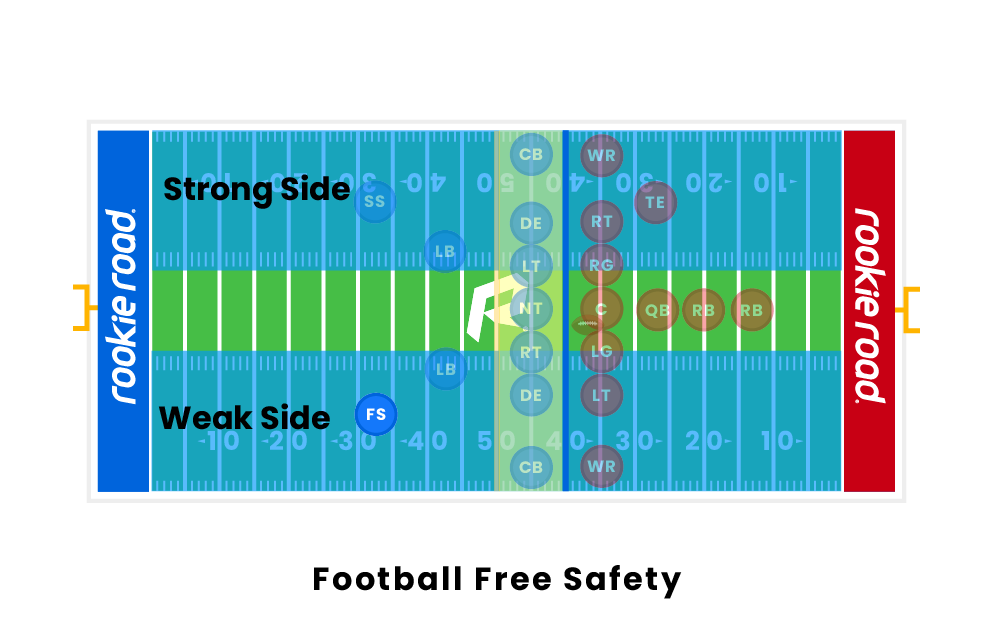
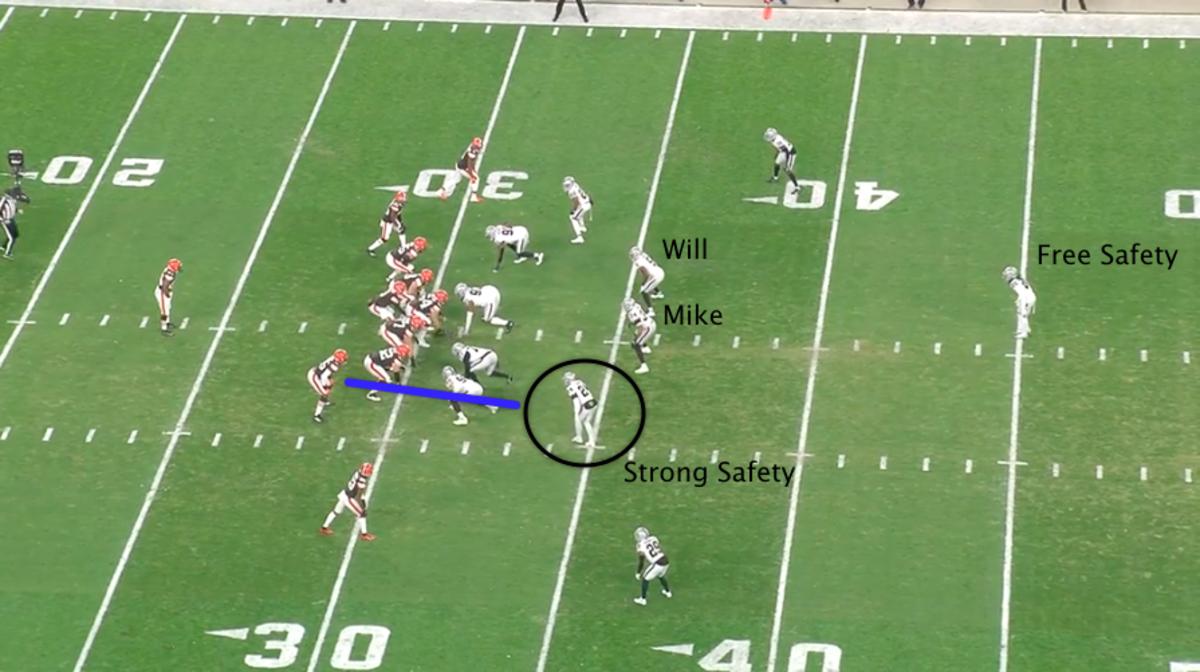
The strong safety (SS), as the name suggests, is usually the more physical of the two. They typically line up closer to the line of scrimmage, often on the strong side of the formation (the side with the tight end, hence "strong"). Their primary job is to support the run defense. Imagine a linebacker and a defensive back had a baby – that’s kinda the strong safety. They're bigger, tougher, and more likely to be involved in tackling running backs. They're also responsible for covering tight ends and slot receivers.
Must Read
On the other hand, the free safety (FS) is the deep defender. They’re the ball-hawking center fielder of the football field. They usually line up further back, focusing on reading the quarterback's eyes and anticipating where the ball will be thrown. The free safety's primary responsibility is to prevent deep passes and provide help over the top. Think of them as the pass coverage specialists. They’re often faster and more agile than strong safeties. They need to be able to cover a lot of ground quickly.
Here's a simple way to remember it: Strong = Strength, near the line. Free = Freedom, deep in coverage.
Examples? Think of a player known for their hard hits and run-stopping ability as a potential strong safety. Someone known for their interceptions and coverage skills? Probably a free safety.
Variations? Modern football is complex, and defenses are constantly evolving. Sometimes, teams blur the lines between these positions, using hybrid players who can do a bit of everything. Some free safeties are asked to blitz more often, and some strong safeties have the speed to play deep coverage. It all depends on the team's scheme and the player's individual abilities.
Getting Started? The easiest way to start learning is to simply watch games! Pay attention to where the safeties line up before the snap. Do they move closer to the line of scrimmage on running plays? Are they deep in coverage when the quarterback drops back to pass? Listen to the commentators – they often highlight the roles of the safeties during the game. You can also search for "strong safety highlights" and "free safety highlights" on YouTube to see examples of each position in action.
Understanding the difference between a strong safety and a free safety adds another layer of enjoyment to watching football. It's like understanding the different roles in an orchestra – each instrument plays a vital part in creating the overall symphony. So, grab some snacks, settle in, and enjoy the game! You'll be surprised how much more you appreciate the strategic nuances once you understand these key positions.