Difference Between Stainless And Stainless Steel

Ever wondered about the shiny stuff that makes your kitchen sink, your favorite cookware, and even some of those sleek medical instruments look so…well, stainless? We often hear the terms “stainless” and “stainless steel” used interchangeably. But is there actually a difference? Turns out, diving into this seemingly small linguistic nuance can unlock a fascinating world of materials science! It's relevant because understanding the basics can help you make informed decisions about the products you buy and appreciate the engineering that goes into everyday objects.
So, let's get this straight: stainless steel is the key phrase. "Stainless" on its own, while descriptive, is essentially shorthand. It's like saying "athletic" instead of "athletic shoes" – you get the general idea, but you're missing the specific material. The actual material we are talking about is called stainless steel. So yes, stainless refers to stainless steel.
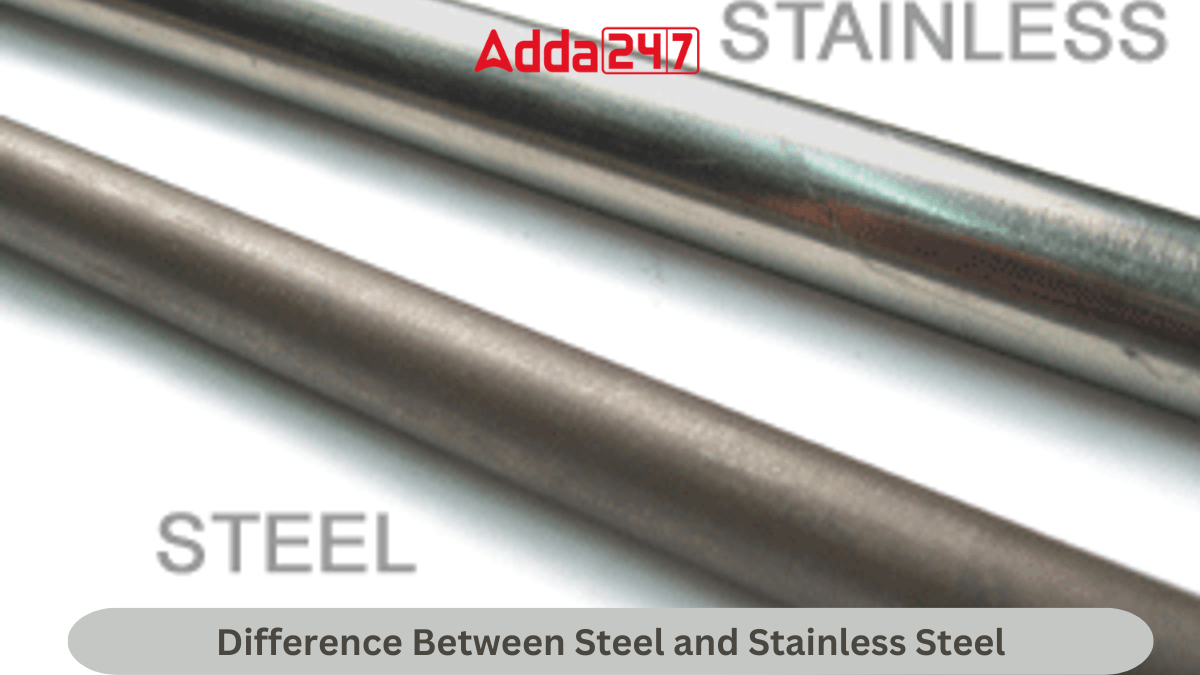
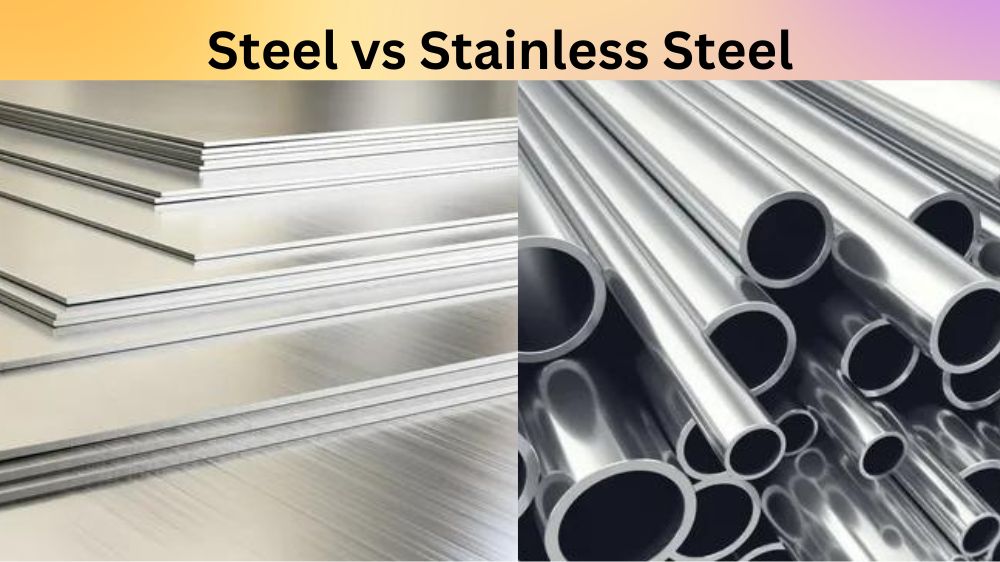
Stainless steel is a family of alloys. An alloy, in simple terms, is a mixture of metals. The star player in stainless steel is, of course, iron. But what makes it "stainless"? That's where chromium comes in. A minimum of 10.5% chromium by weight is what classifies steel as "stainless." When chromium reacts with oxygen in the air, it forms a thin, invisible, and self-healing layer of chromium oxide. This layer acts as a protective shield, preventing the iron from rusting or corroding. Think of it like a superhero's force field, but for your metal!
Must Read
The benefits are numerous. Because of that protective layer, stainless steel offers excellent corrosion resistance, making it ideal for environments where moisture, chemicals, or high temperatures are present. It's also hygienic, easy to clean, and durable, which explains its widespread use in various industries. And, of course, it's aesthetically pleasing, offering a bright, clean look.
In education, think about the science lab. Stainless steel sinks and equipment are common because they can withstand harsh chemicals and are easy to sterilize. In daily life, you'll find it everywhere! Cutlery, pots and pans, kitchen appliances, architectural elements (like building facades), automotive components, and even medical implants often utilize stainless steel.
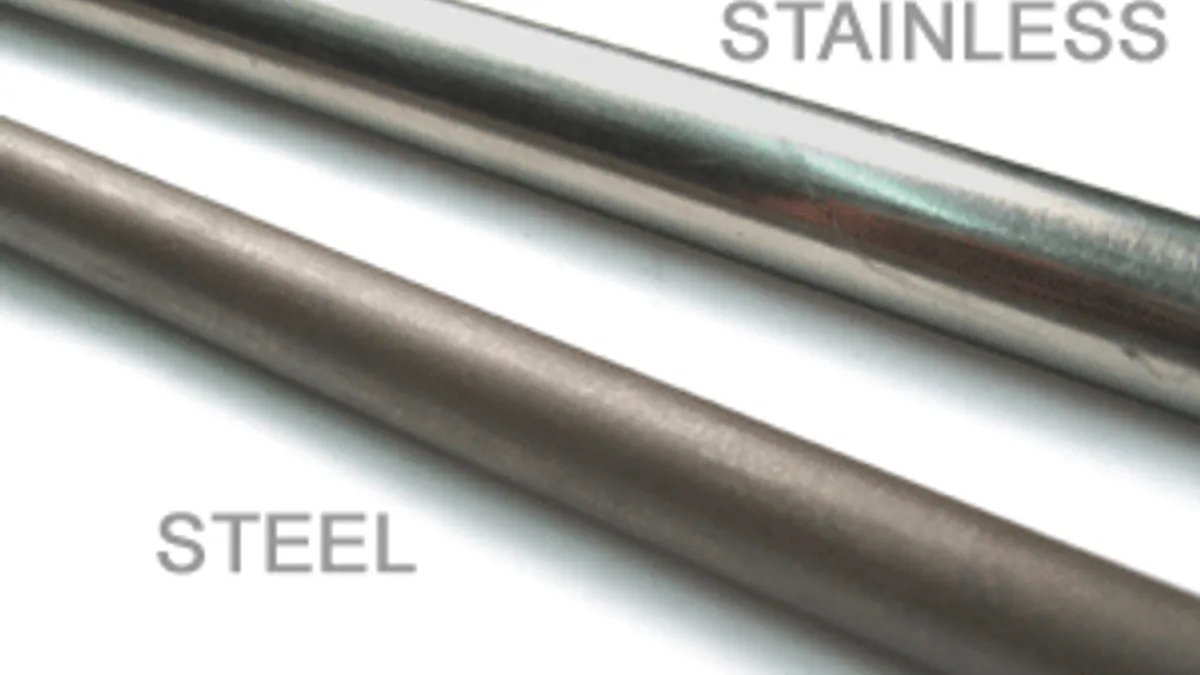
Want to explore the world of stainless steel further? Here are a few simple tips: Pay attention to the grades of stainless steel used in the products you buy. Common grades include 304 and 316, each with slightly different properties and levels of corrosion resistance. Look for markings like "18/8" or "18/10" on cookware – these indicate the percentage of chromium and nickel, respectively, in the steel. You could also try a simple science experiment: expose different types of steel (including stainless steel) to salty water and observe which ones rust the fastest. This will give you a firsthand understanding of the importance of chromium in preventing corrosion.
Ultimately, understanding the difference (or rather, the clarification) between "stainless" and "stainless steel" allows you to appreciate the clever science and engineering that makes our modern world a little bit shinier, and a whole lot more durable. So, the next time you reach for your stainless steel spoon, take a moment to marvel at the invisible superhero protecting it from rust!