
Difference Between Single And Three Phase Supply
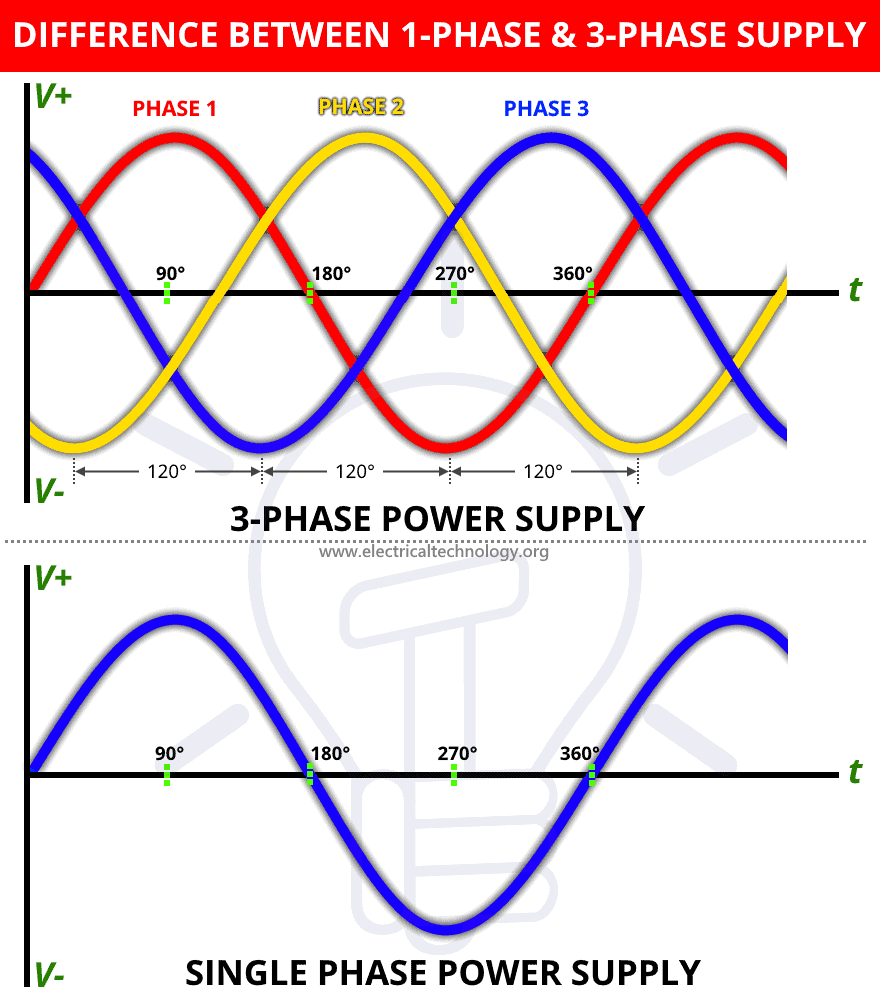
Hey, grab another coffee! So, you wanna know about single-phase versus three-phase power? It sounds intimidating, right? Like something out of a sci-fi movie. But trust me, it's simpler than you think! We’ll break it down, no PhD in Electrical Engineering required (phew!).
Think of it like this: it's all about how electricity gets delivered to your stuff. Are you ready for the ride?
Single-Phase: Your Everyday Friend
Single-phase power is what you mostly have in your house. It's the kind of electricity that runs your lamps, your TV, your blender (for those morning smoothies!), and all those other essential gadgets. Basically, anything that plugs into a standard wall outlet.
Must Read
It’s like having one really enthusiastic delivery person bringing all your groceries at once. One "wave" of power, delivering the goods. Simple, right?
The Pros? It's cheap and easy to install. Perfect for smaller power needs. Think home appliances, lighting, and small power tools. Nothing too crazy.
The Cons? Well, it's not super efficient for high-power stuff. Imagine trying to run a whole factory on single-phase! It would be like trying to move a mountain with a tiny shovel. Not ideal!
It can also experience something called "voltage drop" over longer distances. It is like your phone battery draining faster when using internet at the remote countryside!
Three-Phase: The Heavy Hitter
Now, three-phase power is the big leagues. This is what powers factories, large commercial buildings, and other places that need serious juice. Think huge motors, heavy machinery, and even some air conditioning systems. Stuff that makes your hair stand on end (figuratively, of course!).
It's like having three delivery people, each with their own truck, bringing you groceries in a coordinated fashion. They arrive at slightly different times, ensuring a continuous supply. Efficiency at its finest!

The Pros? Super efficient, capable of delivering massive amounts of power, and generally more stable. Less voltage drop over long distances. It's the workhorse of the electrical world.
The Cons? More complex and expensive to install. Not something you'd typically find in your home (unless you're running a secret robot factory in your basement… in that case, rock on!). Requires specialized equipment and wiring.
Think of it like this, if single-phase is a bicycle, the three-phase is a freight train. Both can transport, but in different loads and purposes!
So, What's the Actual Difference?
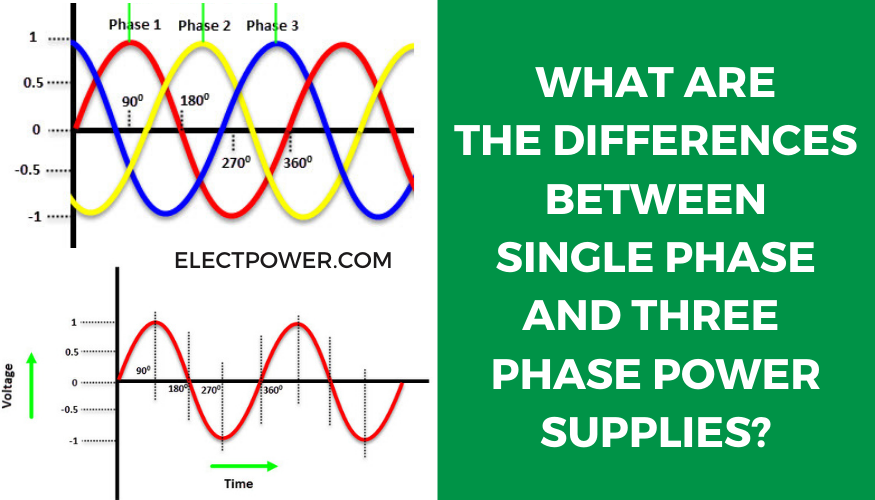
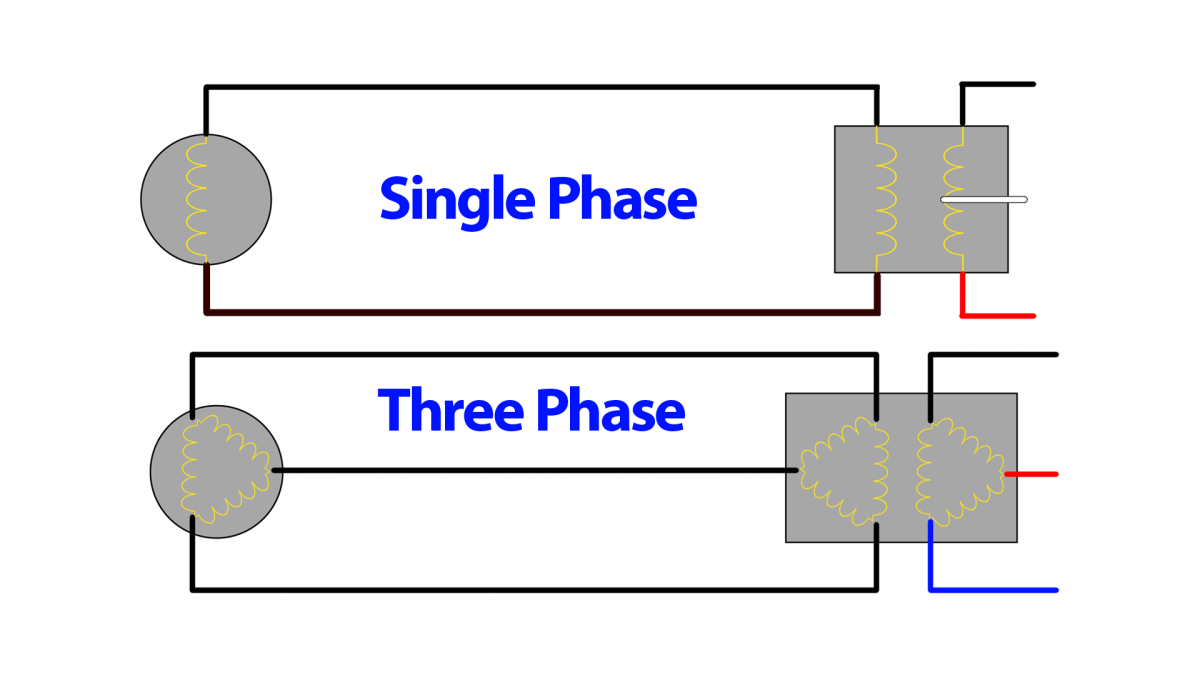
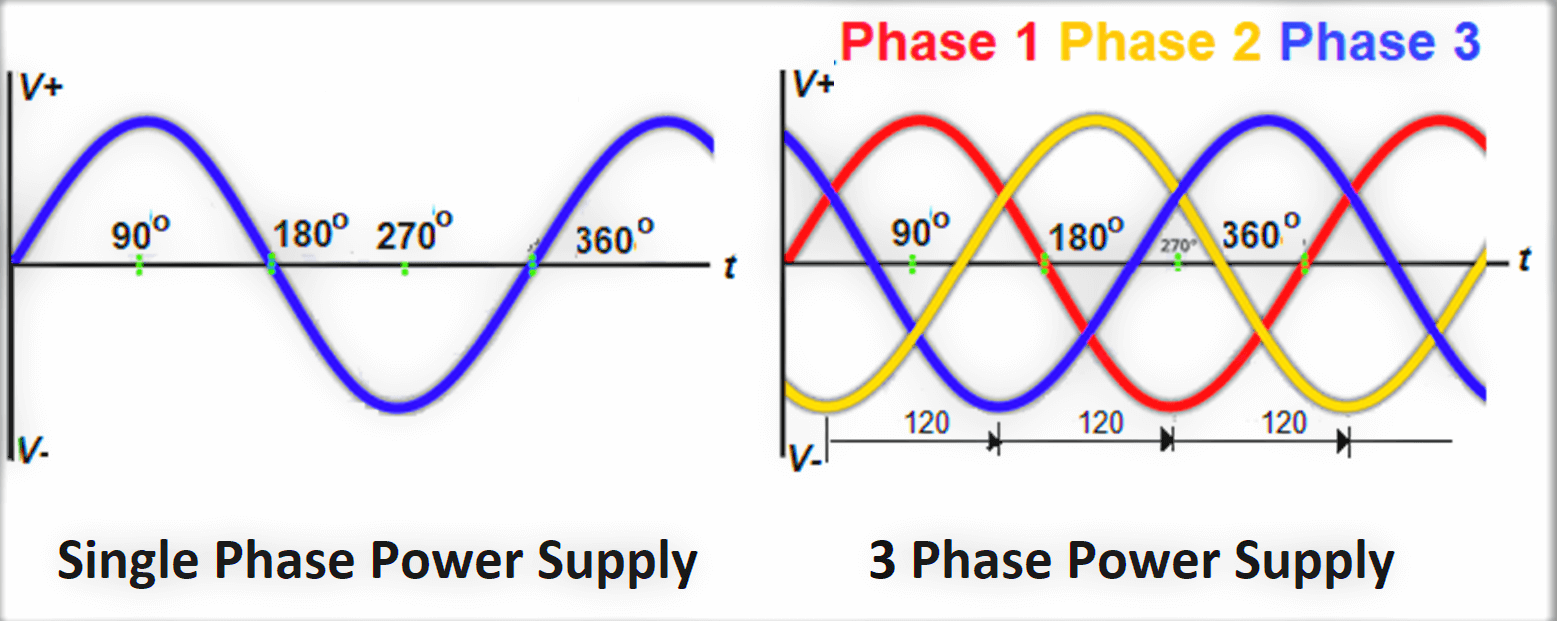
Okay, let's get a little bit technical (but I promise, not too much!). The main difference is the number of AC (alternating current) waveforms being delivered. Single-phase has one, while three-phase has three. These waveforms are offset from each other, creating a smoother, more consistent power delivery.
Imagine pushing someone on a swing. Single-phase is like pushing them once, then waiting for them to swing back. Three-phase is like having three people pushing the swing in a coordinated rhythm, keeping it moving smoothly and continuously.
See? Not so scary, right? It's all about efficiency and power delivery. Single-phase for your everyday needs, and three-phase for the big stuff.
In a Nutshell (Because Who Has Time for Long Explanations?)
- Single-phase: Simple, affordable, good for homes and small businesses.
- Three-phase: Powerful, efficient, perfect for industrial applications.
Think of it this way, if you only need to power a lamp, single-phase is your friend. But if you need to power an entire building, three-phase is the way to go!
So, next time you're flipping a light switch or marveling at a giant factory, you'll know a little bit about the power behind the scenes. You're practically an electrician now! (Okay, maybe not, but you can definitely impress your friends at the next party).
Now, how about refilling these coffees? You deserve it! And remember, electricity is cool… but also dangerous. Always call a professional when dealing with electrical work. Safety first!