
Difference Between Non Ferrous And Ferrous Metals

Alright, let's talk metals. Not the headbanging kind (though I appreciate a good air guitar session!), but the kind that makes up, well, everything. Ever wondered why your bike rusts like crazy but your fancy gold ring stays shiny? That’s the difference between ferrous and non-ferrous metals in a nutshell. Think of it like this: ferrous metals are the drama queens of the metal world, and non-ferrous metals are the cool cats.
Ferrous Metals: The Rusty Romantics
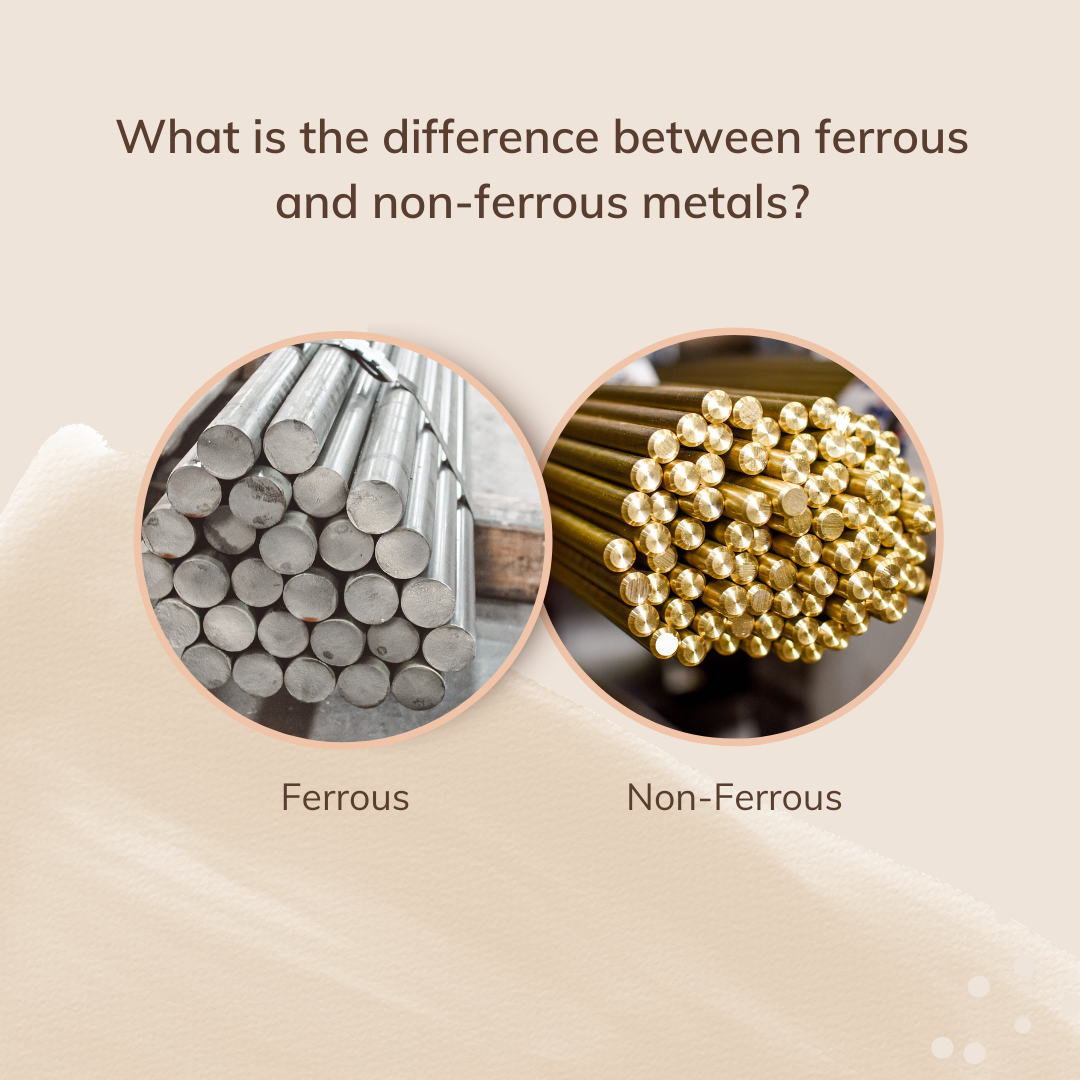
Ferrous metals? What does that even mean? Simply put, "ferrous" means "containing iron." Iron is the main ingredient, like flour in a cake. And just like some cakes are more prone to burning, ferrous metals are prone to rusting. Iron + Oxygen + Water = RUST, the bane of every DIYer's existence.
Must Read
You've probably encountered this drama firsthand. Remember that old swing set in your backyard? The one that started out bright and shiny, but after a few winters, looked like it had been through a zombie apocalypse? Yep, that was the iron in the steel reacting with the elements. Rust is basically iron metal’s way of saying, "I'm returning to my natural state!" It's a real romantic, in a decaying, orange-y kind of way.
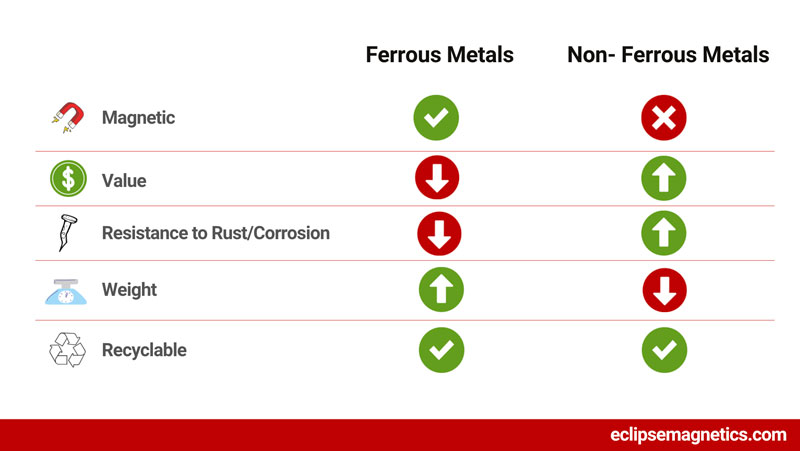
Now, before you write off ferrous metals completely, they’re actually super strong and durable. Steel, a ferrous metal, is used to build skyscrapers, bridges, and pretty much anything that needs to withstand a hurricane. They’re also often cheaper than their non-ferrous counterparts, making them a practical choice for many applications. Think of them as the reliable, slightly high-maintenance friend who always shows up on time (but might need a little WD-40 every now and then).

Common examples include:
- Steel (carbon steel, stainless steel, alloy steel)
- Cast iron
- Wrought iron
Non-Ferrous Metals: The Cool Cats
Now, let's talk about the cool cats of the metal world: non-ferrous metals. These guys don’t contain significant amounts of iron. This means they're much less likely to rust. They're the zen masters of the metal kingdom, all calm and collected.
Ever noticed how copper pipes inside your house don't turn into a rusty mess? Or how aluminum cans can sit outside for ages without disintegrating? That’s because copper and aluminum are non-ferrous metals. They’re resistant to corrosion, making them perfect for things that need to last a long time, especially in harsh environments.
But, these cool cats come with a price. Non-ferrous metals are generally more expensive than ferrous metals. They might not be as strong as steel, but they make up for it in other ways. Many are incredibly lightweight (aluminum is a prime example), making them perfect for airplanes and other applications where weight is a concern. Plus, some, like gold and silver, are incredibly valuable and used in jewelry and electronics.
Think of non-ferrous metals as the fancy, low-maintenance friend who always looks effortlessly chic. They might cost a bit more upfront, but they'll save you a ton of headaches (and rust stains) in the long run.
Common examples include:
- Aluminum
- Copper
- Brass
- Gold
- Silver
- Lead
- Tin
- Titanium
The Bottom Line: Pick Your Metal Wisely!

So, there you have it! Ferrous versus non-ferrous metals: two metal families with very different personalities. Ferrous metals are strong, reliable, and affordable, but prone to rust. Non-ferrous metals are corrosion-resistant, lightweight (sometimes), and valuable, but often more expensive.
The best choice depends entirely on your needs. Building a bridge? Steel is your friend. Making jewelry? Go for the gold! Just remember to consider the pros and cons of each metal before you dive in. After all, you wouldn't use a hammer to brush your teeth, would you? (Please don't.)
Now go forth and conquer the metal world! Just try not to start any rust wars, okay?