
Difference Between Incandescent And Led Lights
Okay, so picture this: I’m rummaging through the junk drawer (we all have one, right?), desperately searching for a working lightbulb. The kitchen light decided to throw a diva fit right as I was about to start making midnight nachos. Of course. After what felt like an eternity, I pull out two candidates: one of those old-school, yellowish bulbs, and a sleek, modern-looking one. Bingo! But then it hit me… why do these things look and feel so different? And more importantly, which one is going to let me enjoy my cheesy goodness without bankrupting me on the electricity bill?
That, my friends, is what led me down the rabbit hole of incandescent vs. LED lights. And let me tell you, it’s more fascinating than you might think. Who knew lightbulbs could be so dramatic?
The OG: Incandescent Lights
Let’s start with the classics, the incandescent bulbs. Think of them as the grandfathers of lighting. You know the ones – they give off that warm, almost nostalgic glow. But how do they actually work? Well, it's pretty simple (at least in theory).
Must Read
Basically, you’re sending electricity through a thin wire filament until it gets so hot it starts to glow. Think of it like a tiny, controlled bonfire. It's simple, yes, but also incredibly inefficient. Seriously, only about 5% of the energy used actually produces light. The other 95%? Wasted as heat! You could practically cook an egg under one of these things. Okay, maybe not, but you get the idea.
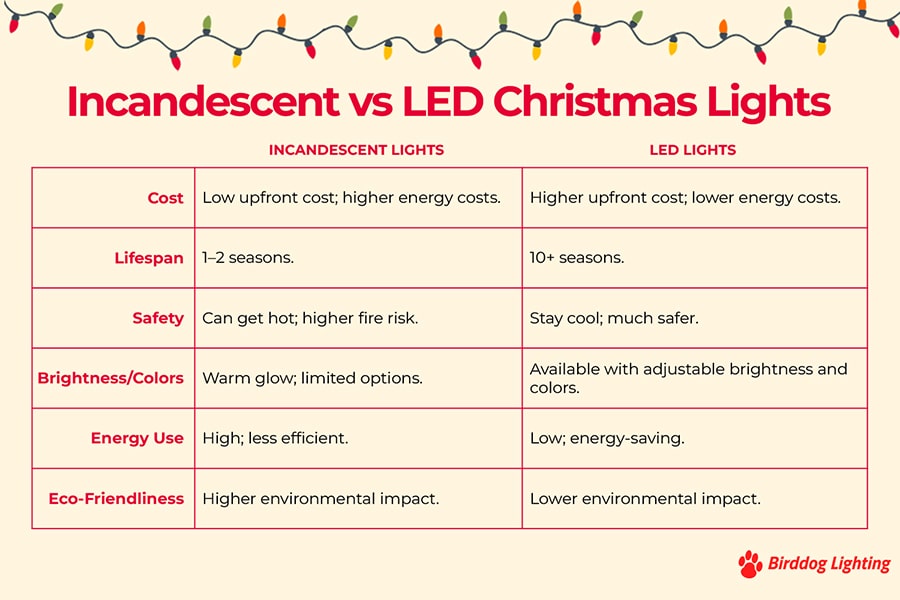
Pros: Cheap to buy initially, provide a warm light.
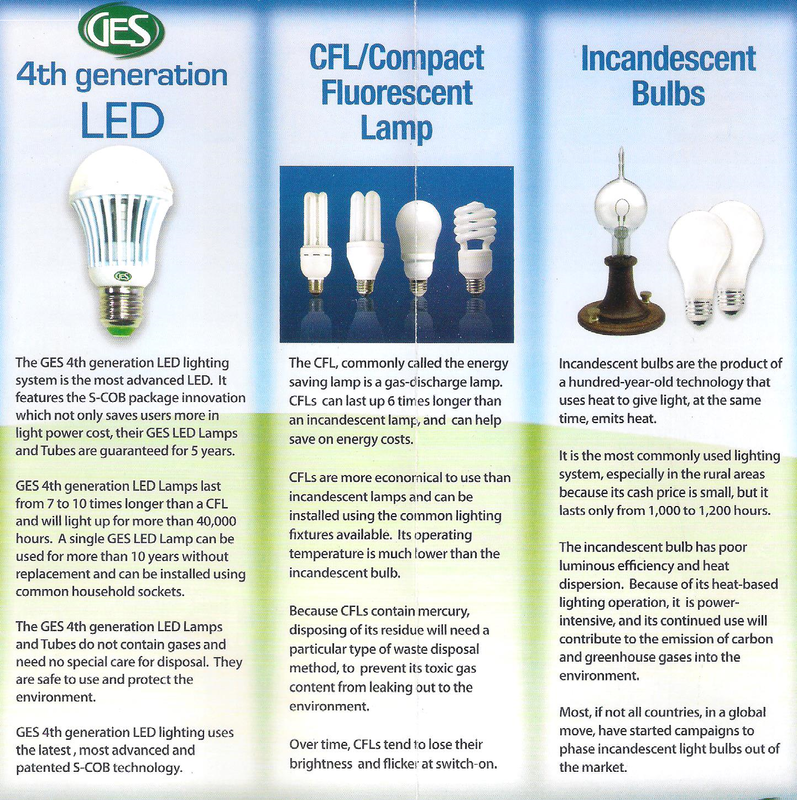
Cons: Incredibly energy-inefficient, short lifespan (they burn out quickly), and generate a lot of heat. Oh, and they're being phased out in many places. Sad trombone.
The New Kid on the Block: LED Lights
Now, let's talk about LEDs, or Light Emitting Diodes. These are the cool kids of the lighting world. They’re modern, sleek, and way more technologically advanced.
LEDs use semiconductors to convert electricity into light. No filament, no extreme heat. It’s like magic, but, you know, science. And the best part? They’re incredibly efficient. We're talking about using up to 75% less energy than incandescent bulbs. That translates to serious savings on your electricity bill. Hello, extra money for more midnight snacks!
Plus, LEDs last way longer. We're talking tens of thousands of hours longer. Think of it this way: You could install an LED bulb and possibly forget about changing it for years. Compare that to the incandescent bulb, which seems to blow out every other week. (Okay, maybe I'm exaggerating... slightly.)
Pros: Energy-efficient, long lifespan, cooler operation, available in a wide range of colors and brightness levels.

Cons: Higher initial cost. But trust me, you'll make that back in energy savings. Think of it as an investment in your future nacho fund.
So, Which One Should You Choose?
Alright, let's cut to the chase. The answer is pretty clear: LEDs are the superior choice in almost every way. While they might cost more upfront, the energy savings and longer lifespan make them the clear winner in the long run.

Think about it: you're essentially trading a small upfront investment for years of lower electricity bills and fewer trips to the store to buy replacement bulbs. It's a no-brainer!
Of course, there's still a place for incandescent bulbs in some situations. Maybe you need that specific warm glow for a vintage lamp or something. But for general lighting, LEDs are the way to go. You'll save money, reduce your environmental impact, and have one less thing to worry about. And who doesn’t want that?
So next time you're staring at those lightbulbs in the junk drawer (or, you know, actually shopping for them), remember this little rundown. Your wallet (and the planet) will thank you. Now, if you'll excuse me, my nachos are getting cold…