Difference Between Hurricane Cyclone And Typhoon

Okay, picture this: I'm on vacation in the Caribbean, sipping a fruity drink with an umbrella in it, thinking life is just peachy. Then, BAM! The news flashes across the TV: "Hurricane Bertha is headed straight for us!" My relaxation levels instantly plummeted. But then I started wondering… Bertha's a hurricane here, but what if I was in Asia? Would it still be a hurricane? Or something else entirely?
That got me thinking, and led me down a very windy, swirling rabbit hole (pun intended!) of meteorological terms. Because let's be honest, are "hurricane," "cyclone," and "typhoon" just fancy words for the same scary thing?
Well, buckle up, buttercup, because the answer is… mostly yes! But with a geographical twist. It's all about location, location, location!
Must Read
The Same Storm, Different Names
Here's the skinny: all three – hurricanes, cyclones, and typhoons – are actually the same type of weather phenomenon: a tropical cyclone. This is the scientific term for a rotating, organized system of clouds and thunderstorms that originates over tropical or subtropical waters and has a closed low-level circulation.
Think of it like this: tropical cyclone is the umbrella term (ha! another weather pun!). Hurricane, cyclone, and typhoon are just the different models under that umbrella. They're essentially the same machine, but marketed with slightly different labels depending on where you are in the world. marketing at its finest!
So, why the different names? Blame history! And a bit of regional preference.
Where's Waldo... I mean, the Hurricane/Cyclone/Typhoon?
Here's the geographic breakdown:
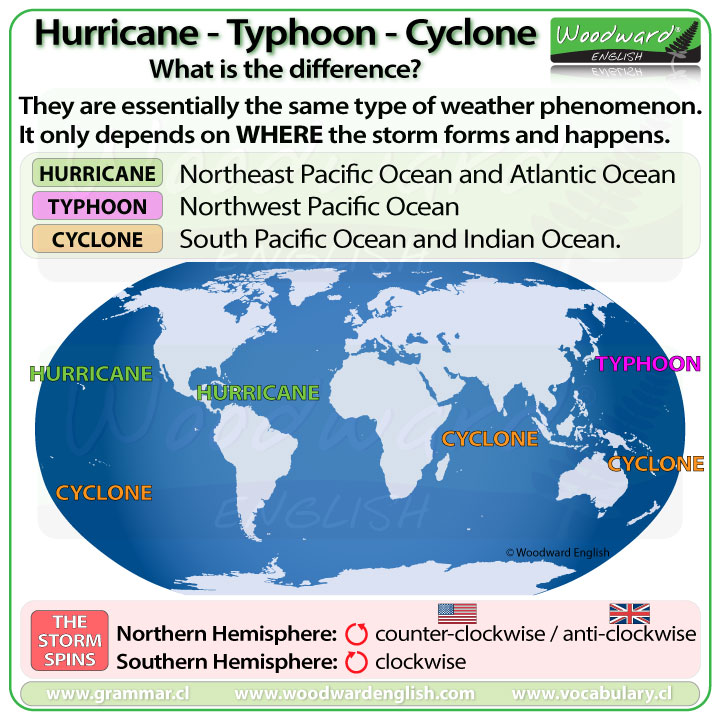
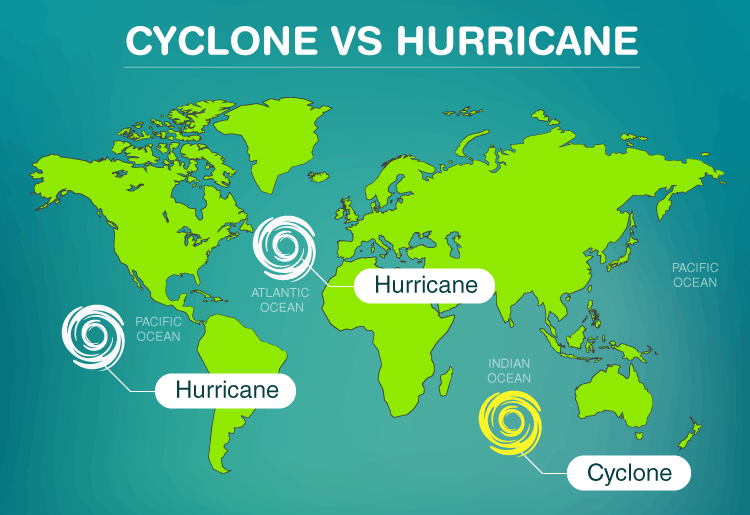
- Hurricane: This is what you call a tropical cyclone that forms over the North Atlantic Ocean, the Northeast Pacific Ocean east of the International Date Line, or the South Pacific Ocean east of 180° longitude. So, think the Caribbean, the US East Coast, and parts of Mexico and Central America.
- Typhoon: This term is used for tropical cyclones that form over the Northwest Pacific Ocean, west of the International Date Line. This includes areas like Japan, the Philippines, and China. Basically, if you're facing a big storm in East Asia, chances are it's a typhoon.
- Cyclone: This is the term used for tropical cyclones that form over the South Pacific Ocean west of 180° longitude or the Indian Ocean. So, you'll hear about cyclones hitting places like Australia, India, and Madagascar.
Essentially, it's a labeling system based on where the storm originated. If it brews up in the Atlantic, it's a hurricane. If it spins into existence in the Northwest Pacific, it's a typhoon. And so on.

Intensity Matters, Too!
Now, it's not just about location. The intensity of the storm also plays a role in how it's classified. Tropical cyclones are categorized based on their sustained wind speeds. But here's another layer of complexity: different regions use slightly different scales!
For example, in the Atlantic and Northeast Pacific, hurricanes are further classified using the Saffir-Simpson Hurricane Wind Scale, which ranges from Category 1 (least intense) to Category 5 (most intense). Other regions might use different scales, but the basic idea is the same: stronger winds mean a more dangerous storm.

So, while a "tropical storm" in the Atlantic might be called something slightly different in the Indian Ocean, the underlying principle remains the same: meteorologists are assessing the storm's strength and potential impact.
Why Does This Matter?
Okay, besides being a fun fact to impress your friends at parties (weather-themed parties, obviously!), understanding the difference between a hurricane, cyclone, and typhoon is actually pretty important. It helps with:
- Accurate communication: Knowing the correct terminology helps everyone understand the location and potential impact of a storm.
- Effective disaster preparedness: Different regions have different preparedness plans based on the types of storms they typically face.
- Global awareness: Recognizing that these storms are all part of the same global weather system highlights the interconnectedness of our planet.
So, next time you hear about a hurricane, cyclone, or typhoon, you'll know that it's all the same storm, just with a different name tag depending on its geographical origin. And hopefully, you'll be sipping your fruity drink safely far away from its path! Stay safe out there, weather enthusiasts! and maybe pack an extra umbrella, just in case