
Difference Between Halogen And Incandescent Light
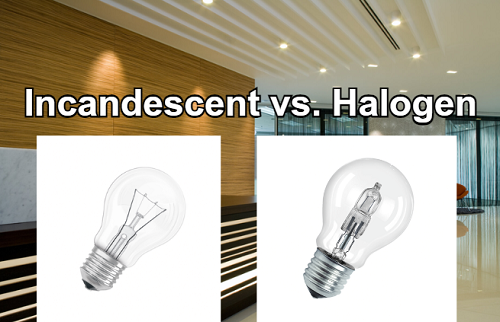
Let's talk about light. Not that fancy philosophical stuff about enlightenment, but the actual, physical light that lets you see where you're going when you stumble into the kitchen for a midnight snack. We're talking about light bulbs, specifically, those old-school workhorses: incandescent and halogen bulbs.
Now, you might think a light bulb is just a light bulb, right? Wrong! It’s like saying all cookies are the same. Sure, they both involve an oven and some flour, but a chocolate chip cookie is a far cry from a biscotti (unless you like dipping your biscotti in chocolate, in which case, carry on!). Incandescent and halogen bulbs, while related, have some key differences. Think of them as cousins; they share some family traits, but one clearly spends more time at the gym (and the other… well, let's just say enjoys relaxing more).
Incandescent: The Original Party Animal (Kind Of)
Imagine a tiny little wire filament inside the bulb getting super, super hot. Like, “I’m-gonna-glow-like-the-sun” hot. That's essentially what happens in an incandescent bulb. It's a simple concept, and that's part of its charm. These bulbs have been around for ages. They're the friendly, familiar face of lighting, the one that your grandma probably still uses in her reading lamp.
Must Read
Incandescent bulbs give off a warm, cozy light. Think of it as the equivalent of a roaring fireplace… without the risk of setting your rug on fire. They’re excellent for creating a relaxing atmosphere, perfect for winding down after a long day or setting the mood for a romantic dinner (candlelight is still better, but hey, every little bit helps!).
However, and this is a big however, incandescent bulbs are notoriously inefficient. Remember that wire getting super hot? Well, a lot of that energy goes into producing heat, not light. It's like throwing a pizza party and most of the pizzas end up in the garbage. You get the good times, but at what cost? They're like that friend who means well but always seems to leave the lights on and the water running.

Halogen: Incandescent's Energetic Cousin
Enter the halogen bulb. Think of it as the incandescent bulb that went to finishing school and learned how to be more efficient (and slightly more dramatic). It's still technically an incandescent bulb because it still uses a filament to create light, but it has a few tricks up its sleeve.
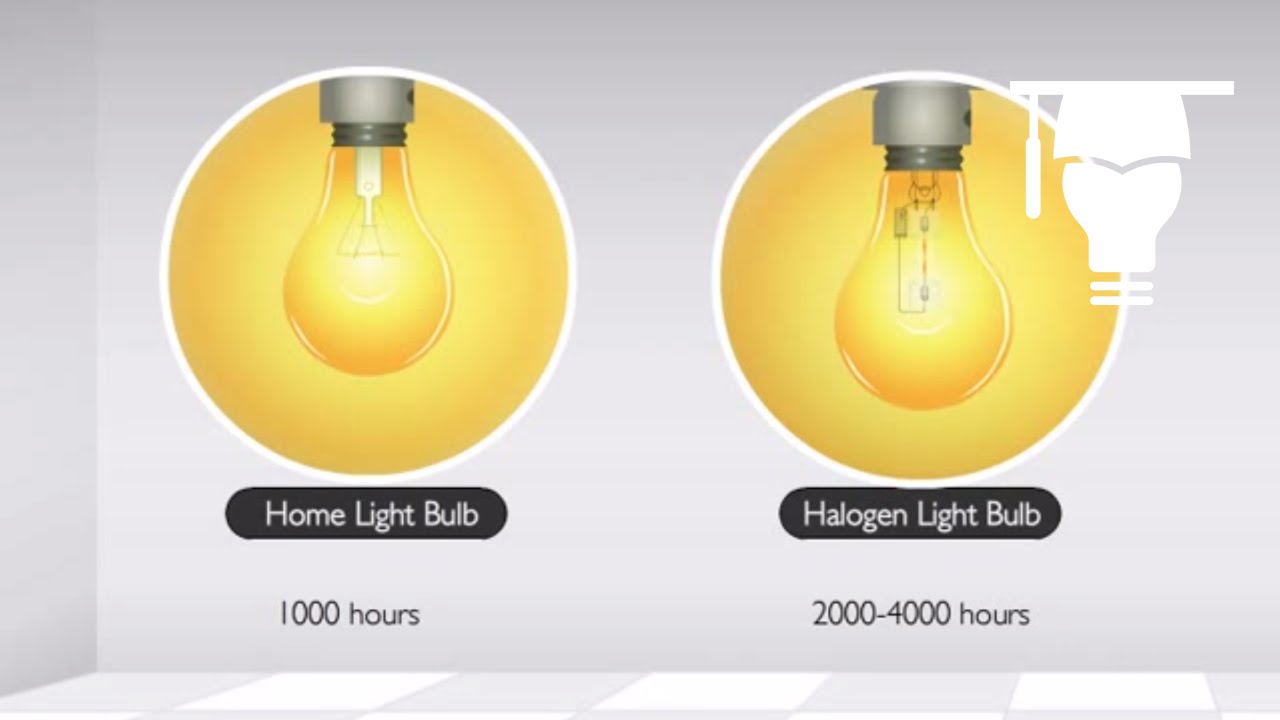
The key difference lies in the gas inside the bulb. Halogen bulbs contain, you guessed it, halogen gases, like iodine or bromine. These gases create something called the “halogen cycle,” which is a fancy way of saying that the filament gets hotter, burns brighter, and lasts longer. It's like having a tiny self-cleaning oven inside your light bulb. Less wasted energy, longer lifespan. Pretty neat, huh?
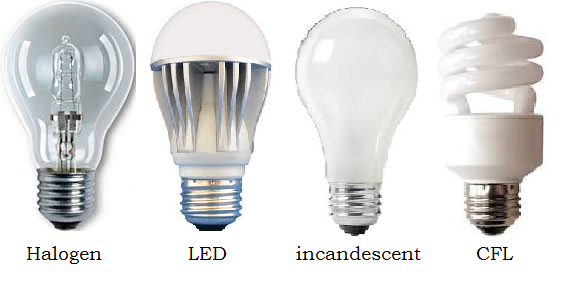
Halogen bulbs tend to produce a whiter, brighter light than incandescent bulbs. They’re often used in places where you need focused light, like in desk lamps or spotlights. They're like the laser pointer of the lighting world, helping you zero in on what's important.
Think of halogen bulbs as the incandescent bulb's go-getting, environmentally conscious cousin.
However, they can get really hot. Like, “don’t touch me unless you want a brand” hot. So, be careful when handling them. Also, because of their intensity, they tend to cast harsher shadows than their incandescent counterparts.
The Takeaway: It's All About the Vibe (and the Electricity Bill)
Ultimately, the choice between incandescent and halogen bulbs comes down to personal preference and what you're trying to achieve. Do you want a warm, cozy glow for your living room? Incandescent might be your best bet. Do you need bright, focused light for your workspace? Halogen could be the way to go. And of course, don't forget to consider your electricity bill! Incandescent bulbs, while charming, can be real energy hogs.
And who knows, maybe this knowledge will give you something to talk about at your next dinner party. "Did you know," you can casually say, swirling your wine, "that the halogen cycle increases the lifespan of the filament?" Your guests will be impressed, or at least slightly confused. Either way, you’ll have shed some light on the subject!
