Difference Between Green And Clear Oxygen Tubing
Ever noticed those vibrant, seemingly magical tubes snaking around a glassblower's studio, or perhaps coiling artfully in a DIY crafting space? Oxygen tubing, often associated with medical settings, has found a surprising second life – a colourful and creative one! While its primary purpose remains delivering life-giving oxygen, its aesthetic appeal and versatile nature are making it a surprisingly popular material among artists, hobbyists, and even casual learners.
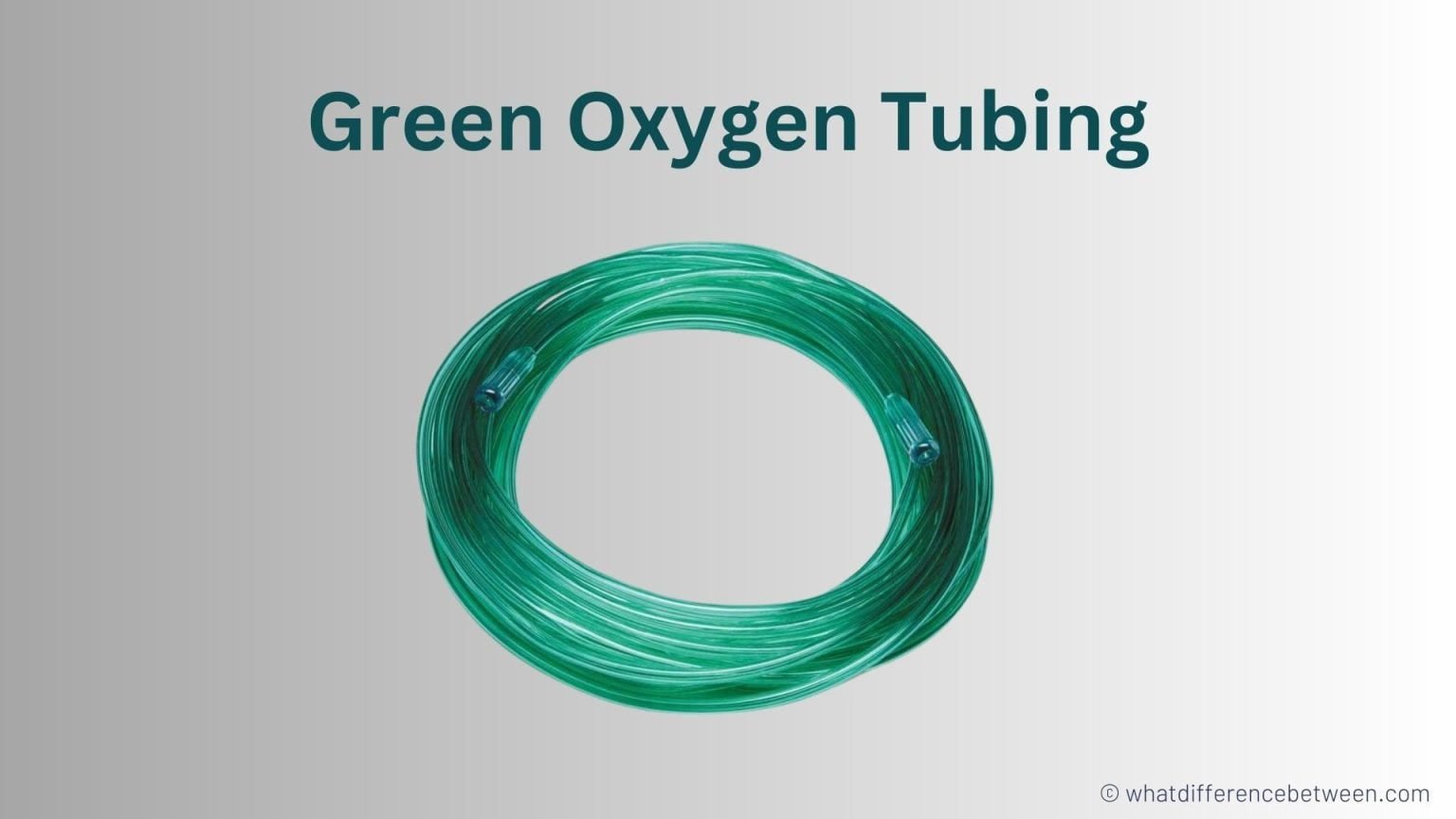
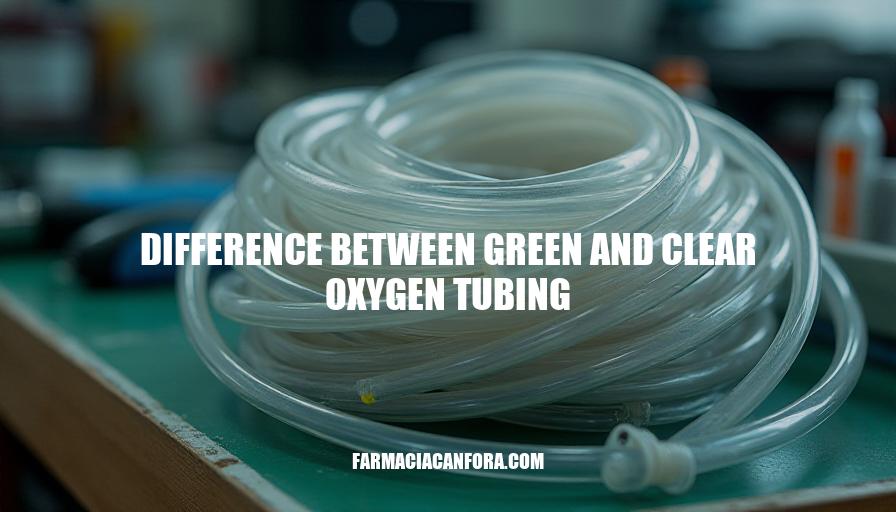
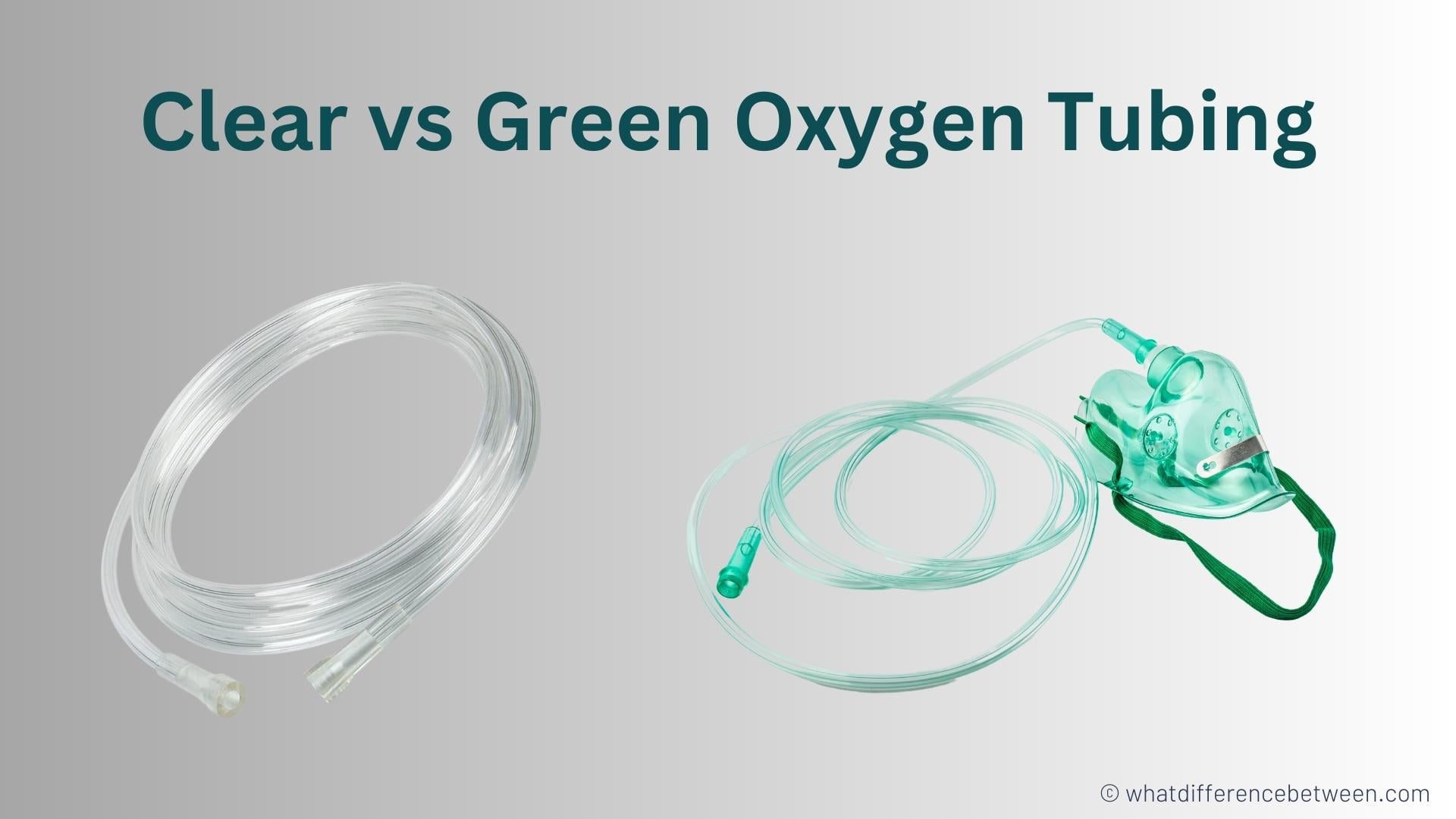
But what's the difference between the green and clear varieties you often see? It's a question that sparks curiosity, and the answer reveals a simple yet impactful distinction that's relevant whether you're a seasoned artisan or just starting to explore the world of creative projects. Both types perform the same function, transporting oxygen, but the colour coding helps differentiate their specific uses and intended applications.
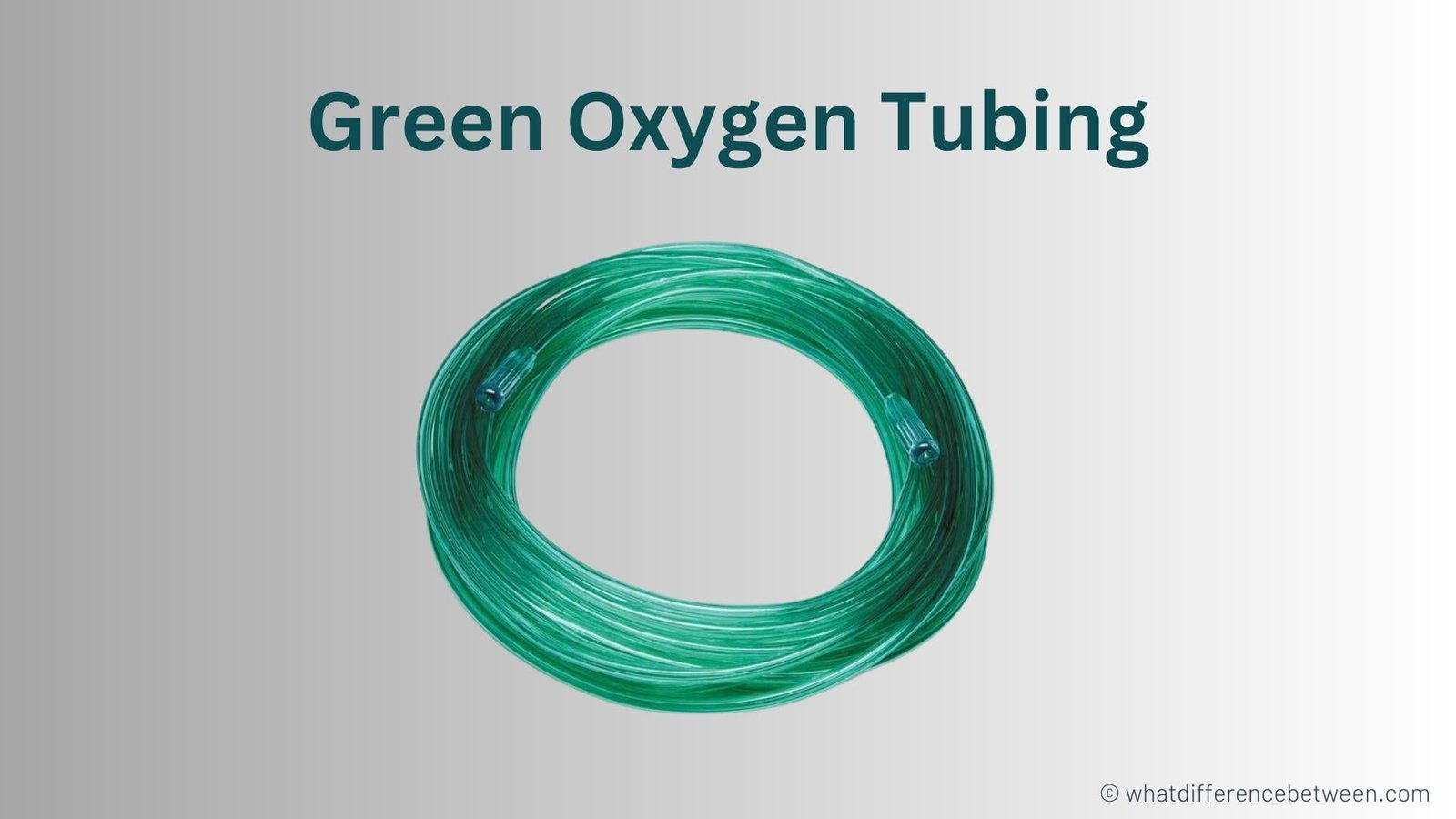
For artists and hobbyists, the colour difference opens up a world of possibilities. Think of it this way: clear tubing allows for unimpeded visual monitoring of the gas flow. This is crucial in scientific demonstrations or intricate projects where observing the oxygen's pathway is essential. Imagine building a miniature bubbling fountain, where the clarity of the tube lets you appreciate the water's journey. On the other hand, green tubing provides a distinct visual cue. In a busy workshop, it clearly marks the line carrying oxygen, reducing the risk of accidental disconnection or confusion with other types of tubing. This is particularly useful for collaborative projects or shared workspace environments. Think of a stained-glass artist using oxygen to fuel their torch; the green tube provides instant visual confirmation.
Must Read
Let's look at some examples. Glassblowers frequently utilize both types depending on the situation. Clear tubing might be used for intricate lampworking where observing the flame's characteristics is paramount. Green tubing, being more visible, might be used for the main oxygen supply line running along the wall. Similarly, a hydroponics enthusiast could use clear tubing to monitor nutrient solutions and air being pumped into their system, while a maker working with a CO2 laser might choose green to ensure the oxygen supply is readily identified.
Feeling inspired to give it a try? Here are a few tips for incorporating oxygen tubing into your own projects at home: Safety first! Even if you’re not using oxygen in the traditional sense, treat any pressurized system with respect. Start with small-scale projects like decorative tubing art or DIY lighting fixtures. Explore different bending and shaping techniques – you can use a heat gun on a low setting to carefully soften the tubing for more intricate designs. Consider incorporating LED lights within the tubing for a vibrant and unique effect. Always ensure proper ventilation, especially when using heat.
Ultimately, the appeal of working with oxygen tubing lies in its adaptability and visual interest. It's a material that can be both functional and beautiful, adding a touch of industrial chic or scientific whimsy to any project. The colour difference between green and clear, while seemingly minor, opens up creative avenues and enhances safety. So, whether you're building a complex artistic installation or a simple home experiment, don't be afraid to embrace the versatility of oxygen tubing and discover the joy of transforming a functional component into a work of art. It's a fun and surprisingly accessible way to add a unique touch to your creations!