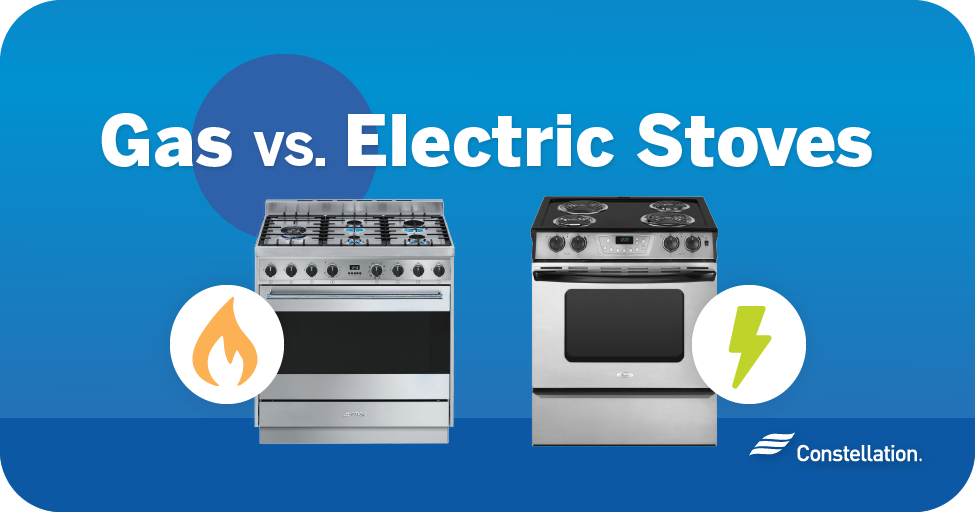
Difference Between Gas Stove And Electric Stove
Let's face it, cooking is a pretty essential part of life. For many, it's even a joy! Whether you're whipping up a gourmet meal or just scrambling some eggs, the heart of the kitchen is often the stove. But have you ever stopped to really think about the differences between a gas stove and an electric stove? It's more than just a matter of preference; it's about understanding how each one works and how it impacts your cooking experience.
The purpose of a stove, of course, is simple: to provide heat for cooking. They are integral to preparing almost every meal we consume. Think about it – from boiling pasta to searing a steak, from simmering sauces to frying pancakes, the stove is the unsung hero of countless culinary creations. It's a cornerstone of our daily routines, allowing us to nourish ourselves and our families. And choosing the right type of stove can significantly affect the efficiency and enjoyment of this process.
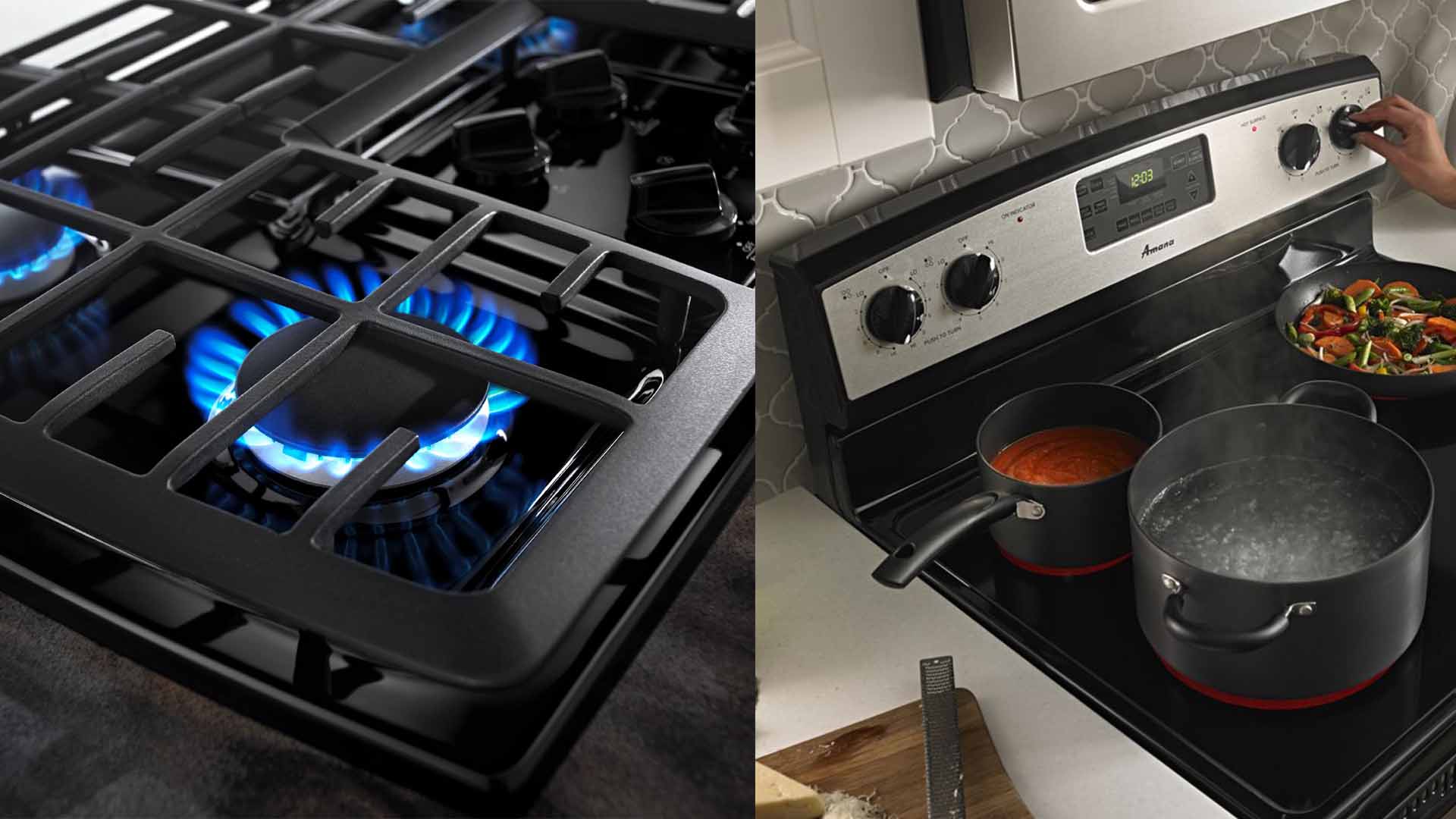
The most obvious difference between gas and electric stoves lies in their heating method. A gas stove uses a flame produced by burning natural gas or propane. You can instantly see and control the intensity of the heat, giving you a very visceral connection to your cooking. Electric stoves, on the other hand, use electric resistance to heat either a coil (in older models) or a smooth ceramic glass surface. Newer induction stoves use electromagnetism to directly heat the cookware, making them very energy efficient.
Must Read
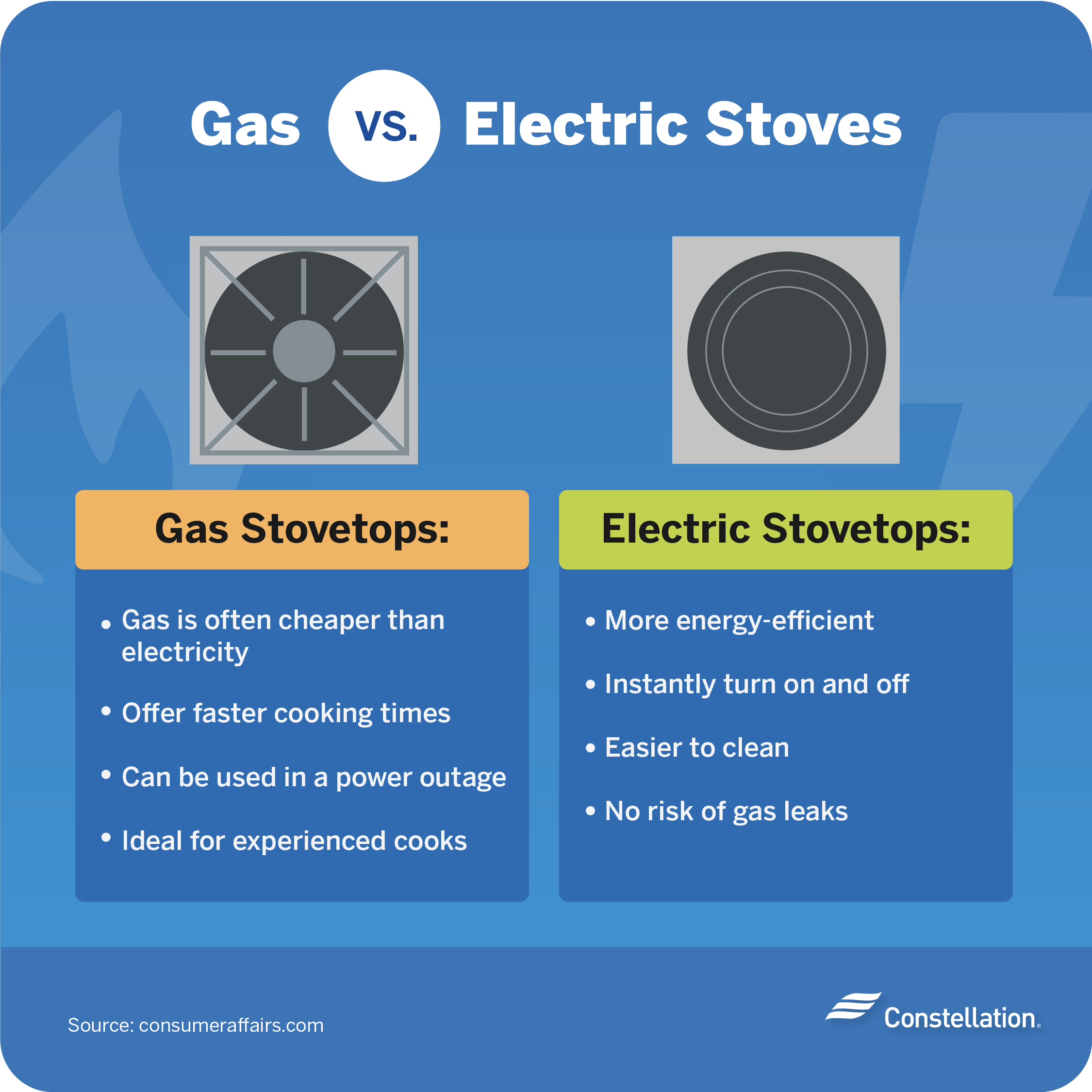
So, what are the benefits of each? Gas stoves are often praised for their responsiveness. The heat adjusts almost instantaneously when you turn the knob, giving you precise control over the cooking process. Many chefs prefer this level of control, especially when it comes to delicate sauces or quick stir-fries. They also work during power outages (assuming you have a standing pilot light or a manual ignition source). The downside? Gas stoves can be less energy efficient and require a gas line connection, which might not be available in all homes. Cleaning around the burners can also be a bit of a chore.
Electric stoves, especially the smooth-top varieties, are known for their ease of cleaning. A quick wipe with a damp cloth is usually all it takes. Induction stoves are even easier, as the surface doesn’t get as hot. They are also generally more energy-efficient than gas stoves, especially if you opt for an induction model. However, electric stoves can be slower to heat up and cool down, and the heat distribution might not be as even as with gas. Induction stoves require compatible cookware.
Want to enjoy your stove more effectively, regardless of the type? Here are a few practical tips: For gas stoves, regularly clean the burners to ensure optimal flame distribution. For electric stoves, use cookware with flat bottoms to ensure good contact with the heating element. And regardless of your stove type, invest in high-quality cookware. Good pots and pans will distribute heat more evenly and last longer, making your cooking experience more enjoyable and efficient. Also, always prioritize safety; never leave a stove unattended, and keep flammable materials away from the heat source.
Ultimately, the "best" stove depends on your individual needs and preferences. Consider your cooking style, your budget, and your home's infrastructure when making your decision. Happy cooking!