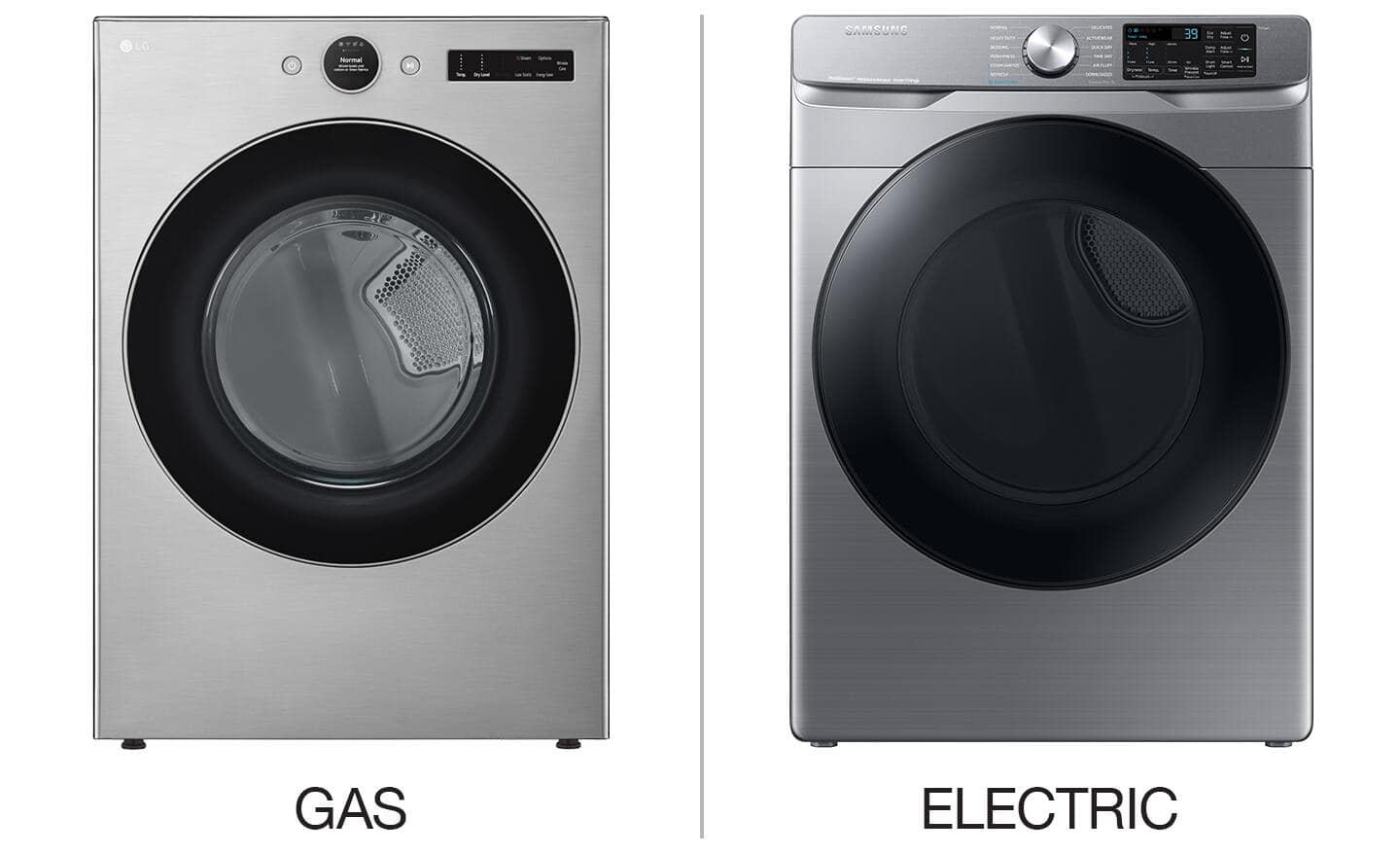
Difference Between Gas Dryer And Electric Dryer
Laundry: it's a fact of life, right? And while separating colors from whites might be the peak of excitement for some, the real question is: gas dryer or electric dryer? It might seem like a small detail, but choosing the right dryer can actually save you money, make your clothes last longer, and even impact your home's overall energy efficiency. So, let's dive into the wonderful world of dryers and see what's what!
For beginners just setting up their first apartment or home, the choice can be bewildering. Both types of dryers do the same basic job – dry clothes – but they do it in different ways. An electric dryer uses an electric heating element to heat the air, which then tumbles through your clothes, evaporating the water. A gas dryer, on the other hand, uses a gas burner to heat the air. So, the key difference boils down to the energy source.
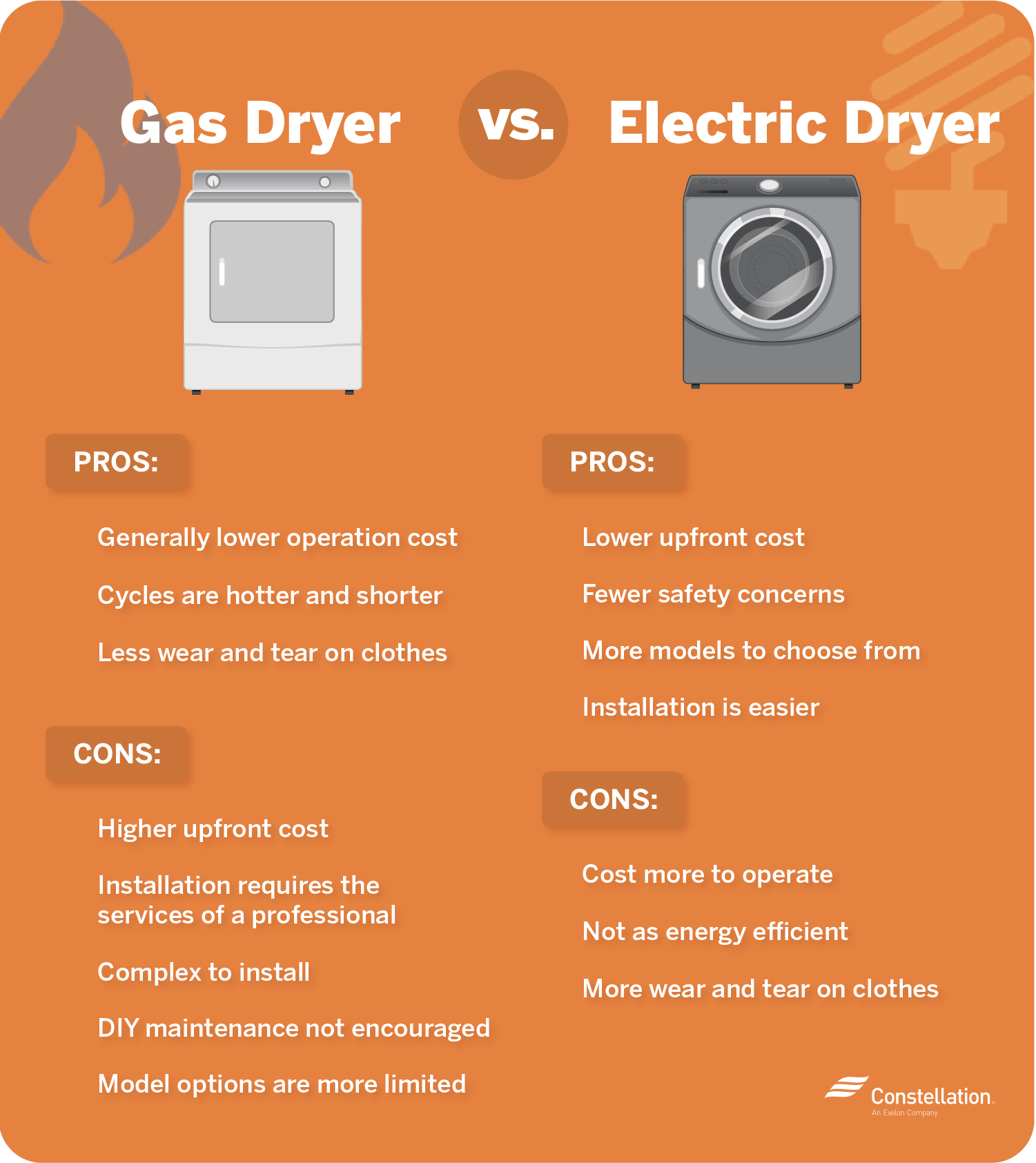
Families juggling mountains of laundry will be particularly interested in the running costs. Generally, gas dryers are cheaper to operate in the long run, especially if you already have a natural gas line running to your home. While the initial purchase price of a gas dryer might be a bit higher, the lower cost of natural gas compared to electricity often makes up for it over time. This can translate to significant savings on your utility bills. However, it's essential to check the local gas and electricity rates to get an accurate estimate for your specific situation.
Must Read
For hobbyists and those who are environmentally conscious, the choice might depend on other factors. Some might argue that gas dryers have a slightly smaller carbon footprint, depending on the source of your electricity. Others might be drawn to the simplicity of electric dryers, especially if they plan to use solar panels as a renewable energy source. Also, if you are thinking about living off-grid or using renewable energy, you should consider a ventless dryer, which is an electric dryer that uses a heat pump instead of a heating element, making it extremely energy efficient.
Think of it like this: electric dryers are often easier to install since they only require an electrical outlet. Gas dryers need a gas line connection, which might require professional installation. Also, gas dryers need to be vented to the outside to remove exhaust fumes, while some electric dryers offer ventless options. Ventless dryers are great for apartments or homes where venting is difficult or impossible.
:max_bytes(150000):strip_icc()/gas-dryer-vs-electric-dryer-2146251_FINAL-5bbe54b846e0fb00511f28f4.png)
Simple Tips for Getting Started:
- Check your existing hookups: Do you have a gas line or a 240-volt electrical outlet available? This might be the deciding factor right there!
- Consider your budget: Factor in the initial purchase price and the long-term operating costs.
- Read reviews: See what other people are saying about different models.
- Don't be afraid to ask for help: Appliance stores are staffed with experts who can guide you through the selection process.
Choosing the right dryer doesn't have to be a chore. By understanding the differences between gas and electric dryers, and considering your individual needs and circumstances, you can make an informed decision that will save you money, energy, and maybe even a little bit of laundry-related stress. Happy drying!