
Difference Between Deep Cycle And Regular Battery

Ever wondered what's ticking inside that battery powering your adventures? Batteries, right? Simple! But wait... there's more!
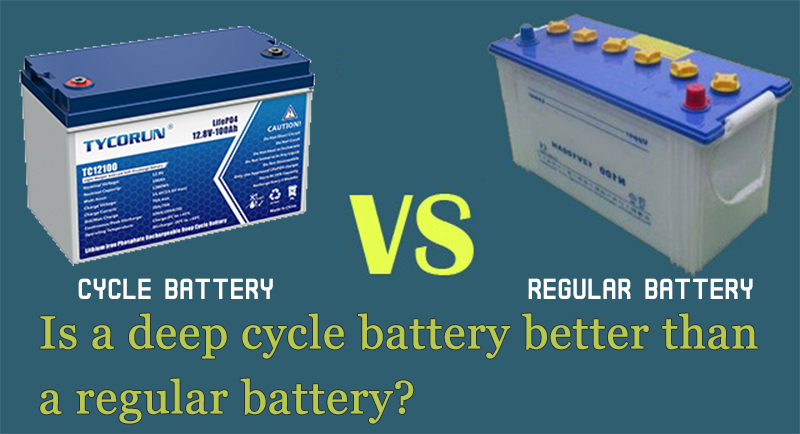
Let's dive into the wild world of batteries. We're talking about two main contenders: deep cycle and regular (starting) batteries. Think of them as superheroes with totally different powers.
Deep Cycle vs. Regular: A Battery Battle Royale!
Imagine a marathon runner versus a sprinter. That's kind of like our battery duo. Each is designed for a specific kind of energy output.
Must Read
Deep cycle batteries are the marathon runners. They're built for the long haul, providing steady power for extended periods.
Regular (starting) batteries? Sprinters! They deliver a burst of energy to kickstart your engine, then chill out.
The Deep Dive into Deep Cycle Batteries
These batteries are the workhorses of the battery world. They're designed to be discharged and recharged repeatedly.
Think of powering your RV, boat, or even a solar power system. These are the places where a deep cycle battery really shines.
They can handle being drained down to a significant percentage of their capacity without getting grumpy. Regular batteries? Not so much.
Why Deep Cycle Batteries are So Cool
Imagine running your fridge off-grid for days. That's the kind of power a deep cycle offers. They are awesome for off-grid living.
They are robust. They're built to endure numerous cycles of discharge and recharge, ensuring a long and reliable lifespan.
Plus, they're often used in renewable energy systems, contributing to a greener future. How cool is that?
The Spark About Starting Batteries
These are your car's best friend. They deliver a powerful surge of energy to get your engine revving.
They're designed for quick bursts, not long-term power. Think of it as a sprint, not a marathon.
Once the engine is running, the alternator takes over, recharging the battery for the next start.
Starting Batteries: Quick and Efficient
Starting batteries are masters of their domain. They excel at delivering a high current for a short period.
They're lighter and generally less expensive than their deep cycle counterparts. Making them a great choice for their intended purpose.
However, draining them deeply can significantly shorten their lifespan. Treat them with respect!
The Key Differences: A Simple Breakdown
Let's get down to the nitty-gritty. What really sets these batteries apart?
Discharge Depth: Deep cycle batteries can handle deep discharges. Starting batteries? Not so much.
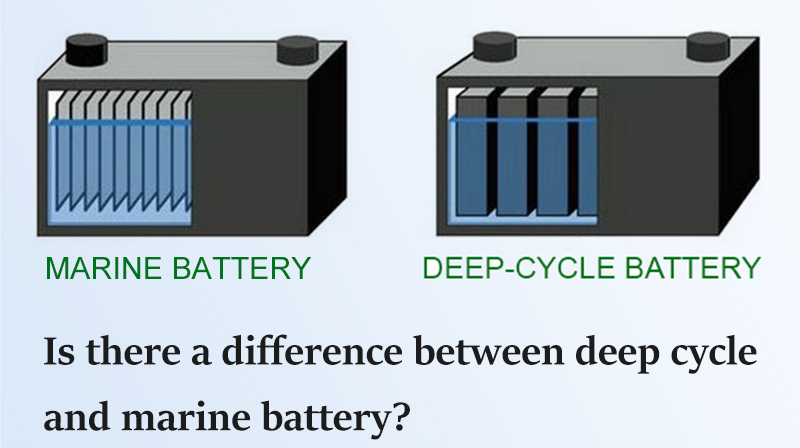
Construction: Deep cycle batteries have thicker plates to withstand repeated cycling. Starting batteries have thinner plates for maximum surface area.
Usage: Deep cycle batteries power sustained loads. Starting batteries start engines.
Discharge Depth: The Deep End vs. the Shallow End
Imagine a swimming pool. Deep cycle batteries are like diving into the deep end, using a large portion of their capacity.
Starting batteries are more like dipping your toes in the shallow end. A quick burst, and then they're done.
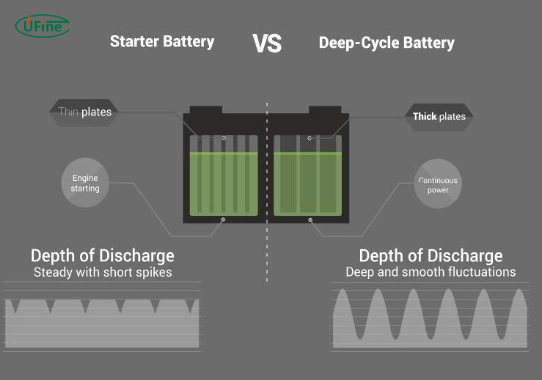
Repeatedly draining a starting battery deeply will cause it to degrade quickly. It's just not what they're designed for.
Construction: Built to Last vs. Built for Speed
Think of building a house. Deep cycle batteries are built with sturdy materials, like thicker plates, to withstand the test of time.
Starting batteries are built for speed and efficiency, using thinner plates to maximize surface area for a powerful current.
The thicker plates in deep cycle batteries allow them to endure the stresses of repeated discharge and recharge cycles.
Usage: Sustained Power vs. Quick Start
Consider powering a refrigerator off-grid. You need a steady source of power for days or weeks. That's deep cycle territory.
Starting your car requires a burst of power to crank the engine. That's the starting battery's specialty.
Using the wrong battery for the job can lead to frustration and a shortened battery lifespan. Choose wisely!
Can You Use a Starting Battery as a Deep Cycle Battery?
Short answer: you can, but you really shouldn't. It's like using a butter knife to saw wood. It'll technically work, but...
Starting batteries aren't designed for deep discharges. Repeatedly draining them will significantly reduce their lifespan.
You'll end up replacing your battery much sooner than you would if you used a proper deep cycle battery.

Can You Use a Deep Cycle Battery as a Starting Battery?
Again, technically yes, but it's not ideal. Deep cycle batteries provide a lower current than starting batteries.
While they can start an engine, they might struggle in cold weather. And might not deliver the oomph your car craves.
Plus, deep cycle batteries are often more expensive, so it's generally not the most cost-effective solution.
Choosing the Right Battery: A Few Tips
Know your power needs. What are you powering? For how long?
Consider the discharge depth. How much of the battery's capacity will you be using?
Think about the environment. Will the battery be exposed to extreme temperatures or vibrations?
Know Your Power Needs
If you're powering an RV or a boat, a deep cycle battery is likely the way to go.
If you just need to start your car, a starting battery will do the trick.
Understanding your power needs is the first step in choosing the right battery.
Consider the Discharge Depth
If you plan to regularly drain the battery to 50% or more of its capacity, a deep cycle battery is essential.
If you only need a quick burst of power, a starting battery is sufficient.
Matching the battery to the intended discharge depth will maximize its lifespan.
Think About the Environment
If the battery will be exposed to extreme temperatures, choose a battery that is designed to withstand those conditions.
If the battery will be subjected to vibrations, choose a battery with a robust construction.
Considering the environment will ensure that your battery performs reliably for years to come.
In Conclusion: Battery Bliss!
So, there you have it! The exciting world of deep cycle and regular batteries, demystified.
Understanding the differences between these two types of batteries can save you time, money, and frustration.
Choose the right battery for the job, and enjoy the power!
Think of it as matching the right tool to the right task. A hammer for nails, a wrench for bolts, and the perfect battery for your power needs.
Now go forth and conquer the battery landscape with your newfound knowledge!
And remember, a little battery knowledge goes a long way. Happy powering!