Difference Between Dc Voltage And Ac Voltage
Ever plugged your phone in to charge and thought, "Electricity is kind of magical"? It is! We rely on it for nearly everything, from keeping our food cold to powering our entertainment. But have you ever stopped to consider that the electricity powering your devices comes in two main flavors: AC and DC? Think of them as the chocolate and vanilla of the power world. Both delicious, but distinct in their characteristics and applications.
Why should you care about AC and DC? Understanding the basics can unlock a whole new level of appreciation for the technology that surrounds you. Think about troubleshooting a simple electrical problem, understanding why some devices need adapters, or even just being a more informed consumer. Grasping the difference between AC and DC is surprisingly useful in everyday life.
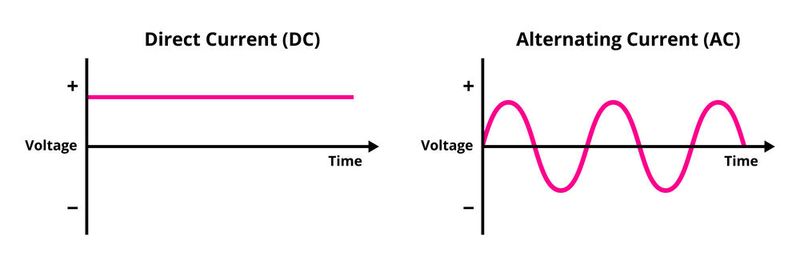
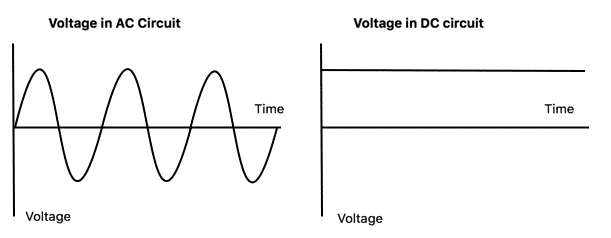
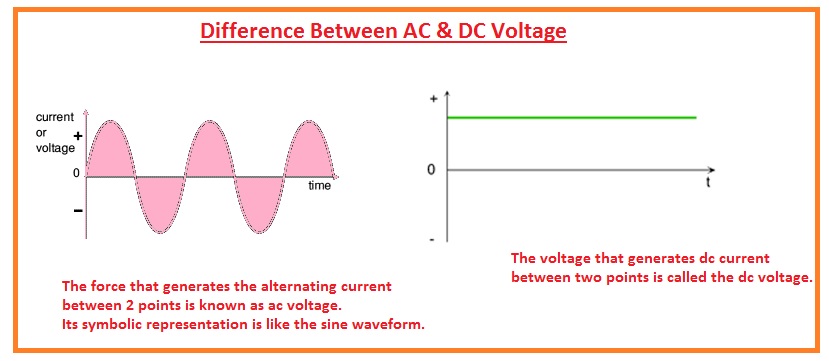
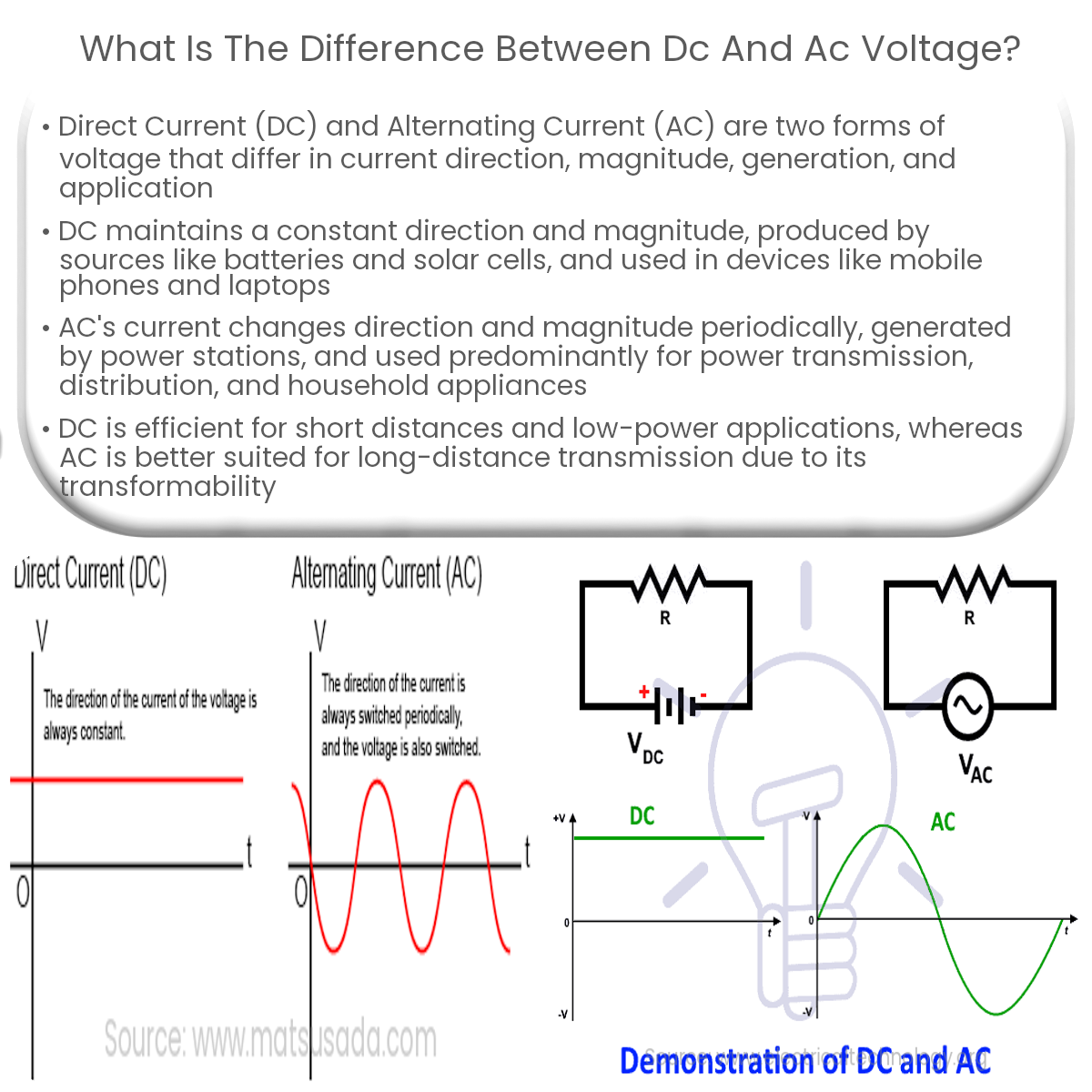
So, what is the difference? DC, or Direct Current, is like a one-way street. The electricity flows consistently in one direction. Think of a battery. It provides a steady stream of electrons, powering your flashlight or remote control. This consistent flow is ideal for powering electronics like your phone, laptop, and most other gadgets. They need that steady, predictable power source to function correctly.
Must Read
AC, or Alternating Current, on the other hand, is more like a two-way street with a traffic cop constantly switching directions. The flow of electricity changes direction periodically. This is the type of electricity that powers your home. It comes from the power grid, generated by power plants using various sources like coal, gas, or renewable energy. Why AC for powering our homes? It's all about efficiency! AC can be transmitted over long distances more easily and cost-effectively than DC. This is because AC voltage can be easily increased or decreased using transformers. This allows power companies to transmit electricity at high voltage (reducing losses) and then step it down to a safe voltage for use in your home.
Common examples abound. DC powers your phone, your car's electrical system, and many small electronic devices. AC powers your refrigerator, your lights, your oven – essentially anything plugged into a standard wall outlet. You'll often find a power adapter (that bulky thing between your device and the wall) converting AC from the wall into the DC needed by your electronics.
So, how can you enjoy understanding AC and DC more effectively? First, pay attention to the labels on your devices. Notice which ones require adapters and which ones don't. This will give you a practical understanding of which devices use AC or DC. Second, explore simple electronics projects. Building a basic circuit with a battery and an LED can be a fun and hands-on way to understand how DC works. Finally, don't be afraid to ask questions! The internet is full of resources explaining electrical concepts. Dive in and you'll be surprised at how much you can learn.
Understanding AC and DC might seem like a small thing, but it's a fundamental aspect of the technology that shapes our world. By appreciating these fundamental differences, you can unlock a new level of understanding and appreciation for the powerful role electricity plays in our lives.