Difference Between Crude Oil And Natural Gas
Think about the last time you flipped a light switch, drove your car, or even just enjoyed a warm shower. Chances are, crude oil and natural gas played a pivotal role in making those everyday moments possible. We often take these energy sources for granted, but they're the unsung heroes powering our modern lives, and understanding the difference between them is more important than you might think.
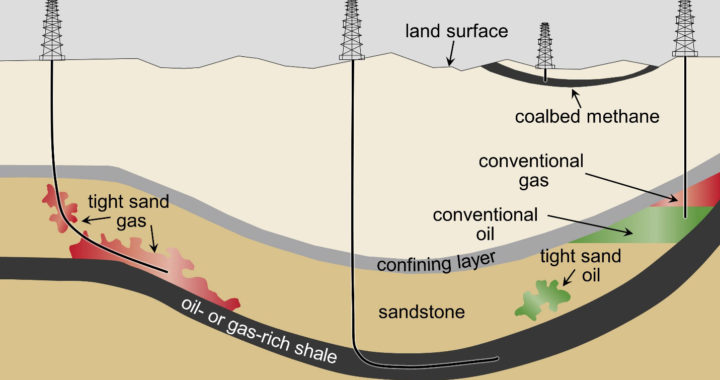
So, what exactly are crude oil and natural gas, and why are they so crucial? Both are fossil fuels formed over millions of years from the remains of ancient marine organisms subjected to immense pressure and heat deep beneath the Earth's surface. They're both incredibly versatile energy sources, but their distinct properties lead to different applications and benefits. The primary purpose they serve is to provide energy, a cornerstone of modern society. Without them, transportation, manufacturing, heating, and electricity generation would grind to a halt.
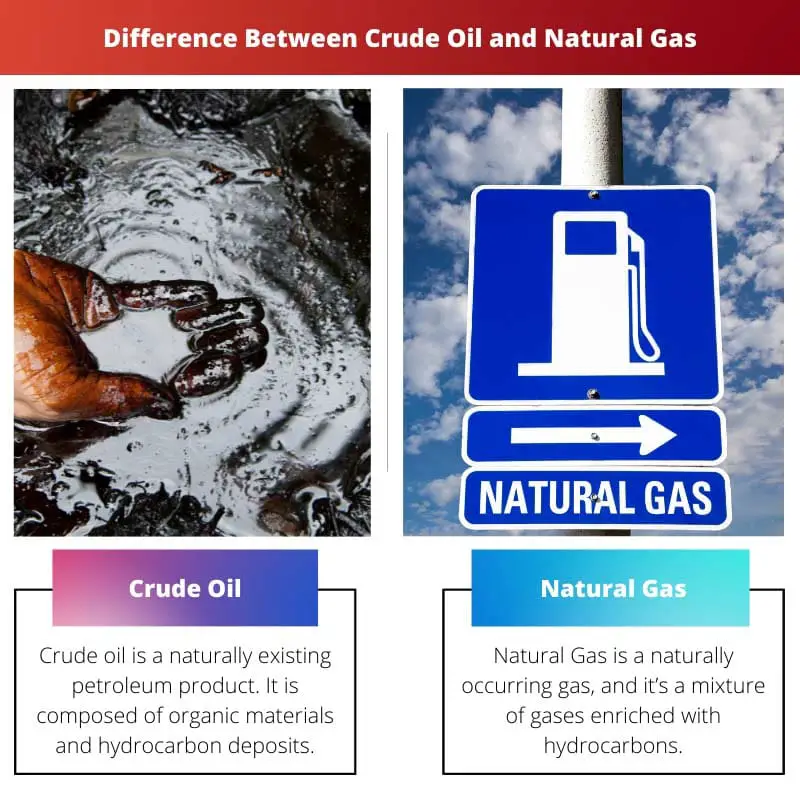
Crude oil, as the name suggests, is a thick, gooey liquid in its raw state. It's a complex mixture of hydrocarbons that needs to be refined into various products before it can be used. Think of it like the ultimate ingredient for countless everyday items. Gasoline for our cars, diesel for trucks and trains, jet fuel for airplanes – all derived from crude oil. Beyond transportation, it's also used to produce plastics, lubricants, fertilizers, and even some cosmetics. Its applications are incredibly diverse, impacting nearly every aspect of our lives.
Must Read
Natural gas, on the other hand, is primarily composed of methane, a lighter and cleaner-burning hydrocarbon. It's often found alongside crude oil deposits but can also exist independently. One of its biggest advantages is its efficiency in electricity generation. Power plants utilize natural gas to heat water, creating steam that spins turbines and generates electricity. It's also a popular choice for heating homes and businesses, powering appliances like stoves and water heaters, and even as a feedstock for producing chemicals and fertilizers. Increasingly, it's being compressed (CNG) or liquefied (LNG) to fuel vehicles as a cleaner alternative to gasoline and diesel.
So, how can we enjoy (and utilize) these energy sources more effectively and responsibly? Firstly, be mindful of your energy consumption. Simple habits like turning off lights when you leave a room, using energy-efficient appliances, and properly insulating your home can significantly reduce your reliance on fossil fuels. Secondly, support the development of renewable energy sources. While crude oil and natural gas remain important, investing in solar, wind, and geothermal energy is crucial for a sustainable future. Thirdly, consider hybrid or electric vehicles. They reduce your reliance on gasoline and contribute to cleaner air. Finally, stay informed about energy policy and advocate for responsible environmental practices. By understanding the differences between crude oil and natural gas and their impact on our world, we can make informed choices that contribute to a more sustainable and energy-efficient future for everyone.