
Difference Between Ceramic And Non Stick Pans
Let's face it, nobody enjoys scrubbing burnt food off a pan at the end of a long day. That's why the promise of easy cleanup and perfectly cooked meals makes both ceramic and non-stick pans so appealing. These kitchen workhorses offer a convenient shortcut to deliciousness, saving us time and frustration in the process. Whether you're whipping up a batch of scrambled eggs, searing a delicate piece of fish, or simply making grilled cheese, a good pan is essential.
But with so many options on the market, it can be tricky to know which type of pan is right for you. Both ceramic and non-stick pans are designed to prevent food from sticking, but they achieve this in different ways and offer different advantages. Understanding these differences can help you make an informed decision and get the most out of your cookware.
The core purpose of both types of pans is to make cooking and cleaning easier. They reduce the need for excessive oil or butter, making them a healthier option too. Think about how often you use a frying pan: breakfast, lunch, and dinner! They are incredibly versatile and vital for creating a wide range of dishes. From everyday omelets to weekend pancakes, these pans simplify the cooking process. They also make meal prep a breeze.
Must Read
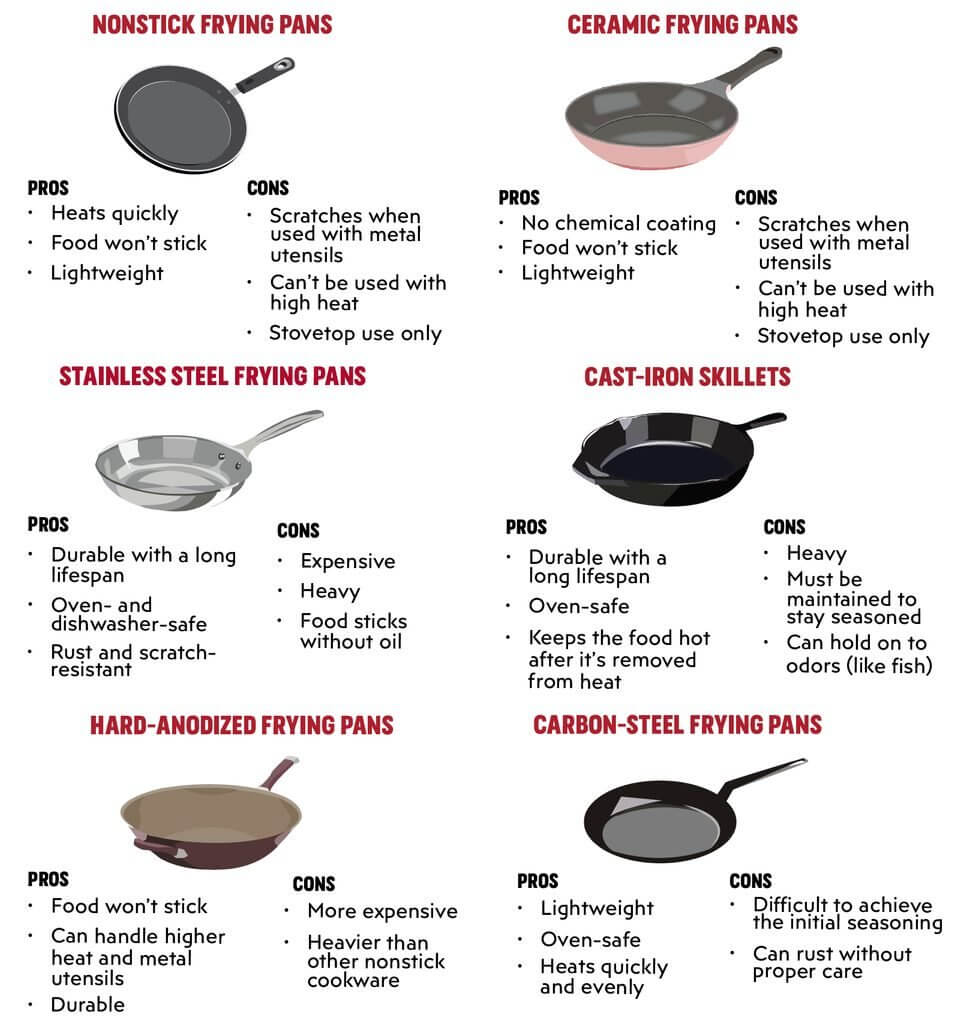
Traditional non-stick pans typically feature a coating made of Teflon (PTFE) or similar synthetic materials. This coating creates a slick surface that prevents food from adhering to the pan. The primary benefit is exceptional non-stick performance, even with minimal oil. These pans are generally more affordable than ceramic options and are readily available in various sizes and shapes. However, it's important to note that PTFE coatings can degrade over time, especially with high heat or abrasive cleaning. Some older PTFE pans also contained PFOA, a chemical linked to health concerns, although this is largely phased out in modern cookware.
Ceramic pans, on the other hand, use a coating made from ceramic materials, often derived from sand. This coating also offers non-stick properties, although perhaps not quite as dramatically as PTFE. Ceramic pans are often marketed as being more environmentally friendly and free of potentially harmful chemicals like PFOA and PTFE. They can also withstand higher temperatures than traditional non-stick pans, making them suitable for searing. However, ceramic coatings tend to wear down more quickly, and they can be more susceptible to damage from metal utensils.
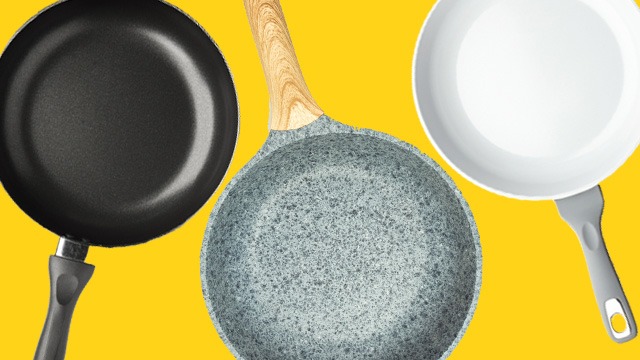
So, how can you enjoy your ceramic or non-stick pans more effectively? First, always use low to medium heat. High heat can damage the coating and shorten the lifespan of your pan, regardless of the material. Second, avoid using metal utensils. Opt for silicone, nylon, or wooden utensils to prevent scratching the surface. Third, hand-wash your pans with warm, soapy water and a soft sponge. Avoid abrasive cleaners or scouring pads, as these can damage the coating. Finally, store your pans carefully to prevent them from scratching each other. Consider using pan protectors or hanging them on a rack.
Ultimately, the best choice between ceramic and non-stick pans depends on your individual needs and preferences. Consider your cooking style, budget, and priorities when making your decision. With proper care and maintenance, both types of pans can provide years of easy cooking and cleaning enjoyment.
:max_bytes(150000):strip_icc()/Ceramic-Vs-Nonstick-a6402473941449128c1434e9bac32d24.jpg)

