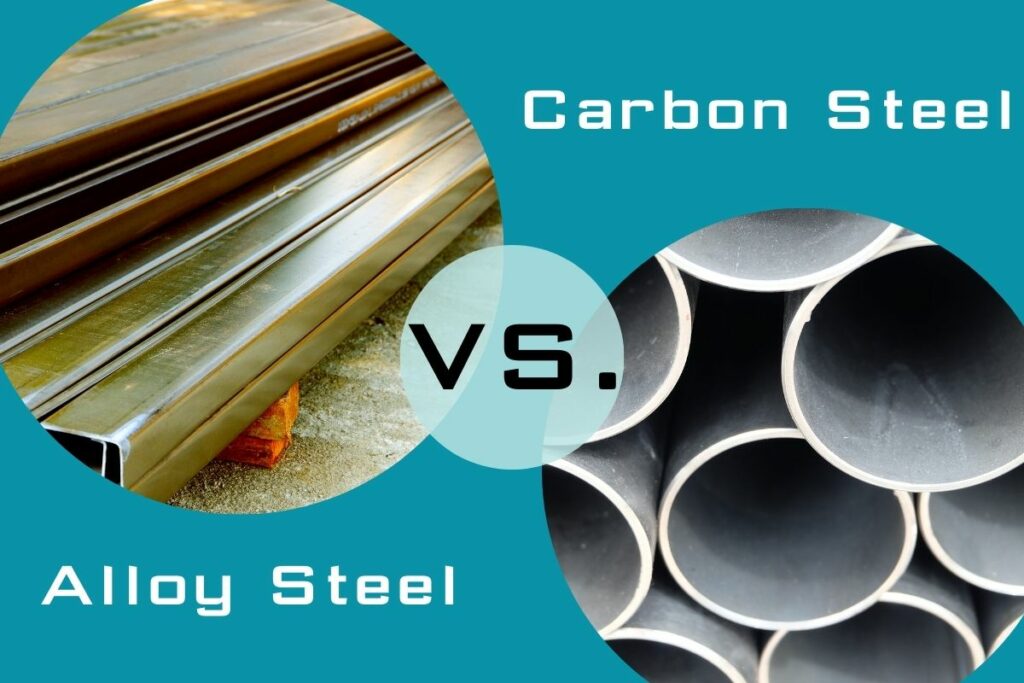
Difference Between Carbon Steel And Alloy Steel
Ever wonder what makes your trusty wrench different from the gleaming chassis of a sports car? A big part of the answer lies in the metals they're made from – specifically, the fascinating world of steel! Now, steel might sound like a boring, industrial topic, but trust us, understanding the difference between carbon steel and alloy steel is surprisingly useful. It's like knowing the difference between baking with all-purpose flour and using a specialized gluten-free blend. Both are flour, but they behave very differently, right? This knowledge can help you make informed choices, whether you're buying tools, understanding construction materials, or just impressing your friends with your surprisingly deep knowledge of metallurgy!
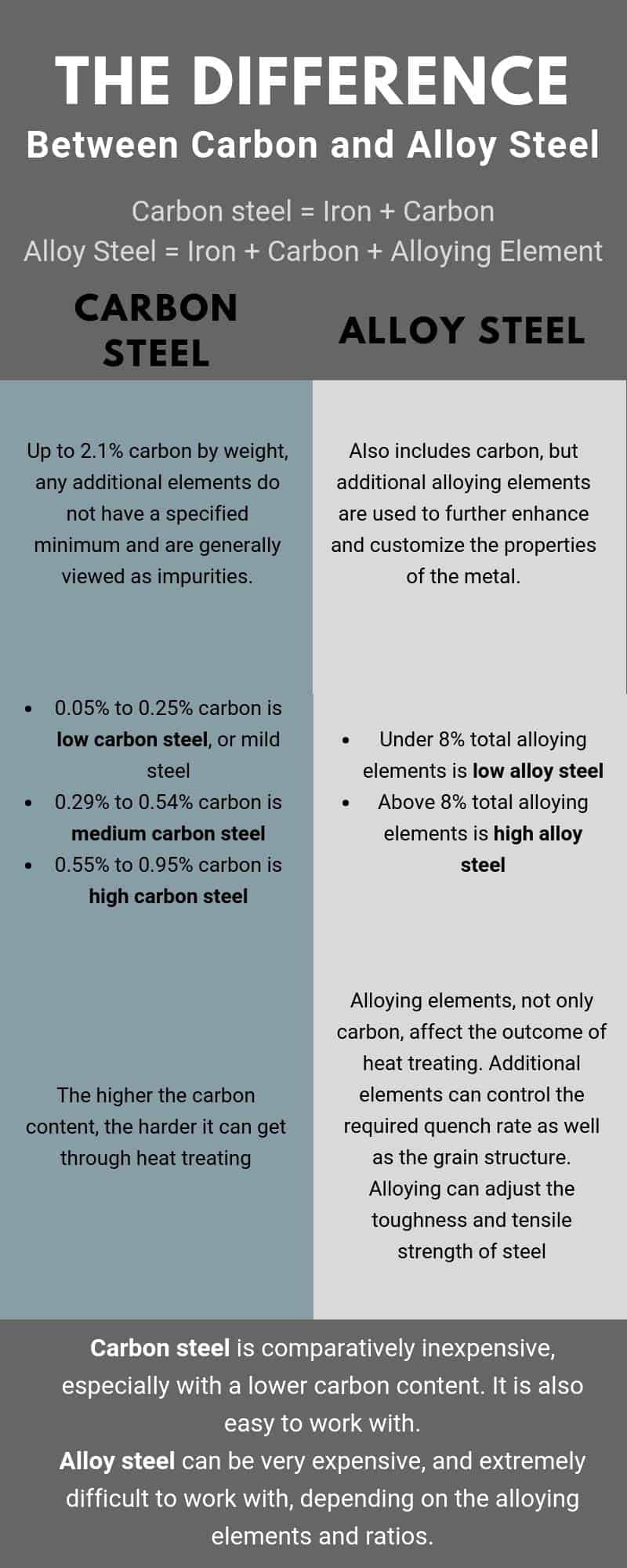
Let's start with carbon steel. Think of it as the OG steel, the foundation upon which many other types are built. Carbon steel is primarily iron with a relatively small amount of carbon added – typically between 0.05% and 2.1% by weight. That carbon is crucial! It's what hardens the iron and makes it…well, steel! The higher the carbon content, the harder and stronger the steel generally becomes. However, too much carbon can also make it more brittle and less weldable. Carbon steel is popular because it's relatively inexpensive, strong, and easy to work with. You'll find it in everything from construction beams and pipelines to basic hand tools and kitchen knives. Its purpose is to provide strength and durability in a cost-effective manner.
Now, let's move on to alloy steel. Imagine carbon steel as a blank canvas. Alloy steel takes that canvas and adds other elements – think of them as special pigments – to enhance certain properties. These "alloying elements" can include things like manganese, silicon, nickel, chromium, vanadium, molybdenum, and many more! Each element brings something different to the party. For example, adding chromium makes the steel more resistant to corrosion (hello, stainless steel!), while adding nickel improves its toughness and strength.
Must Read
The purpose of alloy steel is to tailor the steel's properties for specific applications. Need something that can withstand extreme temperatures? There's an alloy steel for that. Need something super strong and lightweight? You guessed it, alloy steel! The benefits are numerous and depend on the specific alloy composition. They can include increased hardness, strength, toughness, wear resistance, corrosion resistance, and improved weldability. You'll find alloy steels in everything from aircraft engines and high-performance racing cars to specialized tools and surgical instruments. They're the workhorses of industries that demand peak performance and reliability.
So, to recap: Carbon steel is the basic, cost-effective option, perfect for general-purpose applications where strength and affordability are key. Alloy steel is the specialized, high-performance option, designed for demanding applications where specific properties are crucial. Choosing the right steel depends entirely on the job at hand. Now you're armed with the basic knowledge to understand why one piece of metal might be preferred over another. Pretty cool, right?