
Difference Between Brazing And Braze Welding

Imagine you're building a magnificent gingerbread house. One way is to carefully glue the walls together with royal icing. Another is to actually melt the edges of the gingerbread to fuse them. That, in a sugary nutshell, is the difference between brazing and braze welding.
It all boils down to what gets melty. Are you melting the filler metal to join two pieces, or are you melting the edges of the pieces themselves?
Brazing: The Gentle Art of Sticky Metal
Think of brazing as a sophisticated version of gluing. You're using a special metal "glue" (the filler metal) that melts at a lower temperature than the metals you're joining. It's like using a fancy, heat-activated metal adhesive.
Must Read
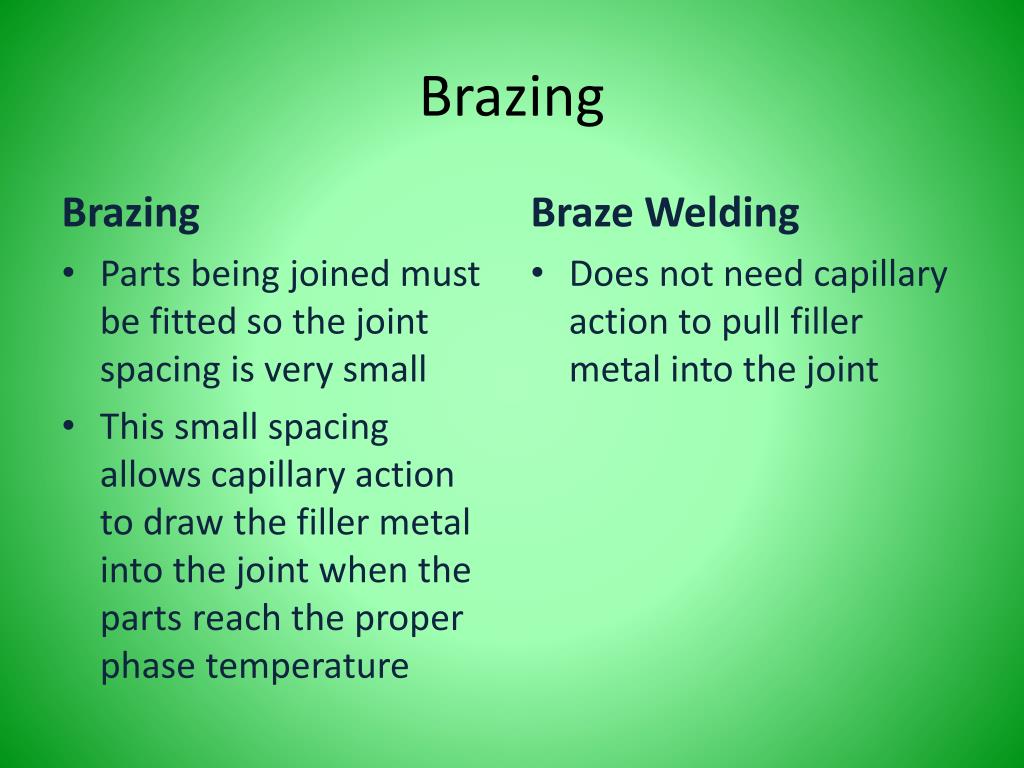
The base metals (the actual parts you're joining) stay solid. The molten filler metal flows into the joint through capillary action – picture water soaking into a paper towel.
This creates a strong bond without drastically changing the properties of the original materials. It's subtle, elegant, and doesn't involve too much heat drama.
Why Choose Brazing?
Brazing is perfect when you need to join different metals together. Maybe you're creating a steampunk-inspired masterpiece with copper pipes and brass gears.
It's also great for delicate work where too much heat could warp or damage your materials. Think intricate jewelry or sensitive electronic components.
And because the base metals don't melt, you can achieve incredibly precise joints. No messy, melted edges to clean up!
Plus, brazing is often faster and easier than other joining methods. No wonder it's a favorite in many workshops and factories.
But here's a secret: The filler metal you use in brazing are often alloys based on copper, silver, aluminum and/or nickel.
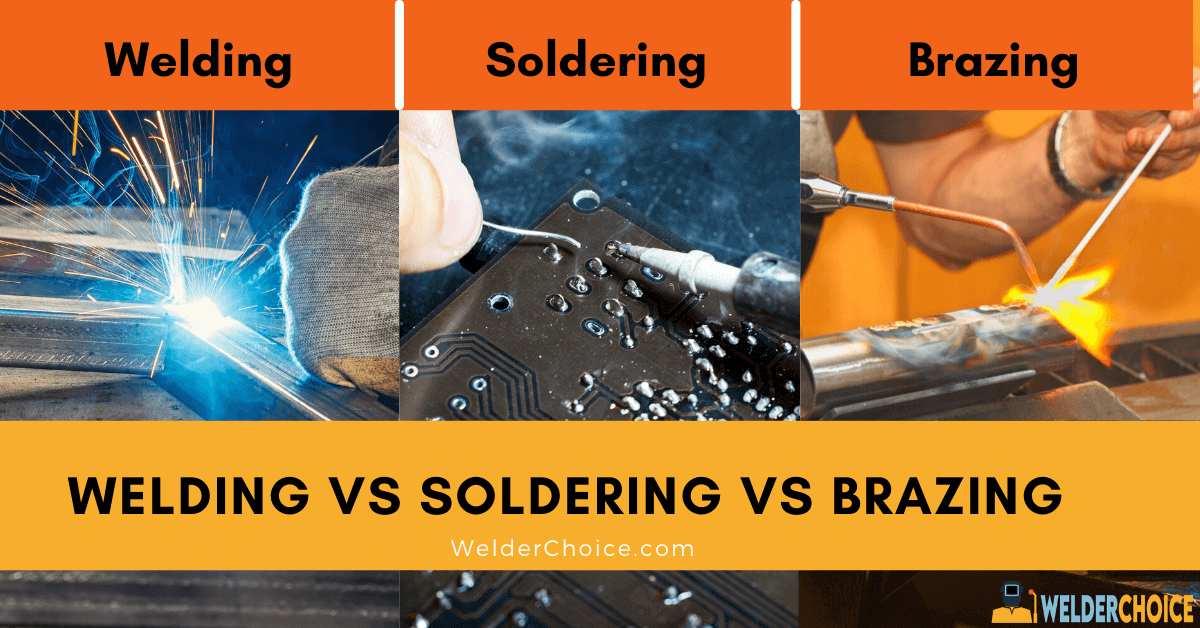
Braze Welding: A Hotter, More Direct Approach
Braze welding, on the other hand, is a bit more...intense. It's like deciding to lightly caramelize the edges of your gingerbread house walls in addition to using the icing.
While you're still using a filler metal that melts at a lower temperature than the base metals, the technique involves heating the base metals to a higher temperature than in standard brazing.
The edges of the base metals get heated enough to become "tinny," meaning they're ready to grab onto the molten filler metal. It's a more direct bond.
The Braze Welding Advantage
Braze welding creates a stronger joint than brazing. Because it's almost like a mini-weld but without fully melting the base metals.
This makes it ideal for repairing damaged parts where you need a robust, durable fix. Think mending a crack in a metal gate or patching up a vintage car frame.
It's also suitable for joining thicker materials where the extra heat helps the filler metal penetrate deeper. Strength is really what you are getting!
However, braze welding requires more skill and precision. You need to control the heat carefully to avoid warping or damaging the base metals.
If you get it wrong, you might find your metal project looking a little melted and sad. So, practice makes perfect!
Oh, and did you know that braze welding filler rods are larger than brazing ones?
The Big Showdown: Brazing vs. Braze Welding
So, which technique reigns supreme? It all depends on the situation!
If you need a delicate touch for joining dissimilar metals or fragile parts, brazing is your champion. It's the elegant dancer of the metalworking world, light on its feet and precise in its movements.
But if you need raw strength for repairs or joining thick materials, braze welding steps into the ring. It's the heavyweight boxer, delivering powerful blows and creating unbreakable bonds.
Think of brazing as sewing fabric, and braze welding as riveting metal. Both join, but one is gentler and the other, tougher.
Ultimately, both brazing and braze welding are valuable tools in any metalworker's arsenal. Understanding their strengths and weaknesses allows you to choose the best technique for each project, ensuring a strong and lasting bond.
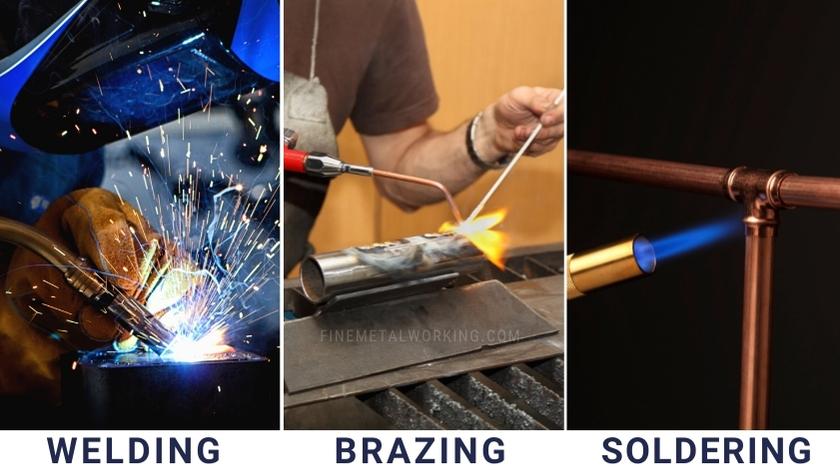
The Art of Imperfection
Now, let's be honest: even the most skilled metalworkers make mistakes. Sometimes, a braze joint isn't quite perfect. Maybe the filler metal didn't flow evenly, or the joint isn't as strong as you'd hoped.
But that's okay! Imperfection is part of the learning process. Every failed joint is a lesson learned, a chance to refine your technique and try again.
And sometimes, those imperfections add character to your work. A slightly wobbly joint can tell a story, revealing the hand of the maker and the journey of the project.
So, don't be afraid to experiment, to make mistakes, and to embrace the imperfections that make your work unique. Because in the end, it's the passion and creativity that matter most.
Remember, practice makes perfect. So, go grab your torch, your filler metal, and start brazing (or braze welding) something amazing!
Beyond the Basics: Fun Facts and Trivia
Did you know that brazing has been around for thousands of years? Ancient civilizations used brazing to create intricate jewelry, tools, and weapons.
The Egyptians were particularly skilled at brazing gold and other precious metals, creating stunning artifacts that still dazzle us today.
In fact, some historians believe that brazing was one of the earliest forms of metal joining, predating welding by centuries. Talk about a timeless technique!
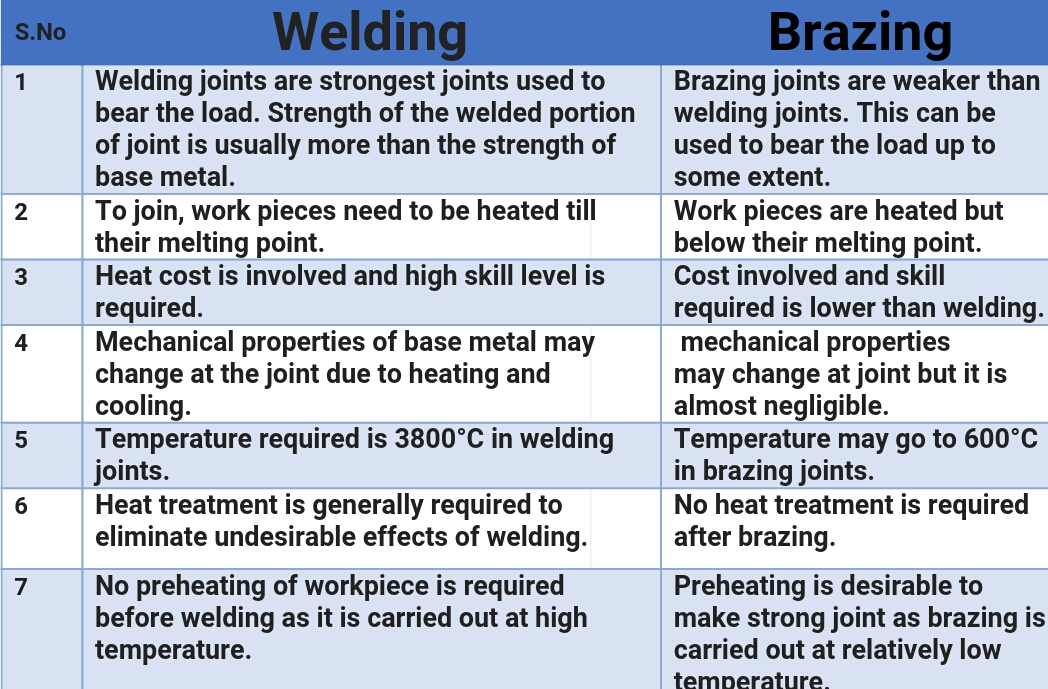
Also, while welding requires safety glasses to prevent eye damage from sparks, brazing might require safety glasses as well as a respirator to prevent lung damage from fumes and chemicals that are released during the process.
A Heartwarming Conclusion
Brazing and braze welding aren't just about joining metal. They're about connecting things, about creating something new from separate pieces.
They're about fixing what's broken, about giving new life to old objects. It's a way to express your creativity, to build something with your own hands.
And in a world that often feels disconnected, there's something deeply satisfying about that. So, the next time you see a beautifully brazed or braze-welded object, take a moment to appreciate the skill, the artistry, and the connection that went into creating it.
Maybe even try it yourself. You might just discover a new passion.
Consider these skills as the glue and screws to our lives, sometimes all that is needed is just a little repair to keep things intact and beautiful.