
Difference Between Auto And On On Thermostat
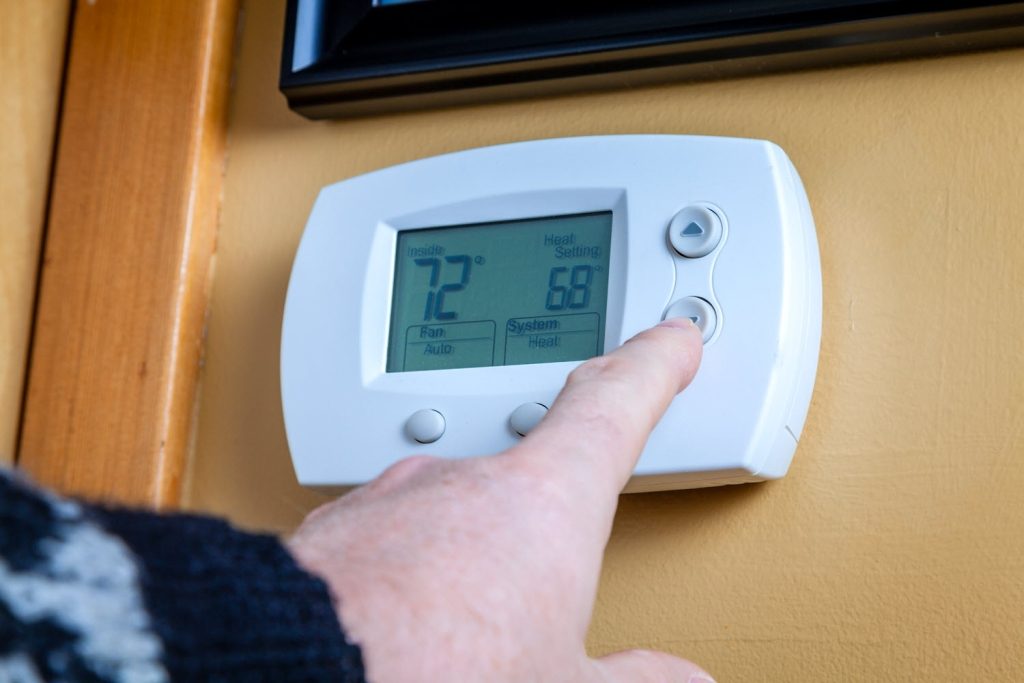
Okay, so picture this: I'm sprawled on the couch, binging my latest guilty pleasure (don't judge!), and I start to feel this weird temperature rollercoaster. One minute I'm reaching for a blanket, the next I'm fanning myself with a magazine. I grumble and think, "Ugh, the thermostat is acting up AGAIN!" I get up, and stare at the little screen, and I see it: the dreaded "ON" setting. My husband swore he knew what he was doing... maybe not so much? It got me thinking though – what really is the difference between "Auto" and "On" on a thermostat? Let's dive in, shall we?
Let's start with the obvious, but often misunderstood: "On."
When your thermostat is set to "On," it's basically telling your HVAC system, "Hey, just keep running. All the time." Think of it like a tireless, slightly obsessive marathon runner. It doesn't care what the temperature actually is in your house. It just keeps chugging along, either blasting hot air or freezing cold air, depending on the season. Which, you can probably guess, isn't exactly energy-efficient (or comfortable, as I personally experienced).
Must Read
Now, the upside is that you'll maintain a very consistent temperature. But hey, who needs consistent when you're also breaking the bank? (Just kidding... mostly.)
So, who would even use the "On" setting? Well, maybe if you have a super specific need for a consistently controlled environment, like a server room or a wine cellar. But for your average household, trust me, it's probably not the way to go. Unless you really, really love giving money to the electric company.
Next up, we have "Auto."
Ah, "Auto." The unsung hero of temperature control! This setting is the smart one. It's like having a tiny, responsible adult living inside your thermostat. The "Auto" setting tells your HVAC system to only kick on when the temperature in your home deviates from your set point.
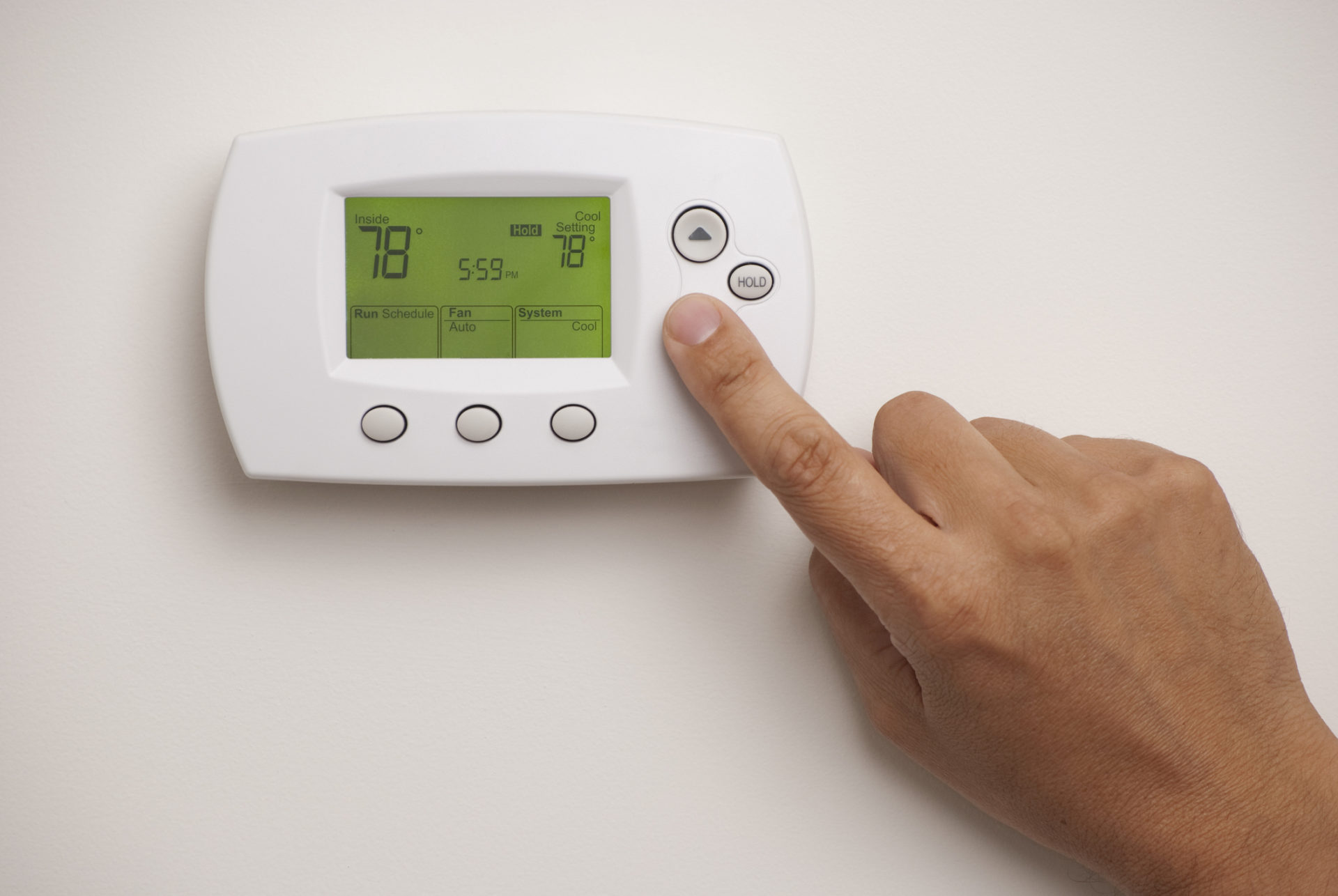
Let's say you set your thermostat to 72 degrees. With "Auto" engaged, your furnace or air conditioner will only fire up when the temperature dips below or rises above that magical 72-degree mark. Once the desired temperature is reached, the system shuts off. It's like a well-trained athlete pacing themselves, conserving energy until it's needed. See? Much smarter, and much cheaper in the long run.
This not only saves you money on your energy bill, but it also puts less wear and tear on your HVAC system. Which means fewer repairs and a longer lifespan for your equipment. Win-win! (Seriously, you want this.)

So, to recap the main differences:
"On":
- Runs constantly, regardless of temperature.
- Maintains a very consistent temperature.
- Energy inefficient (aka expensive).
- Best for specialized environments.

"Auto":
- Only runs when the temperature deviates from your set point.
- More energy efficient (aka cheaper).
- Reduces wear and tear on your HVAC system.
- Best for most homes.
Ultimately, the best setting for you will depend on your individual needs and preferences. But for most people, "Auto" is the clear winner. It's the smart, energy-efficient, and comfortable way to keep your home at the perfect temperature. And let's be honest, who doesn't want that?
Now, if you'll excuse me, I need to go have a little chat with my husband about the thermostat...