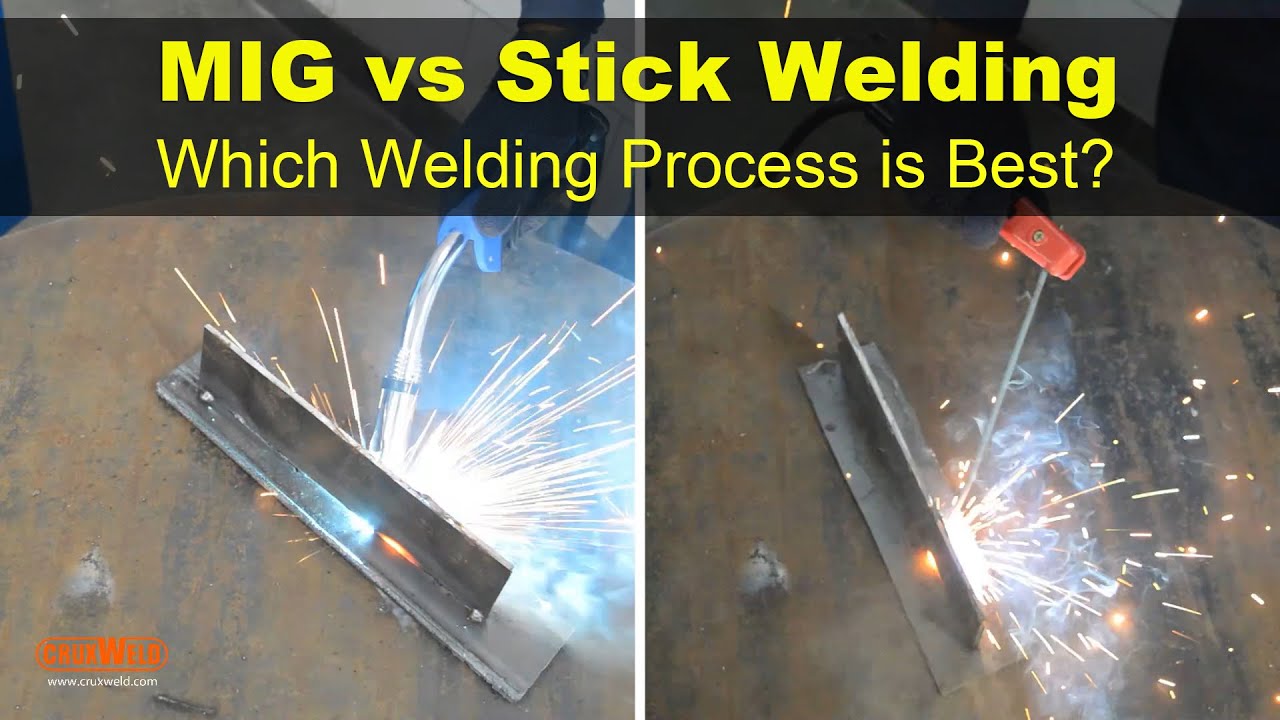
Difference Between Arc Welder And Mig Welder

Okay, let's talk welders. Not like, the really serious, "building bridges and skyscrapers" type. More like, the "I need to fix my busted lawnmower and not pay someone else" type. We're diving into the difference between arc welders and MIG welders, and I promise, it'll be less intimidating than parallel parking.
Think of welding like cooking. Both involve heat, metal, and the potential for spectacular failure. You wouldn't use the same tools to bake a cake as you would to grill a steak, right? Same deal with welding.
Arc Welding: The Old School Heavy Hitter
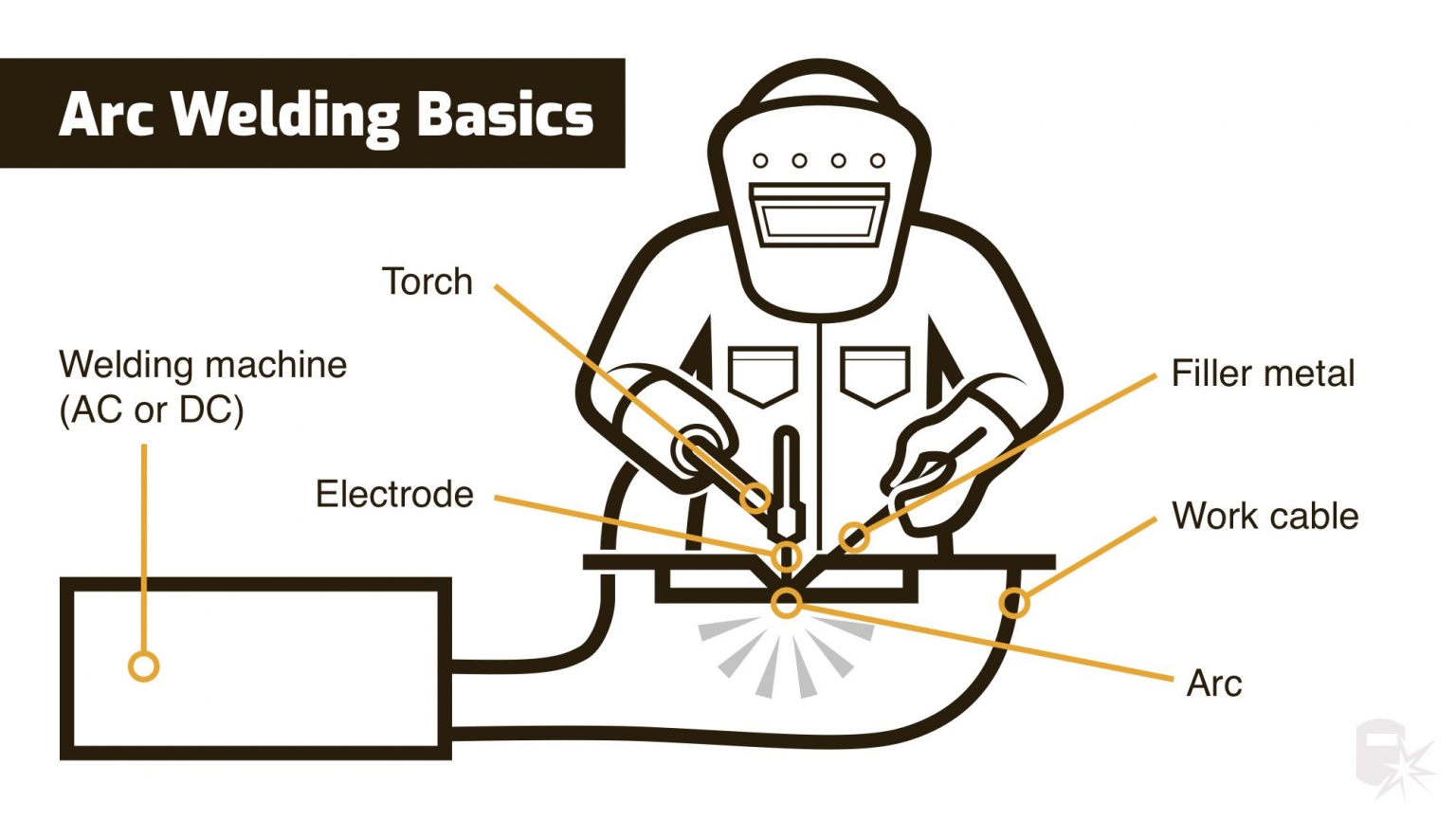
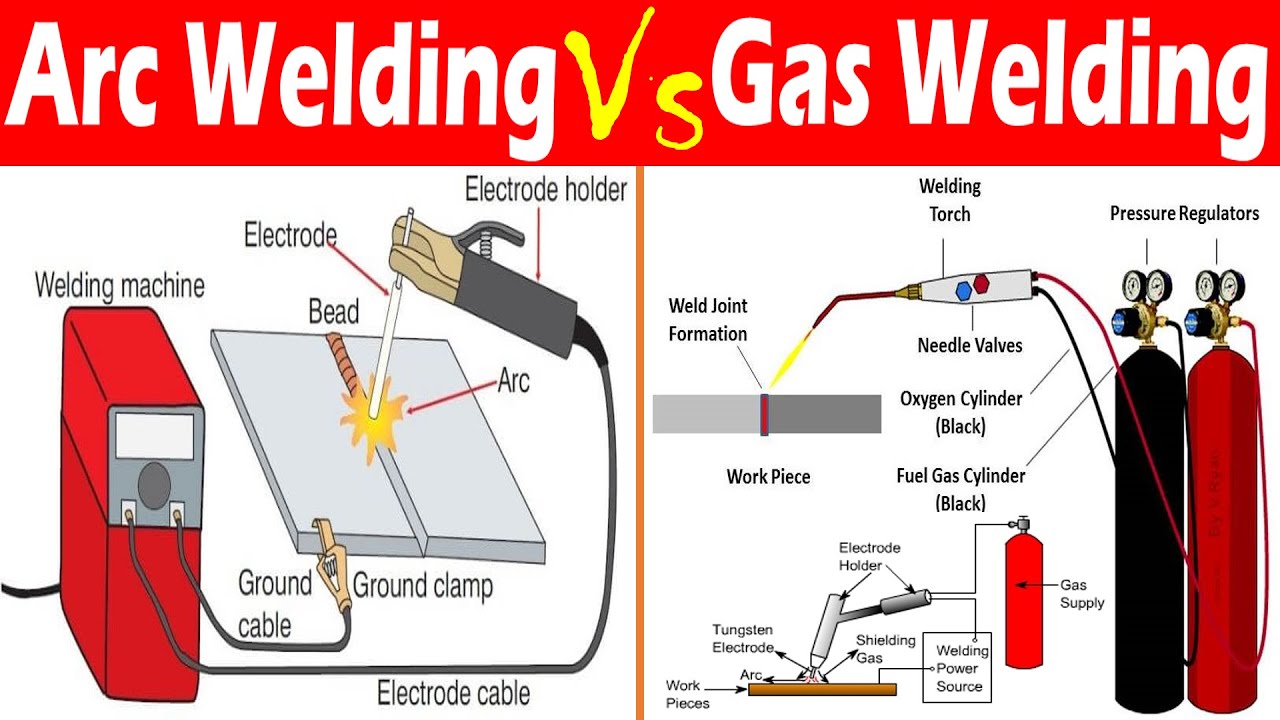
Arc welding, sometimes called stick welding (because you're using a "stick" electrode), is like that grumpy grandpa who can fix anything with duct tape and sheer willpower. It's been around forever, and it's still useful, just... a little rough around the edges. It's simple in concept: you use electricity to create an arc between a metal stick (the electrode) and the metal you're trying to weld. That arc melts both metals, fusing them together.
Must Read
Remember that time your rusty bike frame snapped in half? This is the welder that could probably fix it. But be warned, it's a bit of a messy affair. You'll need to change the electrode sticks frequently, and you'll end up with a layer of slag (basically, burnt-off flux) that you need to chip away. It's like making a delicious but incredibly messy batch of brownies. You'll need to clean up after.
Think of it this way: arc welding is like using a manual transmission in a car. You're more in control, but it takes more skill and coordination. The reward? You can tackle some tough jobs, especially outdoors where the wind might mess with other types of welding. Arc welding is robust and can handle dirty or rusty metals better than some other methods. It's also generally more affordable to get started with – you can find arc welders with budget-friendly prices. The downside? Prepare for a steeper learning curve and a bit of a workout from all that slag chipping.
MIG Welding: The User-Friendly Option
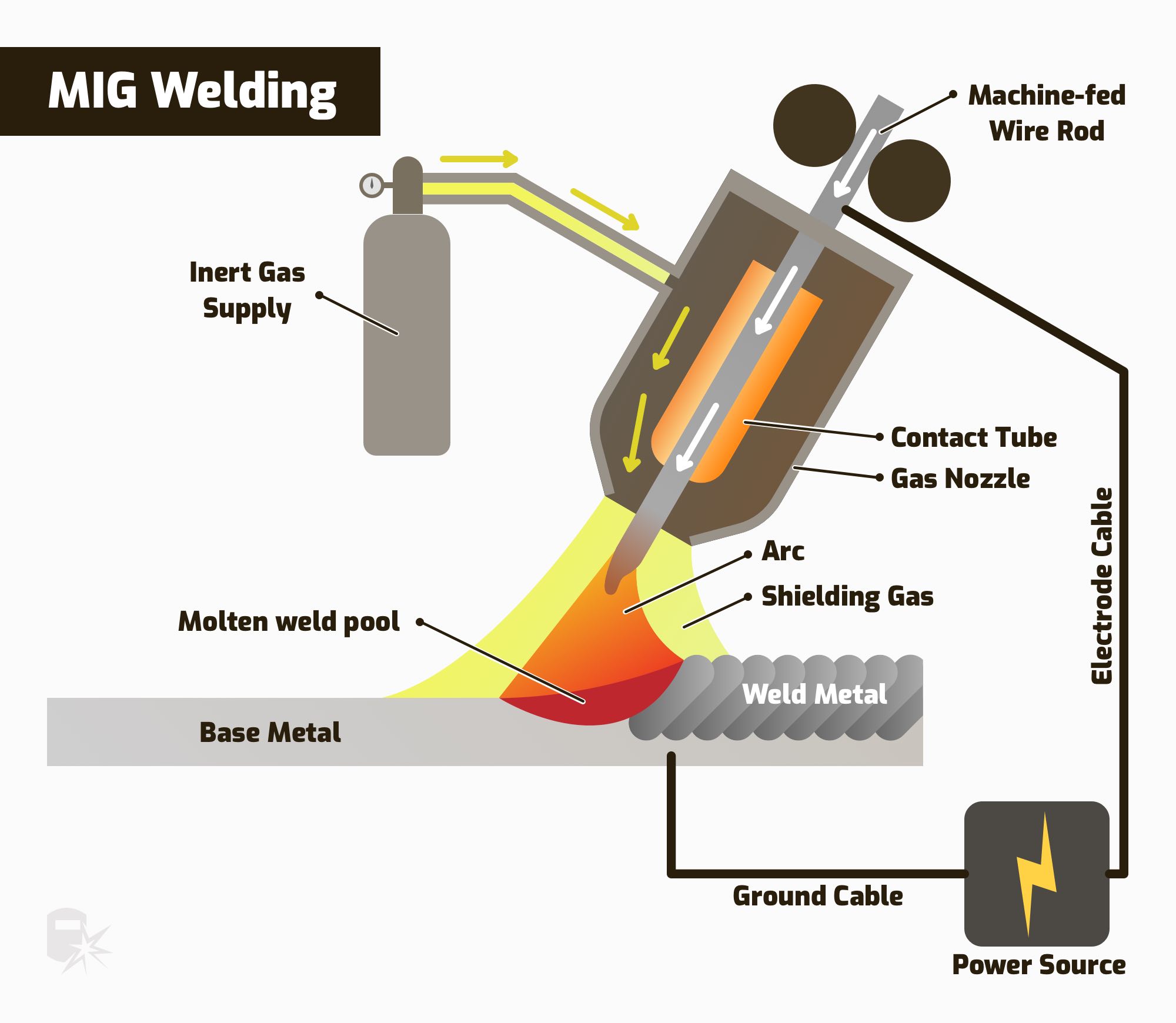
MIG (Metal Inert Gas) welding, on the other hand, is like that fancy new kitchen gadget that makes everything easier. It's more modern, cleaner, and generally more user-friendly. Instead of a stick electrode, it uses a continuous wire fed through a welding gun. An inert gas, like argon, shields the weld from the atmosphere, preventing contamination and creating a cleaner weld.
Imagine trying to spread butter on toast using a rusty knife versus a nice, smooth butter knife. MIG is like the butter knife. It produces a neater weld with less spatter and slag. I once tried to fix a metal garden chair with an arc welder, and it looked like a toddler attacked it with hot glue. With a MIG welder, I probably could have made it look almost professional.
MIG welding is like driving an automatic car. It's smoother, easier to learn, and allows you to focus more on the path ahead (i.e., the weld itself). This is perfect for thinner metals like car body panels or sheet metal. It's also much easier to get consistently good results, especially if you're a beginner. However, MIG welders tend to be more expensive upfront, and you need to have a supply of shielding gas on hand. Also, wind can blow the shielding gas away, making it less effective outdoors.
So, Which One is Right for You?
It really depends on your needs. Are you tackling heavy-duty projects and don't mind a bit of a learning curve? Or are you looking for something easier to learn and more versatile for lighter-duty work? It’s like choosing between a pickup truck (arc) and a sporty sedan (MIG).
Consider the materials you'll be welding, the environment you'll be working in, and your budget. And, most importantly, remember to wear proper safety gear – welding is cool, but safety is even cooler! Always use a welding helmet, gloves, and appropriate clothing to protect yourself from sparks, heat, and UV radiation. Because getting a sunburn from welding is a story you don’t want to tell.
In short:
- Arc Welding: Cheap to get started, good for thick, rusty materials, challenging to learn.
- MIG Welding: More expensive, cleaner welds, easier to learn, great for thinner materials.
Happy welding!