
Difference Between An Inverter And A Generator
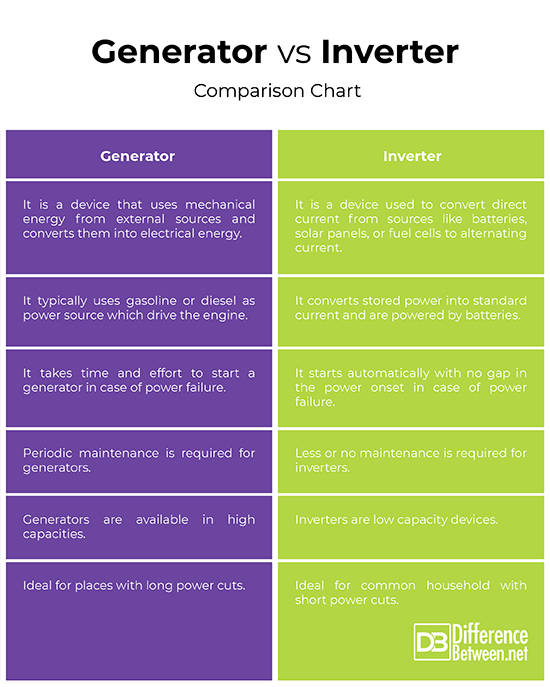
Ever been camping and heard that familiar "vrrrrrrmmmm" of a generator echoing through the trees? Or maybe you've seen those sleek, quiet boxes powering a food truck at a festival? Chances are, you've encountered both generators and inverters, but knowing the difference can be surprisingly helpful – and even a little amusing.
The Loud and Proud Generator: Your Reliable Old Pal
Think of a generator as your dependable, slightly grumpy, but ultimately helpful grandpa. It’s been around for ages, knows how to get the job done, and isn't afraid to make a little noise while doing it.
Essentially, a generator creates electricity by using a fuel-powered engine to spin a coil of wire inside a magnetic field. This spinning action generates AC (alternating current) electricity, the same kind that powers your house.
Must Read
Imagine grandpa's old record player. It needs a crank (the engine) to spin a disc (the coil) to produce music (electricity). He's a bit loud, but he gets the tunes playing!
Generators: The Workhorses
Generators are champions when it comes to powering multiple devices at once, especially appliances with high power needs, like refrigerators, power tools, or even entire homes during a blackout. They're like the ultimate potluck dish – reliable, filling, and can feed a crowd.
They're often more affordable upfront than inverters, making them a popular choice for construction sites, outdoor events, and emergency preparedness. But, be warned, they can be a bit thirsty, guzzling fuel like a marathon runner chugging water.
One slight drawback: the electricity a traditional generator produces isn't always the "cleanest." It can have voltage fluctuations, which might not be ideal for sensitive electronics like laptops or smartphones. Think of it like grandpa's record player skipping a beat every now and then.

The Sleek and Silent Inverter: The Tech-Savvy Cousin
Now, let's meet the inverter – the generator's quieter, more sophisticated cousin. Inverters are like the tech-savvy relatives who always have the latest gadgets and can troubleshoot any electronic problem.
Inverters actually start by creating AC electricity, just like a generator. But here's the magic: they then convert that AC power into DC (direct current) power, the kind used by batteries. Finally, they convert the DC power back into a super-stable, clean AC power.
Think of it as a translator. The inverter takes the generator's "raw" electricity, cleans it up, and presents it in a polished, user-friendly format for your delicate electronics.
Inverters: The Gentle Giants
The beauty of inverters lies in their ability to produce "clean" power, meaning the electricity is consistent and free from voltage spikes or dips. This makes them perfect for powering sensitive electronics without risking damage.
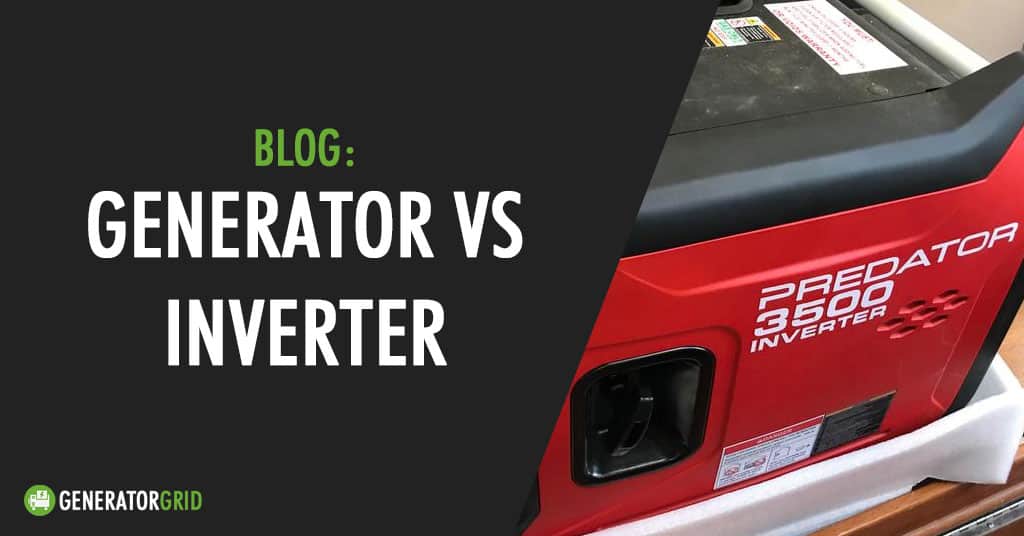
They are ideal for charging your phone, running your laptop, or keeping your camera gear humming. They're like the gentle giants of the power world, providing a steady and safe stream of energy.
Another bonus? Inverters are incredibly quiet. You can barely hear them running, making them a great choice for camping, tailgating, or any situation where you want to minimize noise pollution. Imagine a library that powers your party – that's the inverter!
They also tend to be more fuel-efficient than traditional generators, sipping fuel like a fine wine instead of gulping it down. This is especially true for inverter generators which can adjust the engine speed to match the load, using less fuel when less power is needed.
The Great Showdown: Generator vs. Inverter
So, which one should you choose? It really depends on your needs.
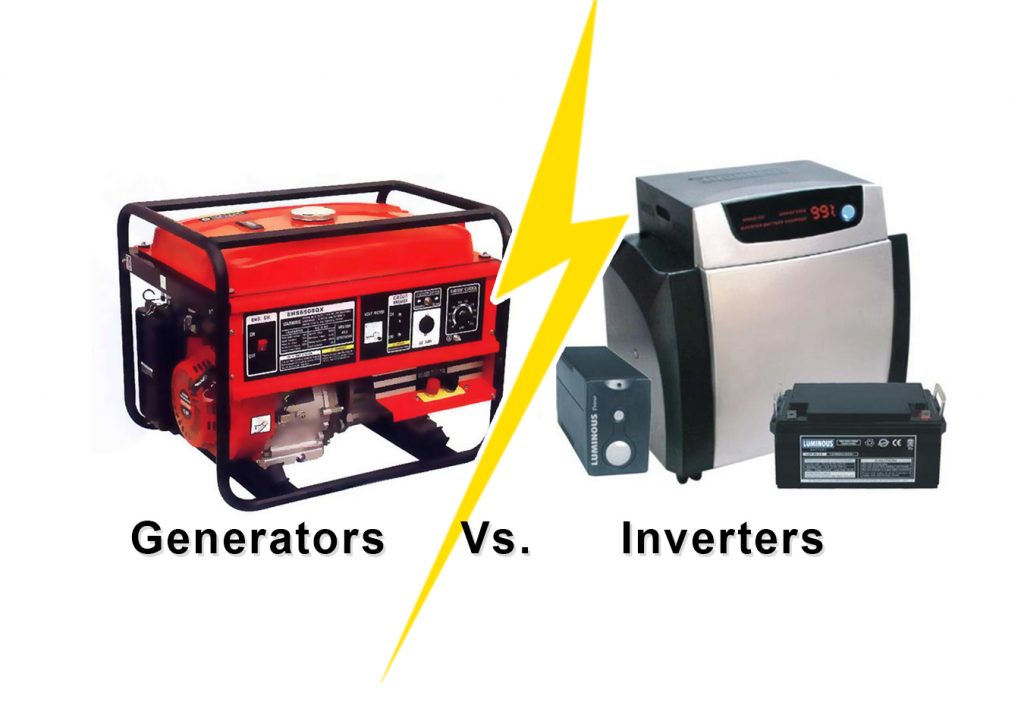
If you need raw power and aren't too concerned about noise or fuel efficiency, a generator might be your best bet. Think of powering a construction site, running a bounce house, or keeping your fridge running during a power outage.
But if you need clean, quiet power for sensitive electronics and are willing to pay a bit more upfront, an inverter is the way to go. Think of powering your campsite, running a food truck, or keeping your laptop charged during a road trip.
Here's a handy (and slightly silly) analogy: Imagine you're throwing a party. If you're having a wild dance party in a field, a generator is perfect. But if you're having a sophisticated cocktail party indoors, an inverter is the better choice.
A Heartwarming Tale of Power
There's a story that circulates among seasoned RVers about a couple who were stranded during a storm. Their generator sputtered and died, leaving them without power in the freezing cold.

Luckily, a fellow RVer with an inverter offered to share some power, just enough to keep their heater running and their phones charged. It wasn't about the technology; it was about human connection and kindness, powered by a simple (and quiet!) inverter.
This story highlights a crucial point: Whether you choose a generator or an inverter, both are ultimately tools that can enhance our lives and connect us with others. And sometimes, the quietest technology can make the loudest impact.
Fueling Our Lives, One Way or Another
Ultimately, both generators and inverters play vital roles in our modern lives, powering our homes, businesses, and adventures. They represent different approaches to solving the same problem: the need for electricity on demand.
So, the next time you hear the roar of a generator or the gentle hum of an inverter, remember that they're both working hard to keep our world running. And maybe, just maybe, appreciate the quiet sophistication of the inverter – and the dependable grit of the generator.