
Difference Between A Mig Welder And A Tig Welder
Alright, gather 'round, folks! Let's talk welding. Specifically, the age-old question that's plagued backyard mechanics and seasoned fabricators alike: what’s the darn difference between MIG and TIG welding? It's like trying to tell the difference between a chihuahua and a slightly larger chihuahua – at first glance, they both involve a lot of metal and sparks, but trust me, they're wildly different beasts.
Think of it this way: MIG welding is the dependable pickup truck of the welding world. It's your go-to for everyday tasks, maybe fixing a rusty gate or patching up your kid's go-kart after their latest Evel Knievel impression. It’s relatively easy to learn, pretty forgiving, and it gets the job done quickly. Think "point and shoot," but with molten metal.
TIG welding, on the other hand, is more like a finely tuned race car. Sleek, precise, and capable of incredible feats of engineering… but also requiring a steady hand, years of practice, and the patience of a saint. Mess it up, and you'll end up with a heap of expensive scrap metal and a bruised ego.
Must Read
MIG: The Metal Muncher
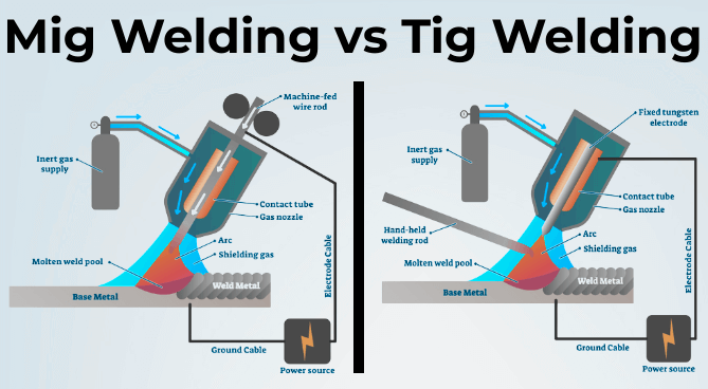
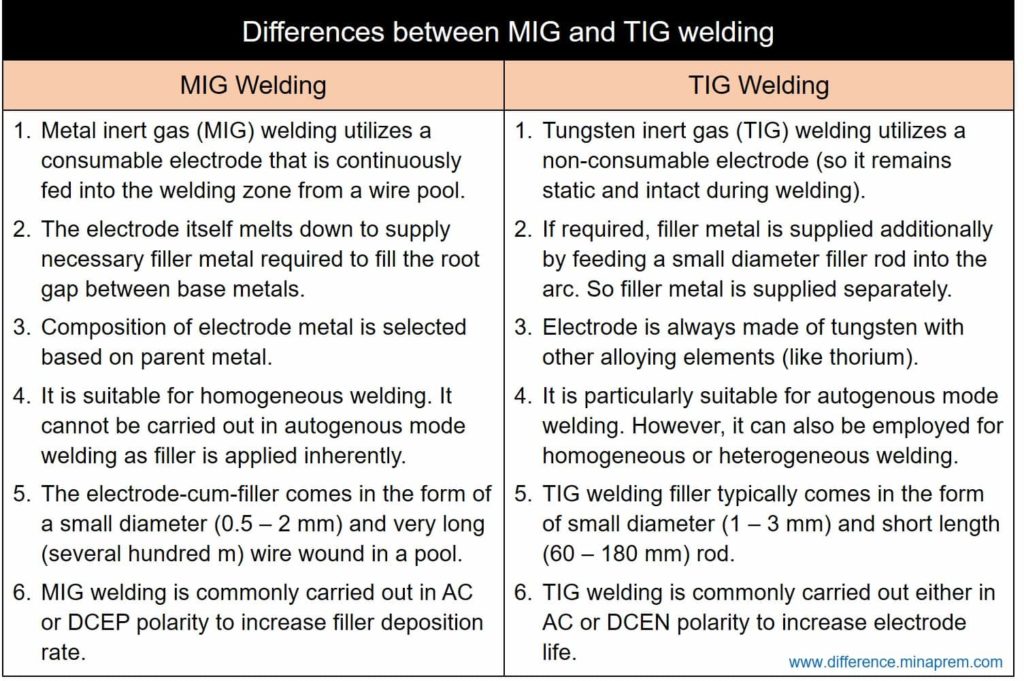
MIG, which stands for Metal Inert Gas, is all about speed and efficiency. It uses a continuously fed wire electrode that acts as both the filler metal and the heat source. Imagine a tiny, metal-hungry robot spitting out molten metal like it’s trying to win a hot dog eating contest.
The "inert gas" part is important. Typically, you're using a shield of argon or a mix of argon and carbon dioxide to protect the weld from contaminants in the air. Think of it as the bodyguard for your weld, keeping out the bad guys (like oxygen and nitrogen) that can weaken the final result. Because nobody wants a weak weld. That's just embarrassing.

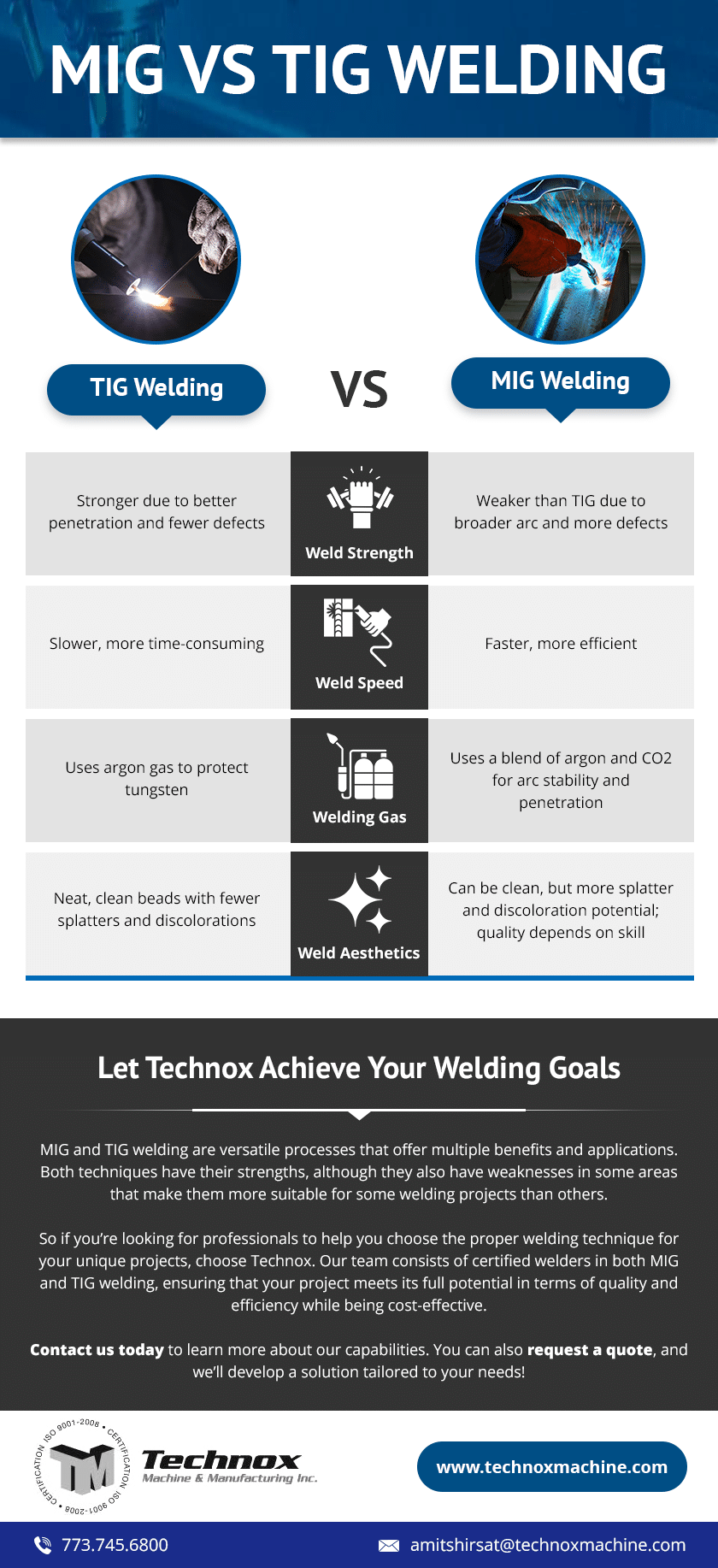
Biggest perk of MIG? It's fast. Like, really fast. You can lay down beads of weld like a caffeinated squirrel burying nuts for the winter. It’s also great for welding thicker materials and it's relatively forgiving of dirty or rusty surfaces. Which, let's be honest, is a blessing for those of us working on projects rescued from the scrap heap. Don't judge; one man's trash is another man's… slightly less trashy project!
Now, the downside. MIG welds, while strong, can be a bit… well, let's call them "visually interesting." They’re not known for their beauty. Think of it as functional art; nobody's going to hang it in a gallery, but it'll hold your fence together just fine.
TIG: The Artistic Alchemist
TIG, or Tungsten Inert Gas, is a whole different ballgame. It's also known as GTAW, or Gas Tungsten Arc Welding, but let's stick with TIG, shall we? It sounds cooler.
With TIG, you're using a non-consumable tungsten electrode (the "tungsten" part) to create the arc, and you feed in filler metal separately with your other hand. This is where the "artistic alchemist" part comes in. You're essentially hand-crafting the weld, precisely controlling the heat and the amount of filler material. It's like sculpting with molten metal.
The inert gas (usually argon) is still there, protecting your weld from the nasty contaminants. But the real magic is in the control. TIG gives you unparalleled control over the weld, allowing you to create incredibly precise and clean welds. We're talking museum-quality welds, folks! Okay, maybe not museum quality, but certainly Instagram-worthy.
However… all that control comes at a price. TIG welding is a slow and meticulous process. It requires serious skill, coordination, and a Zen-like calm. You'll need to master the foot pedal (to control the amperage), the torch (to direct the heat), and the filler rod (to add the metal). It's like patting your head, rubbing your stomach, and reciting the alphabet backwards, all while wearing a heavy helmet and being showered with sparks.
Another kicker? TIG welding is less forgiving of dirty or rusty surfaces. You need to clean your metal thoroughly before you even think about striking an arc. Think of it as preparing a canvas before you paint a masterpiece. You wouldn't start painting on a canvas covered in mud, would you?
So, Which One Should You Choose?
The answer, as with most things in life, is "it depends."
Choose MIG if:
![Tig and Mig Welding: The Real Differences Explained [PDF]](https://www.theengineerspost.com/wp-content/uploads/2018/12/Difference-Between-Tig-and-Mig-Welding.jpg)
- You need to weld something quickly and efficiently.
- You're working on thicker materials.
- You're a beginner looking for an easier welding process to learn.
- You don't need super-pretty welds.
Choose TIG if:
- You need incredibly precise and clean welds.
- You're working on thinner materials.
- You're willing to spend the time and effort to learn a more difficult process.
- You want your welds to look like works of art (or at least close to it).
Ultimately, the best way to decide is to try both. Take a welding class, experiment with different projects, and see which process feels right for you. Who knows, maybe you'll discover your inner metal artist… or at least learn how to fix that rusty gate without setting your garage on fire.
And remember, safety first! Always wear proper safety gear, including a welding helmet, gloves, and a fire-resistant jacket. Because looking cool is important, but not as important as keeping all your fingers and toes. Happy welding!