
Difference Between A Gas And Electric Dryer
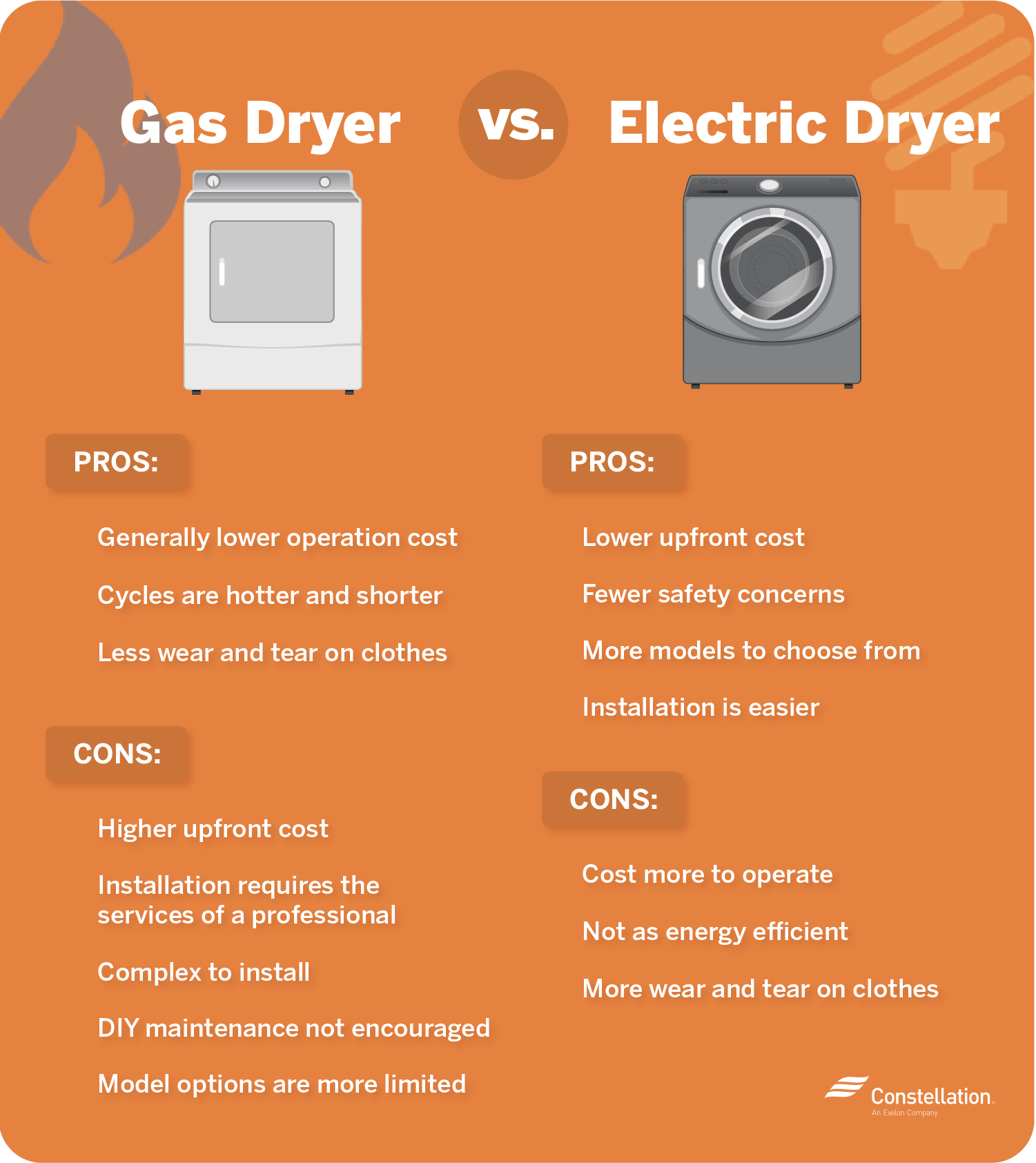
Ah, laundry. The never-ending cycle of washing, drying, folding (or, let’s be honest, sometimes just piling). But have you ever stopped to consider the unsung hero of the chore: the dryer? More specifically, the great debate: gas vs. electric?
It's a decision point that might seem about as thrilling as watching paint dry (pun intended!), but understanding the nuances can save you money, energy, and maybe even a little bit of sanity. Let's dive in, shall we? Think of this as your crash course in Dryerology 101, with a dash of Marie Kondo sprinkled in for good measure.
The Players: Gas vs. Electric – A Quick Rundown
At their core, both gas and electric dryers perform the same function: they tumble your wet clothes in heated air until they're dry enough to wear. But the way they generate that heat is where the magic (and the differences) lie.
Must Read
Electric Dryers: The Reliable Standard
Electric dryers use, you guessed it, electricity to power a heating element that warms the air circulating inside the drum. They are often the more common and readily available option. Installation is generally simpler, as you just need a standard 240-volt outlet. Think of them as the dependable sedan of the dryer world – not flashy, but gets you where you need to go.
Practical Tip: Check your breaker box to ensure you have a dedicated 240-volt circuit for your electric dryer. Overloading circuits is never a good look (or a safe practice!).

Gas Dryers: The Efficient Alternative
Gas dryers, on the other hand, use natural gas or propane to fuel a burner that heats the air. They require a gas line connection, which can make installation a bit more involved (and potentially require a professional). But, they often dry clothes faster and can be more energy-efficient in the long run if gas prices are lower than electricity prices in your area. Consider them the hybrid car – a bit more upfront investment, but potentially lower running costs.
Fun Fact: Did you know the first electric clothes dryer was patented in 1892? Talk about a blast from the past!
Head-to-Head: Key Differences
Let's break down the key factors to consider when making your dryer decision:
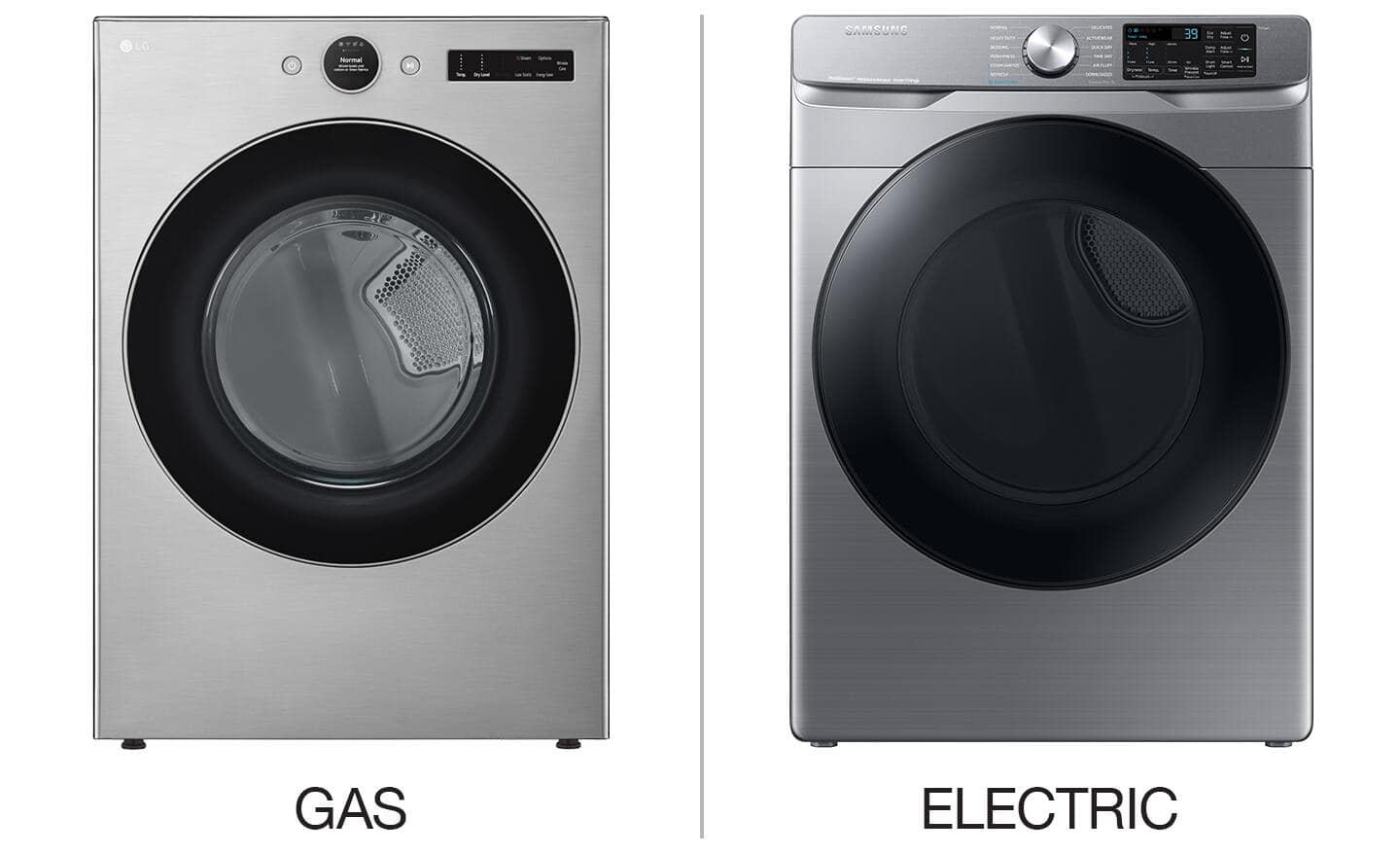
Making the Right Choice: Your Laundry Destiny
Ultimately, the best type of dryer for you depends on your individual circumstances. Consider your budget, your home's infrastructure, and your energy consumption habits. Don't be afraid to do some research and compare the models available to you. Check out Energy Star ratings to help gauge potential energy savings.
Consider this: If you are replacing an old appliance, check which hookups are already available. This can save you on installation costs. Also, consider features like moisture sensors, steam cycles (for wrinkle reduction!), and smart technology that can make your laundry routine even more efficient.
:max_bytes(150000):strip_icc()/gas-dryer-vs-electric-dryer-2146251_FINAL-5bbe54b846e0fb00511f28f4.png)
The Final Spin: Whether you choose gas or electric, remember that a well-maintained dryer is a happy dryer (and a happy laundry room). Clean the lint trap after every load, and periodically check the vent for blockages. A clean dryer is not only more efficient, but it's also safer.
Now, go forth and conquer your laundry! With a little knowledge and a whole lot of detergent, you'll be well on your way to dryer enlightenment.
And remember, laundry isn't just a chore, it's a metaphor for life. We all have messes to clean up, and sometimes we need a little help from a trusty appliance (and maybe a good playlist) to get the job done.
