
Difference Between A Cyclone And A Hurricane
Okay, let's talk about storms. Big, swirling, scary storms. Specifically, hurricanes and cyclones. Aren't they the same thing?
Well, technically, yes. But also, maybe not? It's all very…weather-y.
Same Storm, Different Names (Probably)
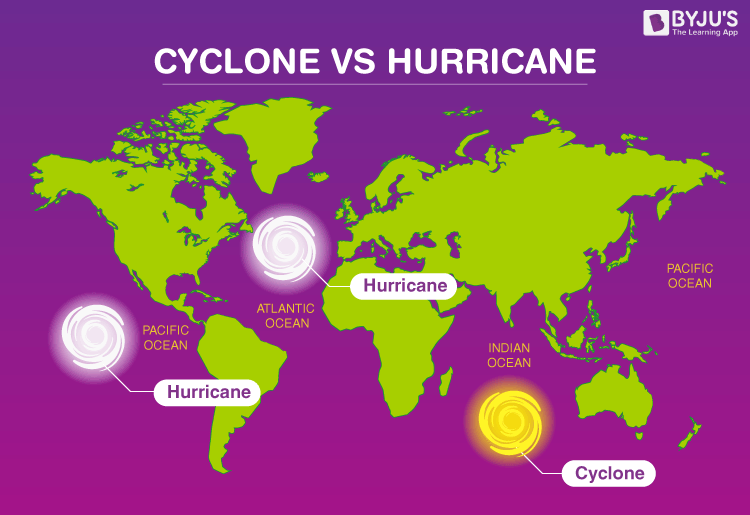
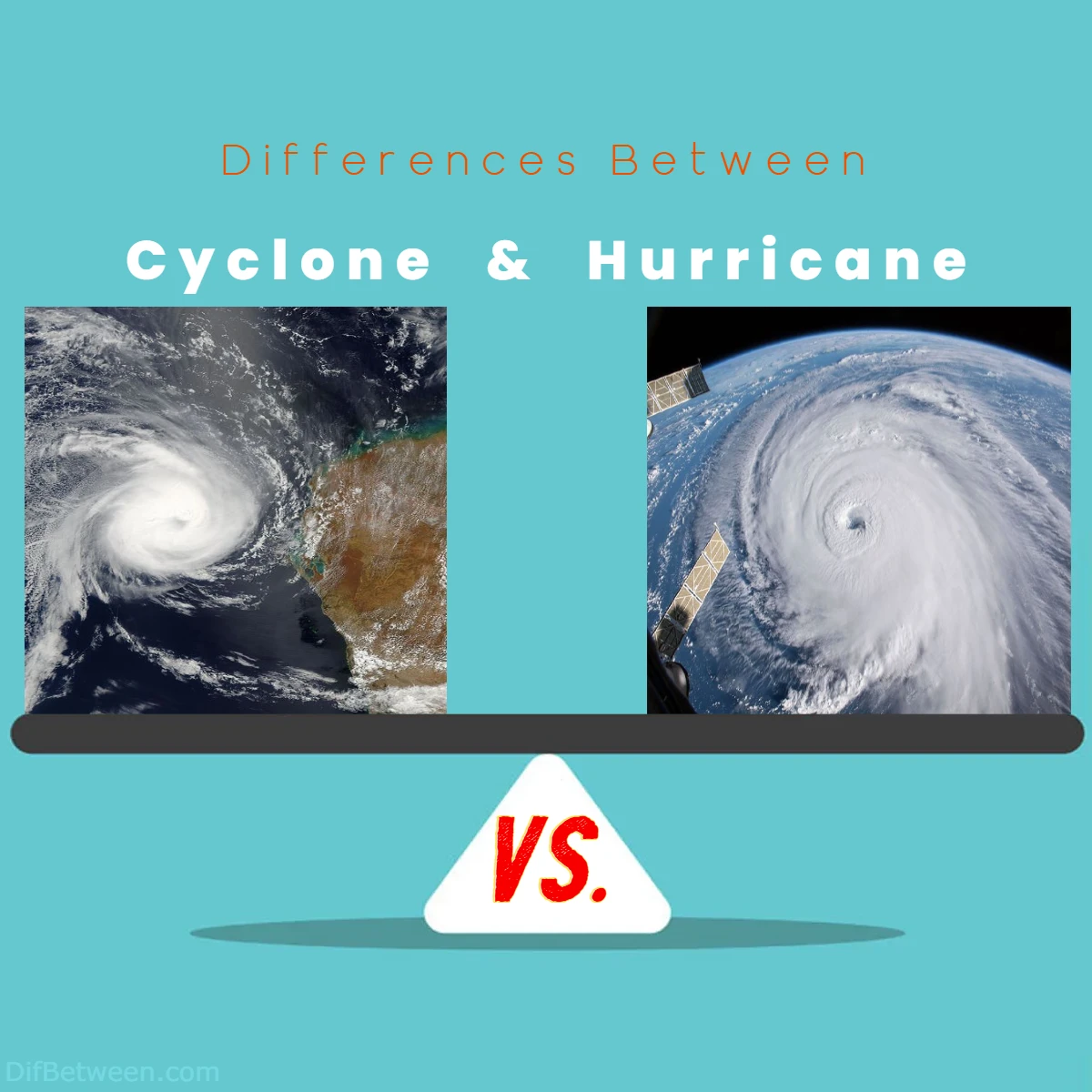
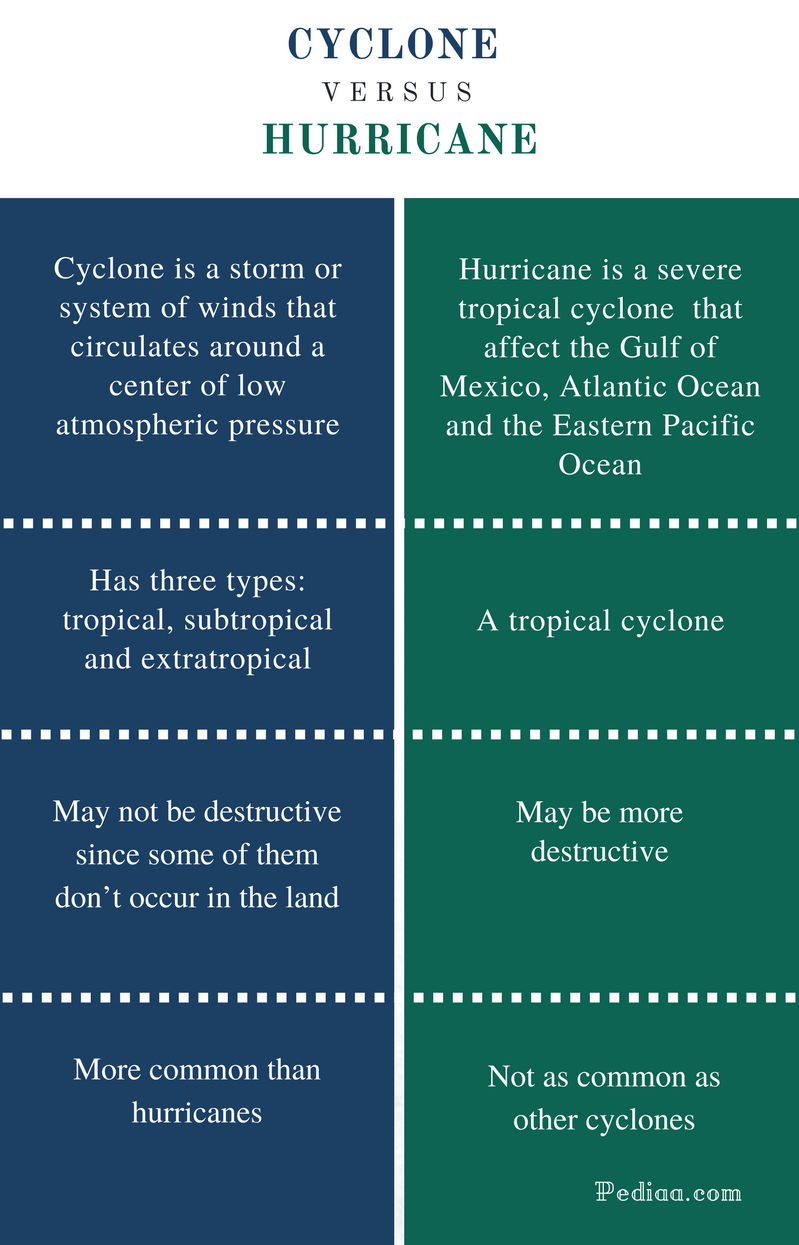
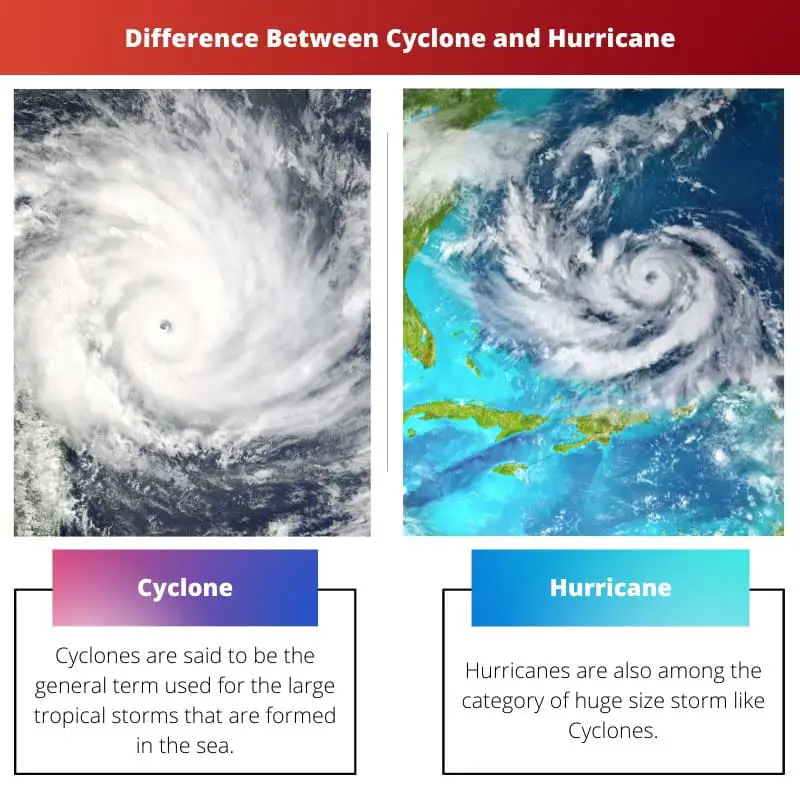
Here's the official line: A hurricane, a typhoon, and a cyclone are all the same type of tropical cyclone. They’re just called different names depending on where they happen.
Must Read
Think of it like this: it's all the same storm just with a different costume. It's like calling a soda "pop" in the Midwest, and "coke" in the South. Same fizzy sugar water, different local flavor.
But I have a sneaking suspicion that there is more to it. Here's my unpopular opinion that you should agree on.
Hurricane: The American Drama Queen
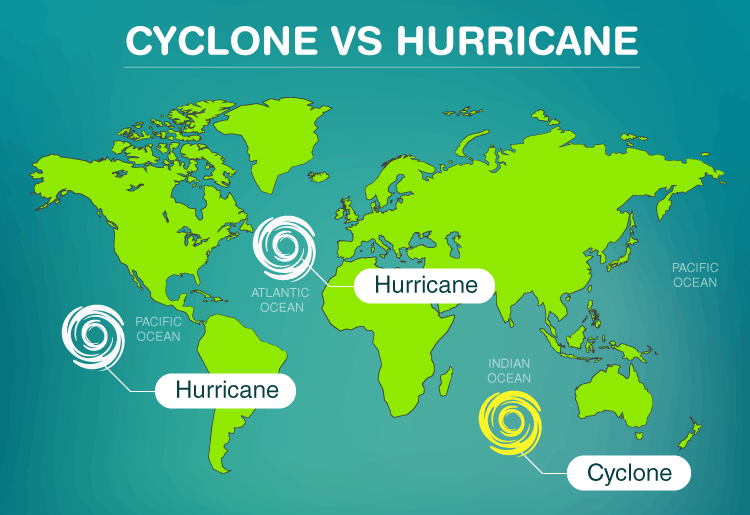
Hurricanes happen in the Atlantic and Northeastern Pacific. They're the ones that threaten Florida, the Caribbean, and sometimes even New York.
And let’s be honest, hurricanes feel like the divas of the storm world. They always have dramatic names like Hurricane Katrina or Hurricane Ian.
They also love making headlines. It's like they crave the spotlight, these weather divas.
Cyclone: The Strong, Silent Type
Cyclones, on the other hand, spin in the South Pacific and Indian Ocean. They bash Australia, India, and Madagascar.
Okay, I admit, cyclones can have pretty dramatic names too. I'm just waiting for a Cyclone Karen to make things interesting.
But there's something about the word "cyclone" that feels…sturdier. More dependable. They get the job done quietly.
Typhoon: The Far East Fury
And then there's the typhoon, which occurs in the Northwestern Pacific Ocean. It is known for impacting areas such as the Philippines, Japan, and China.
I think Typhoons are underappreciated, I would watch out if I was you.
Typhoons has the least mentions for obvious reasons. I am calling for justice for the Typhoons!
Here's My Unpopular Opinion (Brace Yourself)
I think hurricanes are just…weaker. Hear me out!
Maybe it's because we have better building codes and warning systems in the areas usually hit by hurricanes. Or maybe, just maybe, the cyclones are truly more powerful.
It could just be pure, unadulterated American exceptionalism. We can't admit that a storm somewhere else could be worse than ours!
The Science-y Stuff (Briefly)
Okay, okay, I know some people want the actual scientific explanation. Fine.
All these storms need warm ocean water (at least 80°F), moist air, and converging winds. The Coriolis effect (the Earth's rotation) makes them spin.
Once winds reach 74 mph, it's officially a hurricane, cyclone, or typhoon, depending on the location. Happy?
Does Size Matter?
You might be thinking, "But what about the size of the storm?" Does a bigger storm automatically mean it's more intense?
Not necessarily. The size of a tropical cyclone can vary greatly. Some are compact, while others can span hundreds of miles.
The intensity, which is determined by wind speed and central pressure, is the key factor in classifying and comparing these storms.
The Damage Done
Regardless of what you call them, these storms can cause immense damage. Flooding, high winds, and storm surges can devastate coastal communities.
Preparation is key. Having a plan, stocking up on supplies, and heeding evacuation orders can save lives.
Respect the power of nature, folks. Whether it's a hurricane, cyclone, or typhoon, these storms are not to be trifled with.
The Naming Game
Did you ever wonder how they come up with the names for these storms? It's actually a pretty organized process.
Each year, there are pre-determined lists of names for tropical cyclones in different regions. These lists rotate every six years, unless a storm is so devastating that its name is retired.
Imagine having your name retired because you caused so much chaos. That's some serious storm-level notoriety.
Mythbusting: Common Misconceptions
There are plenty of myths and misconceptions surrounding hurricanes and cyclones. Let's debunk a few of them.
Myth: Opening windows will equalize pressure and prevent damage. Fact: This is false and can actually make things worse.
Myth: Hurricanes only affect coastal areas. Fact: Inland flooding and strong winds can extend far inland.
My Final (Probably Incorrect) Conclusion
So, are hurricanes, cyclones, and typhoons all the same? Officially, yes.
But deep down, I still think cyclones are secretly tougher. Maybe they have better training. Maybe they just have more grit.
Whatever the reason, I'm sticking to my unpopular opinion. And you should too. Because why not?
A Call to Action (Kind Of)
Even if you think I'm completely wrong, let's all agree to be prepared. No matter where you live, extreme weather is becoming more common.
Have an emergency kit, know your evacuation routes, and stay informed. And maybe, just maybe, send some good vibes to those poor Australians facing the next cyclone.
Stay safe out there, folks! And remember, it's just weather… until it isn't.
The Weather Channel vs. Reality
Let's be real. The Weather Channel loves a good hurricane. It's ratings gold!
They send their reporters to stand on beaches in the middle of the storm, battling the wind and rain. It's pure theater!
Meanwhile, the poor folks dealing with cyclones are probably just trying to survive without a camera crew in their face. Perspective, people!
Blame it on La Niña?
Ever heard of La Niña or El Niño? These are climate patterns that can influence the frequency and intensity of tropical cyclones.
La Niña typically leads to a more active hurricane season in the Atlantic. El Niño, on the other hand, tends to suppress hurricane activity.
So, if you want to blame something for all these storms, you can always point your finger at these climate patterns. They're easy targets.
The Future of Storms (Probably Scary)
Climate change is expected to intensify tropical cyclones in the future. Warmer ocean temperatures will provide more fuel for these storms.
Sea levels are also rising, which means storm surges will be even more devastating. It's a grim picture, to be honest.
But hey, at least we'll have plenty of exciting weather to talk about! (Just kidding. Sort of.)
In Conclusion (Again!)
So, there you have it: my slightly biased, somewhat humorous, and probably inaccurate take on the hurricane vs. cyclone debate.
Whether you agree with me or think I'm completely nuts, I hope you learned something. Or at least got a chuckle out of it.
Now go forth and impress your friends with your newfound knowledge of tropical cyclones! And remember, always be prepared for whatever Mother Nature throws your way. Even if it's a grumpy, super-powered cyclone.