Difference Between 3phase And Single Phase Power

Okay, let's talk electricity. It's kind of a big deal, right? Powers our phones, our toasters, and even those fancy self-driving vacuum cleaners that are probably judging our messy floors. But have you ever stopped to think about how electricity gets to your stuff? Probably not. And honestly, that's okay. Until now! Because we're diving into the thrilling world of single-phase versus three-phase power.
The Single Life: Simple and Sweet
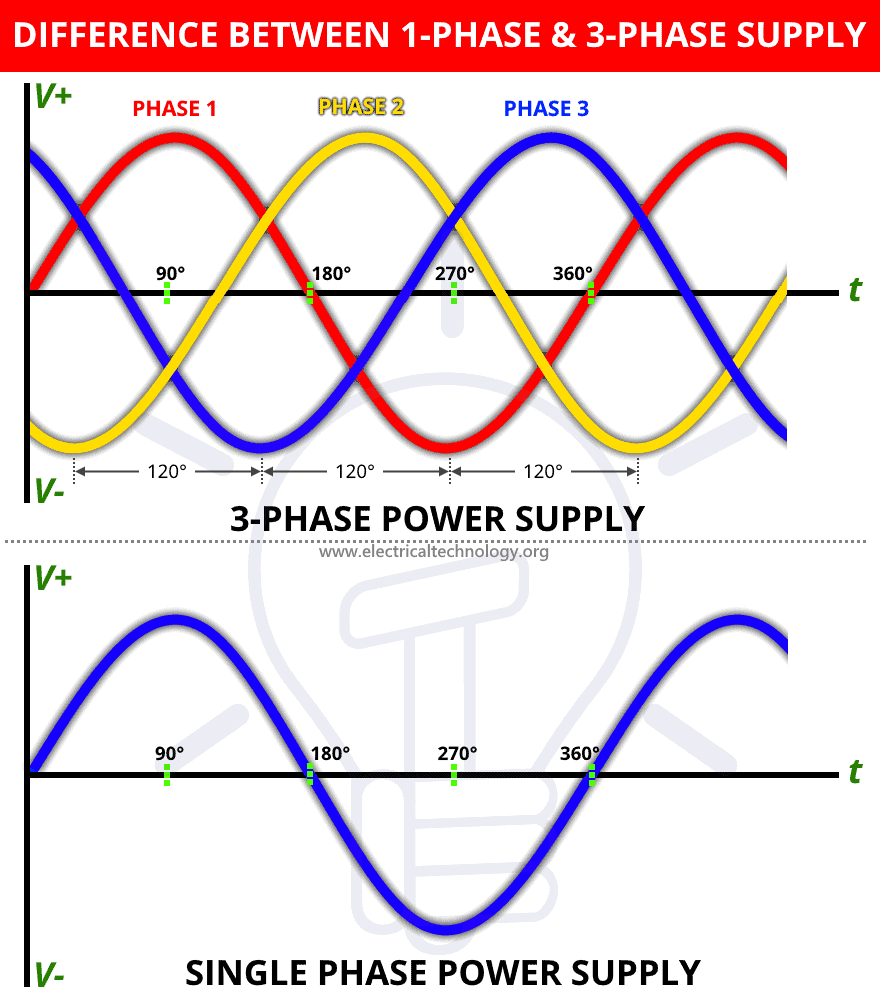
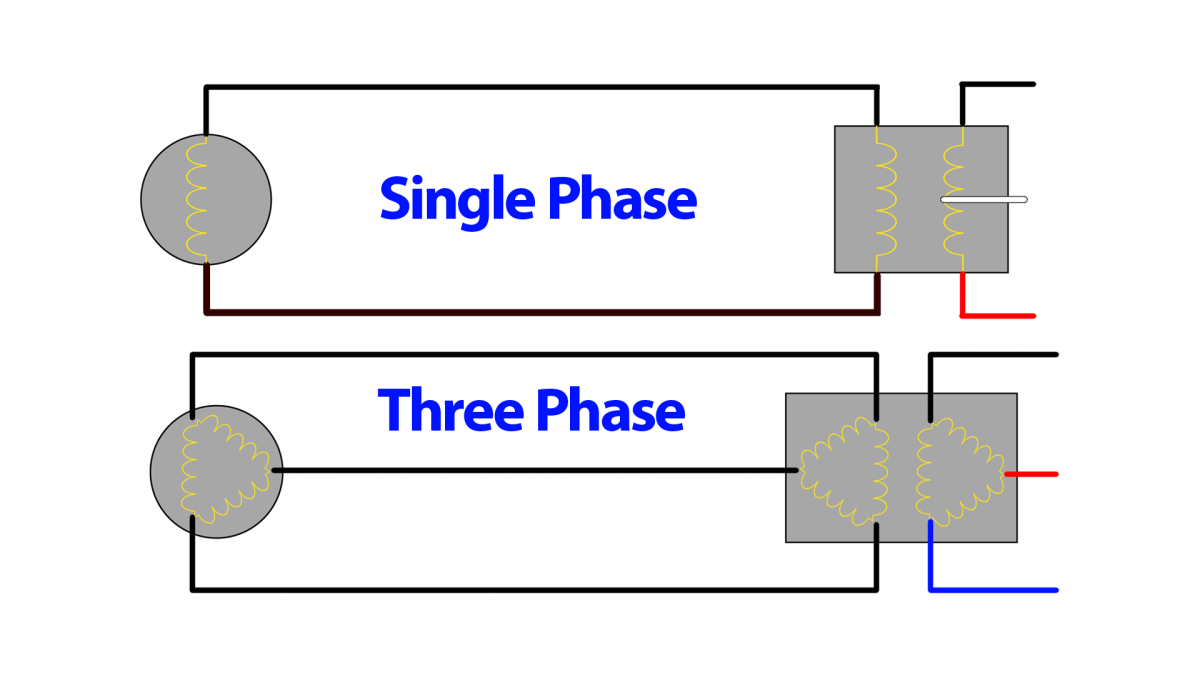
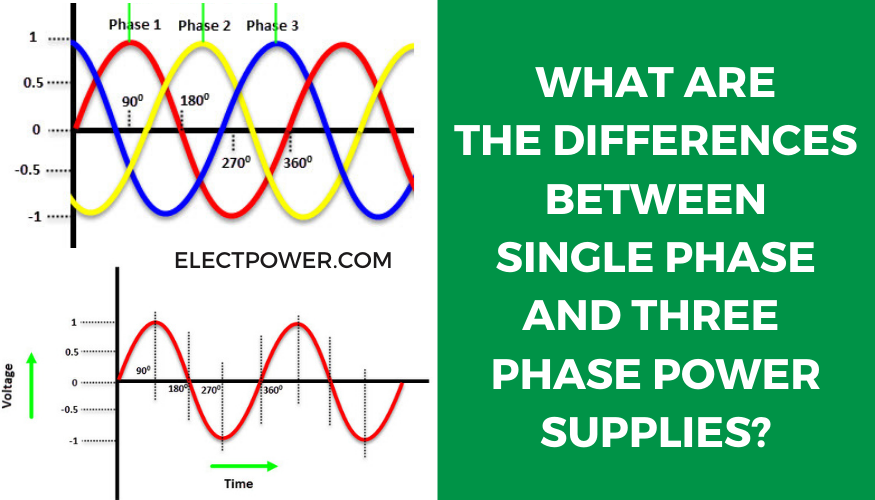
Think of single-phase power like that friend who's always chill and uncomplicated. It's the electricity you usually find in your home. It’s the bread and butter of most households. You plug in your lamp, your phone charger, your questionable late-night online purchases. Single-phase handles it all (mostly). It's like one strong, steady push getting the job done. Pretty straightforward, right?
But here’s my unpopular opinion: single-phase is a bit…lazy. It does the job, sure. But sometimes, it just feels like it's dragging its feet. Like when your microwave takes forever to heat up your leftovers. Or when your hairdryer sounds like it's about to give up the ghost. That's single-phase struggling! It’s like asking a toddler to move a refrigerator.
Must Read
It's perfectly fine for smaller appliances and lighting. But when you start needing some serious oomph, things get a little… strained.
Three's a Crowd? Nah, It's Power!
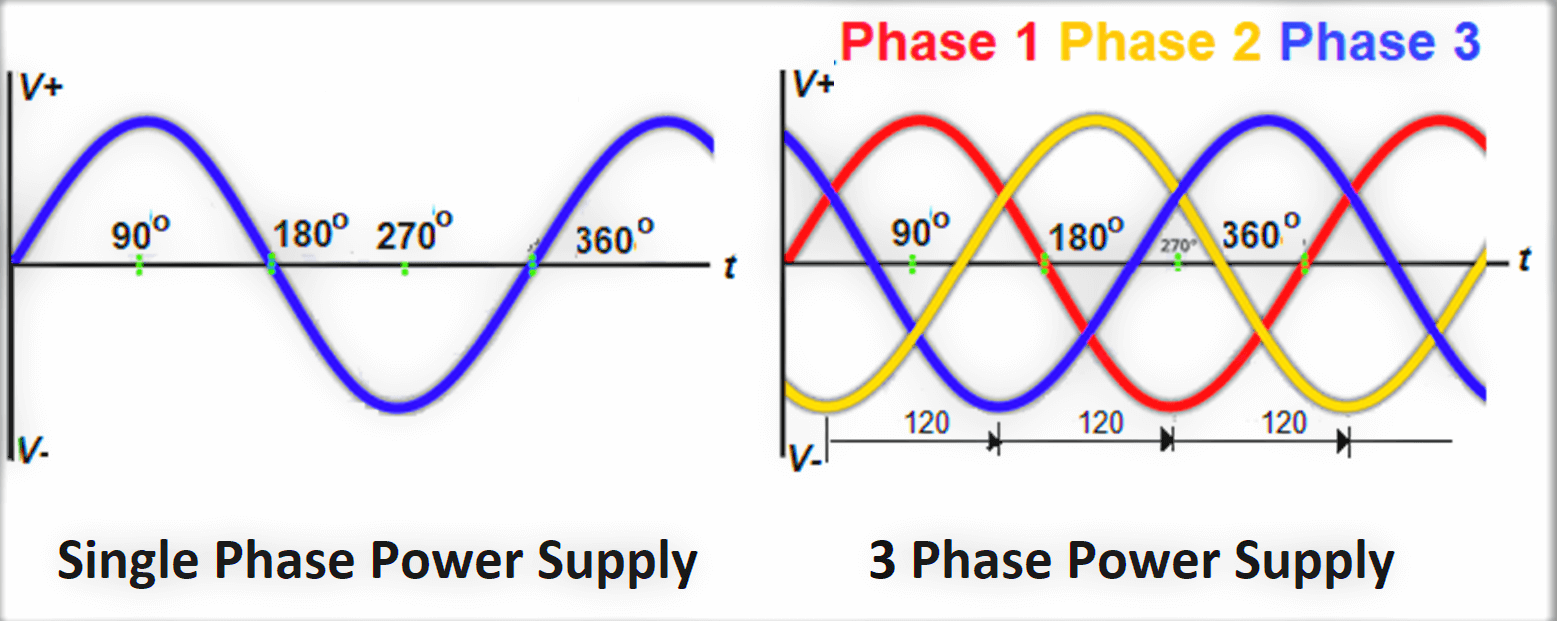
Now, enter three-phase power. Imagine three of those "single" electrical pushes happening at slightly different times, all working together. It's like a perfectly synchronized team of electrical athletes. Or maybe a well-oiled (and electrified) machine. This system provides a much smoother, more consistent flow of power. Think of it like rowing a boat with three synchronized rowers instead of one struggling solo sailor. Big difference!
You probably won't find three-phase in your average apartment. It's more common in industrial settings, factories, and big office buildings. Places where they need to power giant machines and keep the lights on for hundreds of workers simultaneously. Think of powering a massive laser cutter or a whole server farm. That’s where three-phase shines. Or, you know, sparks.
Here’s where my unpopular opinion REALLY kicks in: Three-phase is the unsung hero of modern life. We take it for granted, but it’s quietly powering the world around us. Without it, a whole lot of stuff would just…stop. No more efficient manufacturing. No more super-fast data processing. No more industrial-strength blenders (you know, for those REALLY big smoothies). It's the Batman of electricity, working tirelessly in the shadows.
The Verdict: It's All About the Job
So, which is better? Well, it depends. For your home, single-phase is usually perfectly adequate. It's the dependable minivan of electricity. But for heavy-duty tasks, three-phase is the only way to go. It's the powerful pickup truck that can haul anything. It's designed for heavy workloads. So there isn’t really a competition.
The important thing to remember is that both single-phase and three-phase power have their place. They're both essential in their own way. It’s like comparing a bicycle to a jet airplane. Both get you from point A to point B, but one is significantly more intense and optimized for larger tasks. One just looks cooler. (Hint: it's probably three-phase.)
Ultimately, unless you're planning on building a robot army in your garage, you probably don't need to worry too much about the difference between single-phase and three-phase power. But hey, now you know! And knowledge is power. (Pun intended, obviously.)
"Electricity is really just organized lightning." - George Carlin (probably not, but it sounds like something he'd say)
Now go forth and impress your friends with your newfound electrical wisdom. Just don't try to rewire anything yourself. Leave that to the professionals. Seriously.